How Teen Athletes Can Build Muscles with Protein
Discover optimal protein strategies for teen athletes to build muscle, enhance performance, and support growth through balanced nutrition.
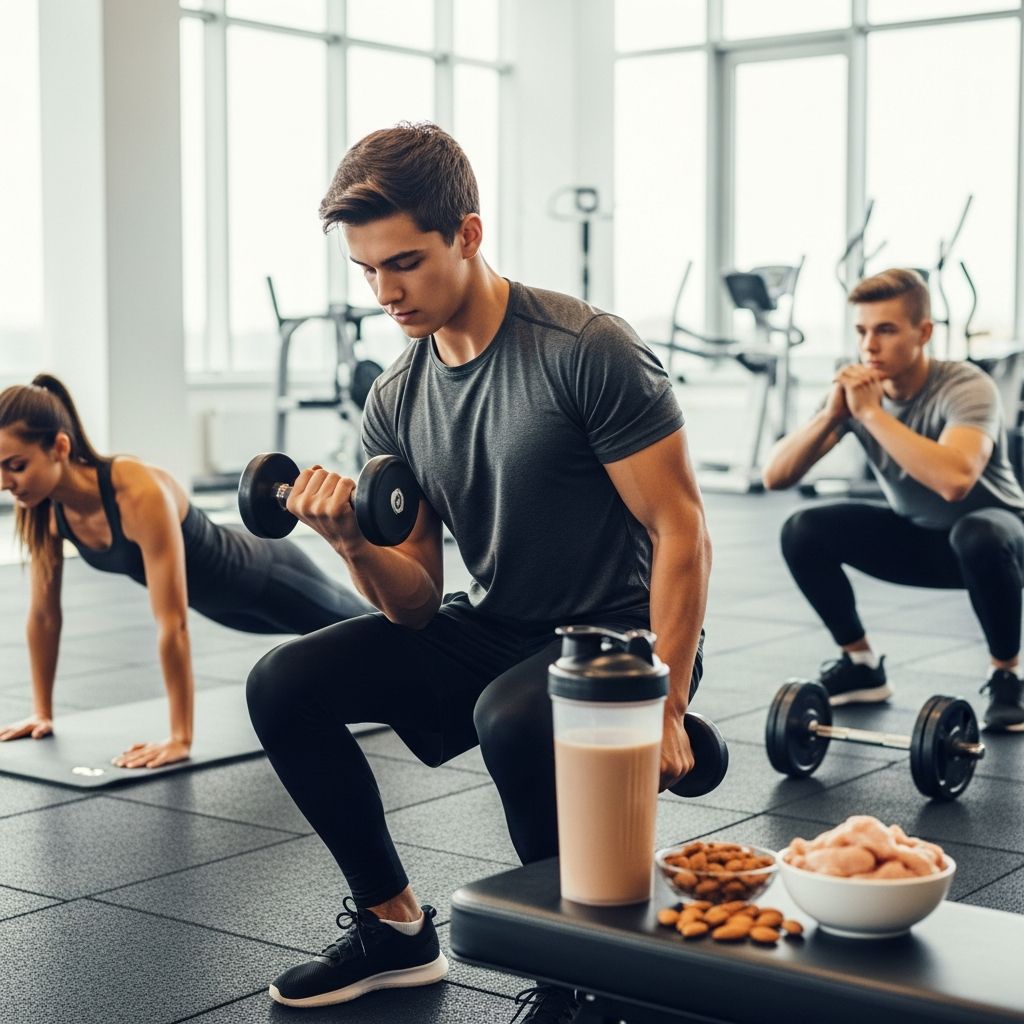
Protein is a cornerstone nutrient for teen athletes aiming to build muscle, support growth, and optimize athletic performance. By consuming the right amount from whole food sources, distributed evenly throughout the day, young athletes can maximize muscle repair and development without excess or supplements.
Strike a Balance
Building muscle requires more than just protein; it demands a balanced approach to nutrition. Excess protein beyond the body’s needs converts to stored fat if overall calories exceed requirements, while insufficient intake risks muscle breakdown as the body sources protein from existing tissues. A diet rich in sufficient calories, particularly from carbohydrates, ensures protein is spared for muscle synthesis rather than energy production.
For teen athletes, this balance supports not only muscle growth but also energy for intense training sessions, recovery, and overall development during puberty’s growth spurts. Carbohydrates fuel workouts, allowing protein to focus on repair and hypertrophy (muscle growth). Research emphasizes that total energy intake from varied macronutrients—proteins, carbs, and fats—is crucial for maximizing protein’s muscle-building effects.
Teen athletes often train rigorously, increasing demands on their bodies. However, overloading on protein doesn’t accelerate gains; instead, it can displace other vital nutrients. Aim for protein contributing 10-30% of daily calories, paired with complex carbs like whole grains and fruits for sustained energy. This holistic strategy prevents deficiencies and promotes sustainable performance.
How Much Protein Is Enough?
Protein requirements for teen athletes exceed those of sedentary peers but remain moderate. The Recommended Dietary Allowance (RDA) sets baselines at 46 grams per day for teenage girls and 52 grams for boys, though athletes need slightly more based on body weight, age, sex, and training intensity.
A practical guideline is 0.7 grams of protein per pound of body weight daily (or 1.6 grams per kilogram), aiding recovery and muscle rebuilding. For a 100-pound athlete, this equates to 70 grams; for 150 pounds, 105 grams. Guidelines from sports nutrition experts confirm 0.8-1.2 grams per kg for health maintenance, rising to 1.2-1.8 grams per kg for performance in youth athletes, primarily from whole foods.
| Food Source | Serving Size | Protein (grams) |
|---|---|---|
| Greek Yogurt | 1 cup | 12-14 |
| Tofu, firm | ½ cup | 8-11 |
| Milk | 1 cup | 8 |
| Beans | ½ cup | 7-9 |
| Nut Butters (peanut, almond, soy) | 2 tbsp | 7-8 |
| Cheese | 1 oz | 5-7 |
| Nuts | 1 oz | 3-6 |
| Egg | 1 large | 6 |
| Quinoa, cooked | ½ cup | 4 |
Contrary to myths, mega-doses don’t build extra muscle—excess is used for energy or stored. Timing matters: divide intake evenly across 4-6 meals/snacks for optimal muscle protein synthesis. Post-workout, 20 grams of high-quality protein helps maintain positive balance.
For context, a 130-pound teen athlete might target 59-88 grams daily (0.8-1.2 g/kg equivalent). Strength trainees may edge toward 1.2-1.7 g/kg, but never exceed 2 g/kg to avoid waste. Ages 11-14 need ~0.5 g/lb; 15-18 slightly less as RDA adjusts.
Prioritize Food Over Supplements
Whole foods should be the primary protein source for teen athletes, providing essential vitamins, minerals, and fiber absent in powders or shakes. Most needs are met by including protein-rich foods at every meal and snack—no supplements required.
Supplements like protein powders appeal to busy teens but lack evidence for superiority over food. They may help if intake falls short due to high training volumes or poor appetite, but caution is advised: excess can strain kidneys or lead to imbalances. Prioritize lean meats, dairy, eggs, legumes, nuts, and grains.
- Breakfast: Greek yogurt with nuts and fruit (15-20g protein).
- Lunch: Turkey sandwich on whole grain with cheese (25g).
- Snack: Apple with peanut butter (8g).
- Dinner: Grilled chicken, quinoa, veggies (30g).
- Post-workout: Milk or eggs (8-12g).
This sample day totals ~90g for a mid-sized teen, spread evenly. Experts like registered dietitians stress whole foods for complete nutrition, warning against supplement reliance which doesn’t outperform diet for speed, strength, or hypertrophy.
Vegetarian or vegan athletes can thrive with tofu, beans, quinoa, and fortified dairy alternatives. Consult a sports dietitian for personalized plans, especially if growth or performance plateaus.
Frequently Asked Questions (FAQs)
Q: How much protein does a teen athlete really need daily?
A: Aim for 0.7g per pound of body weight (1.6g/kg), e.g., 70g for 100lbs. RDA is 46g girls/52g boys, but athletes adjust up slightly via food.
Q: Does more protein mean bigger muscles for teens?
A: No—exercise drives growth; excess protein becomes fat or energy if calories surplus. Balance with carbs is key.
Q: When is the best time to eat protein?
A: Spread evenly over 4-6 meals/snacks; 20g post-exercise optimizes recovery.
Q: Are protein shakes necessary for teen athletes?
A: Rarely—whole foods suffice. Use only if diet gaps exist, under guidance.
Q: Can vegetarians meet protein needs?
A: Yes, via beans, tofu, nuts, quinoa, dairy/eggs. Combine for complete proteins.
Q: What if I’m training harder—do I need more protein?
A: No, stick to 0.7g/lb if energy needs met; focus on total calories.
This FAQ addresses common concerns, empowering teen athletes and parents with evidence-based advice for nutrition success.
References
- How Teen Athletes Can Build Muscles with Protein — Academy of Nutrition and Dietetics. 2023. https://www.eatright.org/health/essential-nutrients/protein/how-teen-athletes-can-build-muscles-with-protein
- Nutrition: Do You Know the Latest Guidance on Protein for Young Athletes — USA Lacrosse. 2023. https://www.usalacrosse.com/news-media-blog/nutrition-do-you-know-latest-guidance-protein-young-athletes
- 3 Things Young Athletes Need to Know About Protein — UNC Health Talk. 2023. https://healthtalk.unchealthcare.org/3-things-young-athletes-need-to-know-about-protein/
- Nutritional Considerations for Performance in Young Athletes — PMC (NCBI). 2015-08-18. https://pmc.ncbi.nlm.nih.gov/articles/PMC4590906/
- Protein for the Teen Athlete — American Academy of Pediatrics (HealthyChildren.org). 2023. https://www.healthychildren.org/English/ages-stages/teen/nutrition/Pages/Protein-for-the-Teen-Athlete.aspx
Similar Articles




Read full bio of Sneha Tete