How The Seasons Affect Your Asthma: Year-Round Management Guide
Discover how winter cold, summer pollen, and other seasonal changes trigger asthma symptoms and learn effective management strategies.
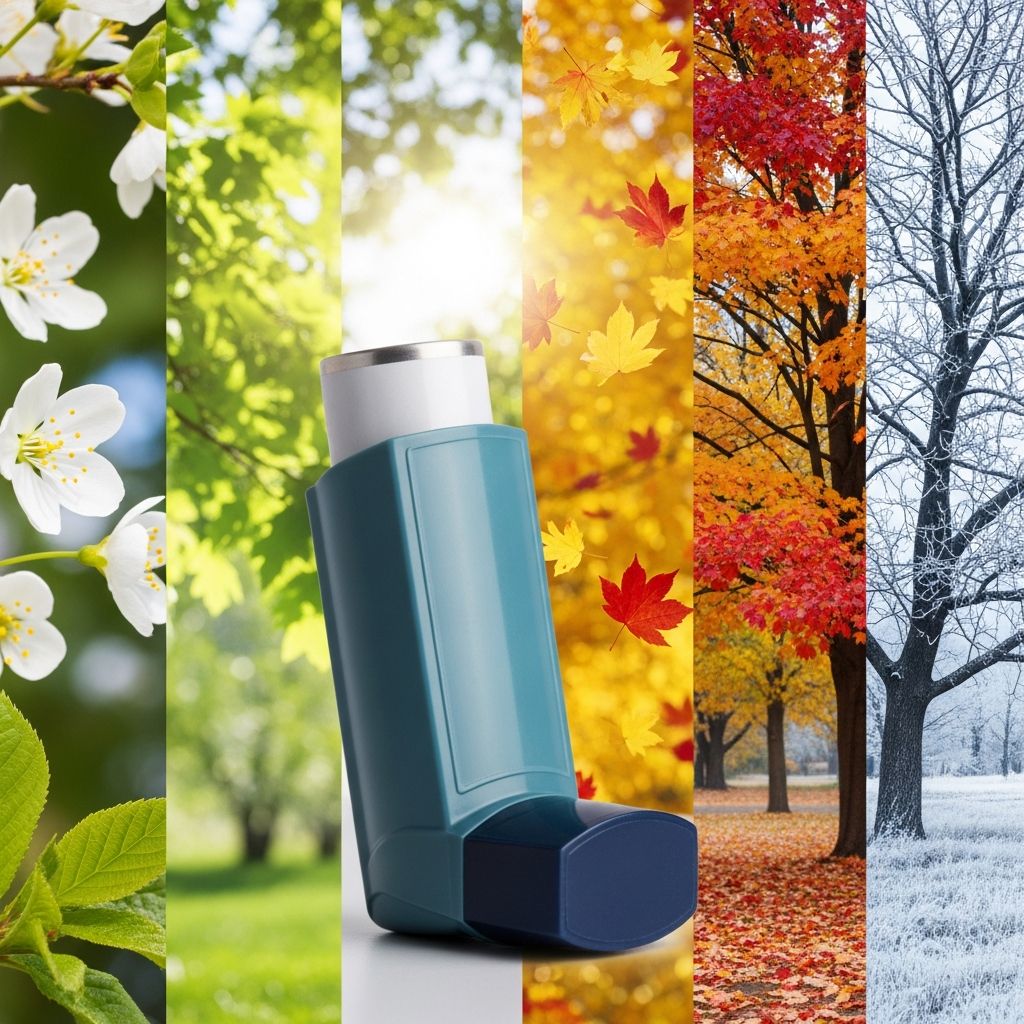
Asthma symptoms often follow seasonal patterns, with cold winter air, spring pollens, summer humidity, and autumn allergens triggering exacerbations. Understanding these influences helps in proactive management to maintain control throughout the year.
Winter Asthma
Winter poses significant challenges for people with asthma due to cold, dry air and increased respiratory infections. Hospital admissions for asthma peak during December and January, the deadliest months for asthma-related issues. Cold air irritates airways, causing them to tighten and produce excess mucus as a protective response, which can lead to wheezing and shortness of breath.
Respiratory viruses like flu and colds are rampant in winter, inflaming airways and exacerbating symptoms. Indoor time increases exposure to dust mites, pet dander, and mold in poorly ventilated homes. Studies in regions like Sudan show harmattan season—a dry, dusty winter period with temperatures below 20°C—linked to the highest exacerbation rates, with peaks in February and December.
Key winter triggers include:
- Cold, dry air causing airway constriction.
- Viral infections like flu boosting mucus production.
- Indoor allergens thriving in heated, closed spaces.
- Wood smoke from fireplaces irritating lungs.
Winter Management Tips
Wear a scarf over your mouth to warm inhaled air. Use a humidifier to combat dry air, but clean it regularly to prevent mold. Get annual flu shots and practice hand hygiene to avoid infections. Review your asthma action plan with your doctor; if reliever inhaler use exceeds a few times monthly, seek an asthma review.
Spring Asthma
Spring brings tree pollen surges, starting seasons earlier due to climate change—now 20 days earlier, 10 days longer, with 21% more pollen than in 1990. This extends suffering for allergy-asthma sufferers, with symptoms like wheezing, coughing, and chest tightness worsening.
Pollen particles easily inhaled trigger inflammation in sensitive airways. Combined with fluctuating temperatures, spring challenges asthma control, especially for children showing signs like nighttime coughs or exercise-induced wheeze.
Spring action steps:
- Start antihistamines and nasal sprays early.
- Monitor pollen forecasts and stay indoors on high days.
- Shower after outdoor time to remove pollen.
Summer Asthma
Summer heat, high humidity, and grass/weed pollens intensify asthma. Humidity breaks pollen into smaller, inhalable pieces, worsening symptoms for hay fever sufferers. Barbecues, outdoor activities, and air pollution from traffic increase exposure to smoke and irritants.
Thunderstorms can aerosolize pollen, causing severe attacks. Children face higher risks during summer holidays, with back-to-school September seeing triple hospital admissions. Hot, humid air promotes mold growth outdoors and in AC units.
| Season | Main Triggers | Exacerbation Risk |
|---|---|---|
| Summer | Grass pollen, humidity, smoke | High for pollen-allergic |
| Autumn | Weed pollen, mold, school viruses | Peak in children |
Summer Coping Strategies
Keep windows closed during high pollen; use air purifiers. Avoid peak outdoor hours (10am-4pm). Stay hydrated to thin mucus. For kids, pack relievers for holidays and monitor for infection signs.
Autumn Asthma
Autumn sees weed pollen peaks, mold from falling leaves, and school-return viruses spiking cases, especially in children nearly three times more likely to hospitalize in September. Cooling temperatures and wind disperse allergens further.
Related Stories



Indoor shifts expose to dust and pets. Elderly face winter-like morbidity rises. Low temperatures correlate inversely with exacerbations, per Sokoto studies showing harmattan-like patterns.
- Update vaccinations before school.
- Clean leaves promptly to curb mold.
- Layer clothing for temperature swings.
Frequently Asked Questions (FAQs)
Q: Why does cold air worsen my asthma?
A: Cold air prompts airways to constrict and release histamine, mimicking allergic reactions, while increasing mucus to warm and filter air.
Q: How does climate change affect asthma seasons?
A: Warmer temperatures extend pollen seasons, starting 20 days earlier with 21% more pollen, prolonging exposure.
Q: Are children more affected seasonally?
A: Yes, viruses and pollens hit harder; September admissions are triple other months due to school.
Q: What if symptoms worsen seasonally?
A: Review your plan; frequent reliever use warrants doctor visit for possible steroids or adjustments.
Q: Can indoor air help during bad seasons?
A: Yes, HEPA filters and humidity control (40-50%) reduce dust mites and mold.
Year-Round Asthma Control
Seasonal awareness is key. Track symptoms via apps, adhere to plans, and adjust meds preemptively. Primary care or specialists offer tailored advice. Recent data underscores planning for harmattan/winter peaks with resources.
Asthma prevalence is high globally; UK leads in cases. Proactive steps minimize disruptions.
References
- Influence of Seasonal Changes on Asthma Exacerbation in a Sudan… — PMC/NCBI. 2021-12-10. https://pmc.ncbi.nlm.nih.gov/articles/PMC8693736/
- How to handle asthma during the winter months — Patient.info. 2023. https://patient.info/features/chest-lungs/how-to-handle-asthma-during-the-winter-months
- For Allergy and Asthma Sufferers, Climate Change Means Worse… — ACAAI. 2023-04-11. https://acaai.org/news/for-allergy-and-asthma-sufferers-climate-change-means-worse-symptoms-and-harsher-season/
- Seasonal Triggers: Signs and Symptoms of Childhood Asthma — Northwoods Pediatric. 2025-11-07. https://www.northwoodspediatric.com/2025/11/07/seasonal-triggers-signs-and-symptoms-of-childhood-asthma/
- What are the main causes of asthma and asthma attacks? — Patient.info. 2023. https://patient.info/features/chest-lungs/what-are-the-main-causes-of-asthma-and-asthma-attacks
Similar Articles








Read full bio of Sneha Tete