How To Avoid Food Poisoning This Summer: 4 Essential Steps
Essential tips to prevent foodborne illness during barbecues, picnics, and outdoor meals in hot weather.
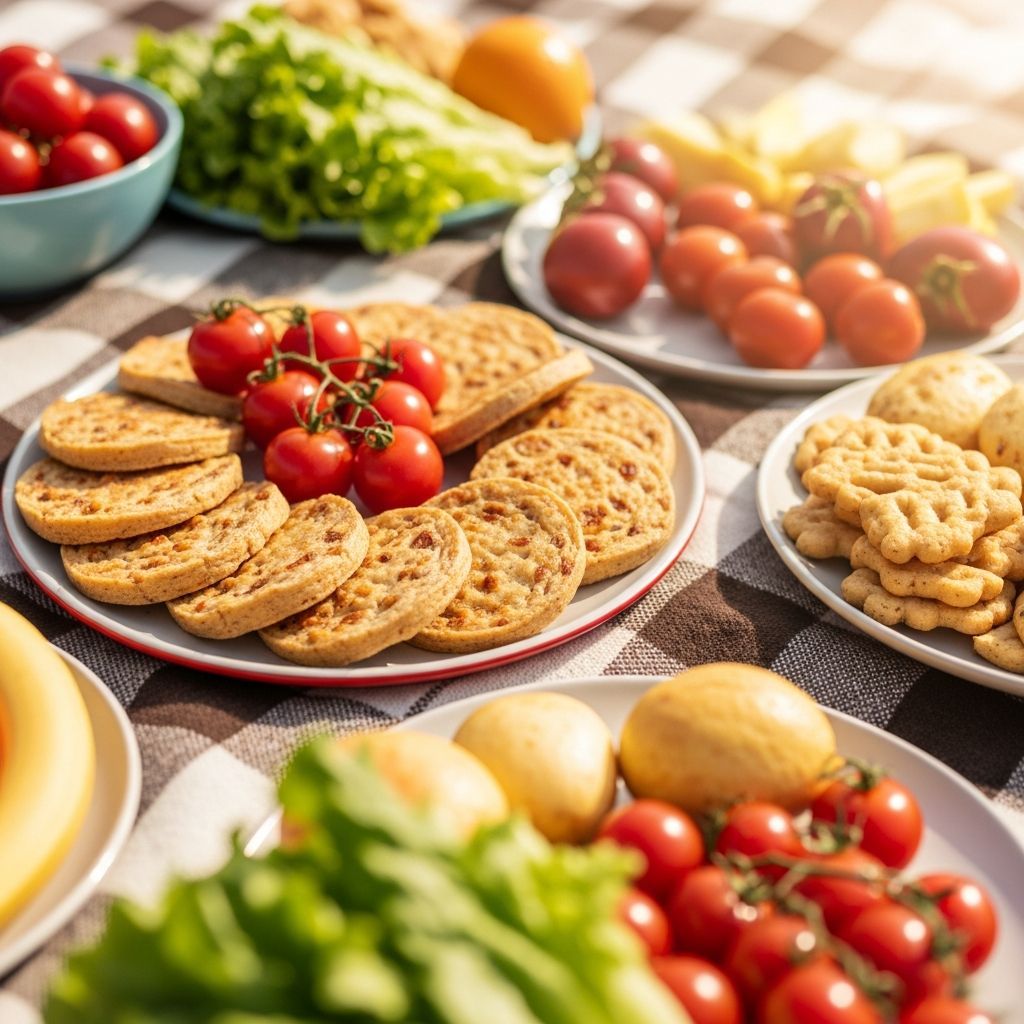
Food poisoning, also known as foodborne illness, spikes during summer due to outdoor cooking, picnics, and barbecues where warm temperatures allow bacteria like Salmonella, E. coli, and Campylobacter to multiply rapidly. Children under 5, pregnant individuals, older adults, and those with weakened immune systems face higher risks of severe complications from contaminated food. By following the core principles of Clean, Separate, Cook, and Chill—recommended by food safety experts—you can enjoy summer meals safely.
Why Food Poisoning is More Common in Summer
Hot weather creates ideal conditions for bacterial growth, especially between 90°F and 110°F (32°C-43°C), the ‘danger zone’ where pathogens thrive in moist, warm environments. Outdoor events mean less access to refrigerators, sinks, and thermometers, increasing contamination risks from improper handling. Studies show foodborne illnesses surge in summer, with outbreaks often linked to undercooked meats, unwashed produce, and foods left out too long. For instance, grilling hamburgers or chicken without checking internal temperatures can harbor dangerous germs.
Vulnerable groups suffer most: young children are prone to dehydration from diarrhea and vomiting, while the elderly may face hospitalization. Prevention starts with awareness—plan ahead for picnics, cookouts, and beach days by packing smart and staying vigilant.
Clean: The First Line of Defense
Proper cleaning prevents cross-contamination, a leading cause of food poisoning. Wash hands thoroughly with soap and warm water for at least 20 seconds before preparing food, after using the restroom, and before eating—especially crucial for the ‘oral-fecal route’ of bacteria transmission.
- Wash all fruits and vegetables under running water, even if peeling, and dry them to remove dirt and residues.
- Clean surfaces, cutting boards, and utensils with hot, soapy water before and after use. Designate separate boards for raw meats and produce.
- When packing picnics, start with clean hands and sanitized coolers. Scrub grills with aluminum foil or nylon brushes—avoid wire brushes to prevent stray wires embedding in food.
- At the picnic site, wash hands if facilities are available or use hand sanitizer (though soap is best).
Neglecting these steps can introduce pathogens from soil, animals, or handling, turning a fun outing into a health crisis.
Separate: Avoid Cross-Contamination
Keep raw meats, poultry, seafood, and eggs away from ready-to-eat foods to halt germ spread. Use color-coded cutting boards or foil liners for raw items, discarding the liner before placing cooked food.
- Pack separate coolers: one for raw meats/poultry/seafood, another for cooked or ready-to-eat items like salads, fruits, and drinks.
- Bring two sets of utensils and plates—one for raw prep, another for serving.
- Store drinks in dedicated coolers, keeping adult beverages separate to avoid child access.
- Rinse produce at home before packing; never use the same platter for raw and grilled meats.
This simple separation reduces risks significantly, as raw juices can contaminate salads or veggies.
Related Stories



Cook: Reach Safe Internal Temperatures
Cooking kills harmful bacteria—always use a food thermometer to verify temperatures, as color or texture alone isn’t reliable. The USDA provides clear guidelines:
| Food Type | Safe Minimum Internal Temperature |
|---|---|
| Beef, pork, veal, lamb (steaks, roasts) | 145°F (63°C) with 3-minute rest |
| Fish with fins | 145°F (63°C) |
| Ground meats (beef, pork, lamb, veal) | 160°F (71°C) |
| Poultry (whole, parts, ground) | 165°F (74°C) |
Cook sprouts, eggs in dressings, and doughs until steaming hot. For high-risk groups, opt for pasteurized eggs and cooked sprouts. Grill masters often undercook—don’t guess; probe the thickest part.
Chill: Keep Temperatures in Check
Bacteria double every 20 minutes in the danger zone (40°F-140°F or 4°C-60°C). Refrigerate perishables promptly.
- Keep coolers in shade, closed, with ice packs; cold foods below 40°F (4°C), hot above 140°F (60°C).
- Don’t leave food out over 2 hours (1 hour if above 90°F/32°C)—toss leftovers after that.
- Store hot foods in shallow containers for quick cooling; freeze if not eating soon.
- Pre-chill coolers and pack drinks last to maintain cold chain.
Labs tests confirm potato salad and meats spoil fast in heat—refrigerate within 2 hours.
Safer Choices for High-Risk Groups
Pregnant people, infants, elderly, and immunocompromised should avoid raw/undercooked items:
- Pasteurized eggs in recipes like mayo or mousse.
- Cooked sprouts (alfalfa, bean) instead of raw.
- Edible raw dough/batter labeled safe.
- No unpasteurized honey, raw nuts, or sprouts for infants.
Include these to protect everyone at barbecues.
Symptoms and What to Do If It Happens
Symptoms—nausea, vomiting, diarrhea, cramps, fever—appear 1-12 hours (up to days) post-exposure. Stay hydrated with water, oral rehydration solutions; eat bland foods like rice or bananas as recovery starts. Seek medical help for dehydration, bloody stools, or symptoms lasting over 48 hours. Most resolve in 1-3 days with rest.
Frequently Asked Questions (FAQs)
Q: How long can food sit out safely?
A: No more than 2 hours at room temperature, or 1 hour if over 90°F (32°C). Bacteria grow rapidly after that.
Q: Do I need a thermometer for grilling?
A: Yes—it’s the only way to ensure safe cooking. Check thickest parts.
Q: Can hand sanitizer replace washing hands?
A: No—soapy water is best for removing germs, especially after raw meats.
Q: Is food poisoning worse in summer?
A: Yes, heat speeds bacterial growth during outdoor meals.
Q: What if a child gets food poisoning?
A: Watch for dehydration; offer fluids, bland foods. See a doctor if severe.
Final Tips for Safe Summer Eating
Plan ahead: pack thermometers, coolers, separate tools. Educate family on hygiene. These habits slash risks, ensuring fun without illness. For more, consult CDC resources.
References
- Summer Food Safety Tips: Don’t Let Germs Spoil Your Outdoor Family Meal — American Academy of Pediatrics (healthychildren.org). 2023. https://www.healthychildren.org/English/healthy-living/nutrition/Pages/food-safety-tips-for-your-next-outdoor-family-meal.aspx
- The Facts You Need: What to Do When You Get Food Poisoning — LCM Health. 2024-07. https://www.lcmchealth.org/lakeview-hospital/blog/2024/july/the-facts-you-need-what-to-do-when-you-get-food-
- Avoid Food Poisoning This Summer Cookout Season — University of New Mexico Health Sciences Center. 2024. https://hscnews.unm.edu/news/avoid-food-poisoning-this-summer-cookout-season
- Treatment for Food Poisoning — National Institute of Diabetes and Digestive and Kidney Diseases (NIDDK). 2024. https://www.niddk.nih.gov/health-information/digestive-diseases/food-poisoning/treatment
- Food Safety — Centers for Disease Control and Prevention (CDC). 2024. https://www.cdc.gov/food-safety/index.html
Similar Articles








Read full bio of Sneha Tete