How to Avoid Loose Skin When Losing Weight
Discover proven strategies to minimize loose skin during weight loss, from gradual shedding to strength training and nutrition tips.
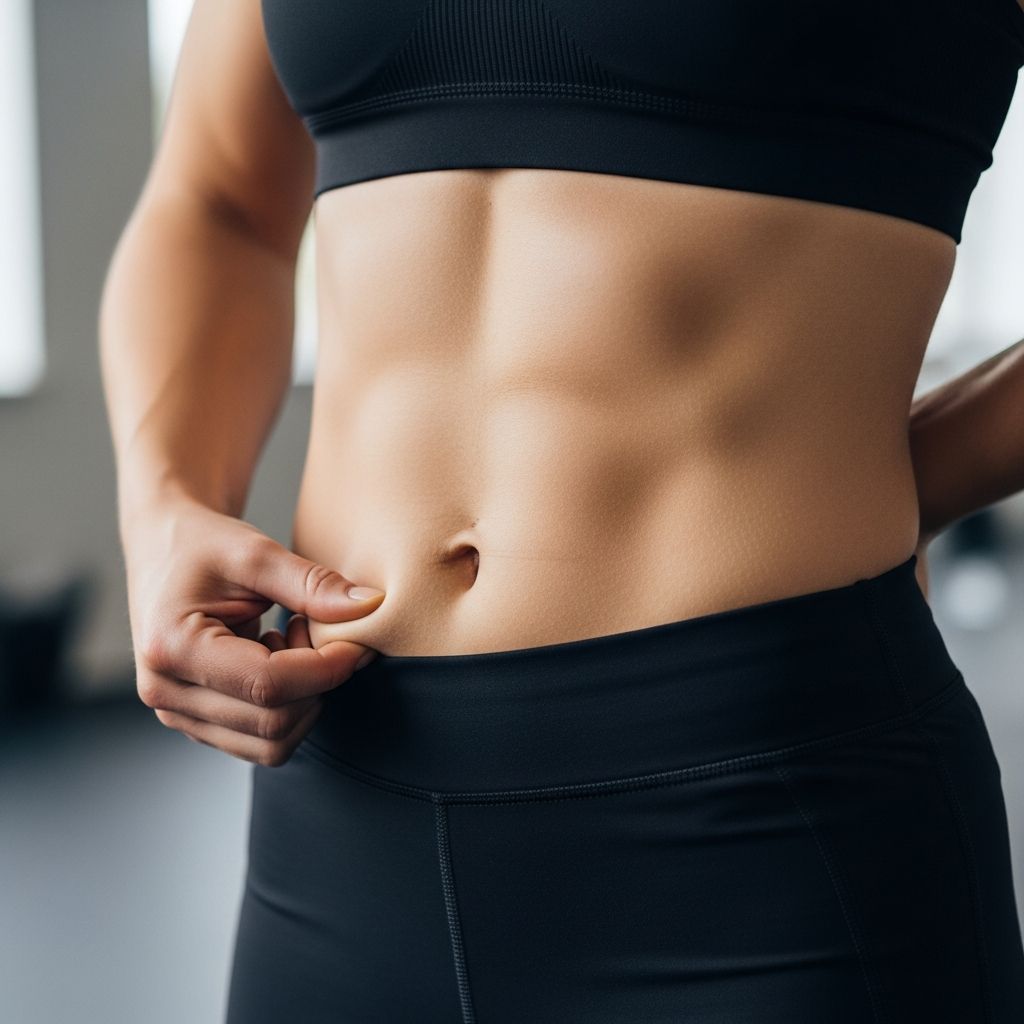
Losing significant weight is a major accomplishment, but it can sometimes leave behind loose or sagging skin, especially after rapid loss or in cases of prolonged obesity. This occurs because skin stretches to accommodate excess fat and may not fully retract due to damaged collagen and elastin fibers. While completely preventing loose skin isn’t always possible, strategies like gradual weight loss, strength training, proper nutrition, and hydration can improve skin elasticity and minimize sagging. Factors such as age, genetics, duration of obesity, and sun exposure also play roles in skin recovery. This guide covers evidence-based tips to help your skin adapt during weight loss, drawing from medical insights and research.
What Causes Loose Skin After Weight Loss?
Loose skin results from the skin’s inability to shrink back after fat reduction. Collagen and elastin, the proteins providing skin structure and bounce, degrade over time, particularly if stretched for years. Rapid weight loss exacerbates this by not allowing time for skin repair. Other contributors include aging (collagen production drops after 30), genetics, smoking, and UV damage, which break down elastin. A 2017 study highlighted that slow weight loss allows better skin adaptation compared to quick drops. For massive weight loss patients, excess skin often persists in the abdomen, arms, thighs, and buttocks, impacting mobility and confidence.
Lose Weight Gradually
The cornerstone of preventing loose skin is gradual weight loss, aiming for 1-2 pounds per week. This pace gives skin time to contract as fat diminishes. Rapid loss, common with crash diets or GLP-1 drugs like semaglutide, overwhelms skin’s repair mechanisms. Health experts recommend a calorie deficit through balanced meals rather than extreme restriction. For example, combine cardio with diet to sustain steady progress. A small 2017 study found slower loss (under 2% body weight weekly) linked to less sagging. Consult a doctor for personalized rates, especially post-bariatric surgery.
- Track progress weekly, not daily, to avoid frustration.
- Incorporate sustainable habits like portion control and whole foods.
- Avoid yo-yo dieting, which further damages elasticity.
Build Muscle With Strength Training
Resistance training is crucial as it builds muscle to ‘fill out’ skin, providing a firmer appearance. Muscle gain supports skin from underneath, countering sag. Focus on compound exercises targeting major areas: squats, deadlifts, push-ups, rows, and planks. Train 3-4 days weekly, progressively increasing weights. Studies show resistance training post-weight loss reduces loose skin by enhancing tone. Cardio burns fat, but strength preserves mass. Beginners can start with bodyweight or bands.
| Exercise | Target Areas | Sets/Reps |
|---|---|---|
| Squats | Thighs, glutes | 3 sets of 10-12 |
| Push-ups | Chest, arms | 3 sets of 8-15 |
| Deadlifts | Back, core | 3 sets of 8-10 |
| Planks | Core, abs | 3 sets of 30-60 sec |
Incorporate protein-rich diets (1.6-2.2g per kg body weight) to fuel muscle growth.
Stay Hydrated
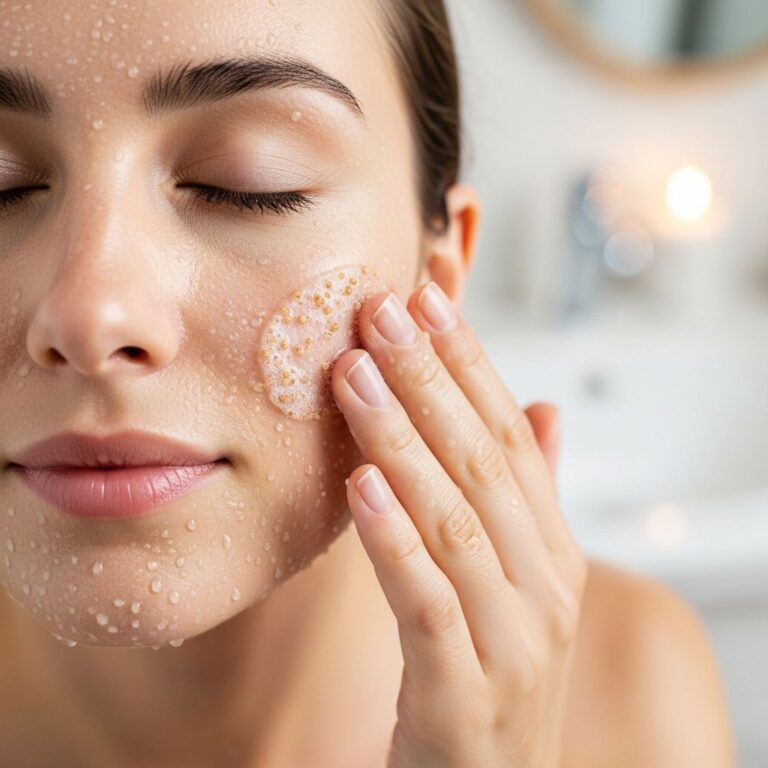
Hydration maintains skin’s plumpness and elasticity. Dehydrated skin loses turgor, worsening sag. Aim for 8-10 glasses daily, more if active. Water supports collagen production and toxin flush. Topical moisturizers with hyaluronic acid or ceramides lock in moisture. Foods like cucumbers and watermelon boost internal hydration. A study links polyunsaturated fats from fish oils to better elasticity when hydrated.
Boost Collagen Production
Collagen supplements (10-15g daily) may improve skin firmness, though research is emerging. Hydrolyzed collagen peptides enhance elasticity in some trials, but doses and long-term effects need more study. Eat collagen-boosters: bone broth, citrus (vitamin C aids synthesis), berries, nuts (zinc), and fish. Vitamin C deficiency hampers production; supplement if needed.
Related Stories



- Vitamin C-rich foods: oranges, peppers, strawberries.
- Zinc sources: seeds, lean meats.
- Collagen foods: gelatin, skin-on chicken.
Protect Your Skin From the Sun
UV rays destroy collagen and elastin, accelerating aging and sagging. Use broad-spectrum SPF 30+ daily, reapply every 2 hours. Wear protective clothing, hats, and seek shade. Sun damage compounds weight loss effects.
Eat a Nutrient-Dense Diet
A diet high in antioxidants, proteins, and healthy fats nourishes skin. Prioritize lean proteins, veggies, fruits, omega-3s. Avoid sugar, which glycates collagen (stiffens it). Polyunsaturated fats from fish/veggie oils preserve elasticity.
Consider Topical Treatments
Moisturizers with retinol, vitamin E, or peptides stimulate collagen. Coconut oil and shea butter hydrate deeply, though evidence is anecdotal. Use consistently for months.
When to Consider Surgery or Treatments
If prevention fails, options exist. Body contouring surgery removes excess skin from abdomen (tummy tuck), arms (brachioplasty), thighs, buttocks. Expect scars, but improved function. Non-surgical: ultrasound or radiofrequency tightens mildly. Ideal post-weight stability (6-12 months). Massive weight loss patients often need multiple procedures. Consult plastic surgeons; insurance may cover if functional.
| Treatment | Areas | Invasiveness |
|---|---|---|
| Tummy Tuck | Abdomen | Surgical |
| Arm Lift | Arms | Surgical |
| Ultrasound Therapy | Multiple | Non-surgical |
Frequently Asked Questions (FAQs)
Can you prevent loose skin completely when losing weight?
No, but gradual loss, muscle building, and collagen support minimize it significantly.
How long does loose skin take to tighten naturally?
Up to 2 years, depending on age and loss amount; younger skin rebounds faster.
Do collagen supplements really work for loose skin?
Promising but not definitive; more research needed on dosing.
Is surgery the only fix for severe loose skin?
Yes for excess folds; non-invasive options help mildly.
Does age affect loose skin risk?
Yes, older skin has less collagen, increasing sagging.
References
- Avoiding Loose Skin After Weight Loss: What to Know — Healthgrades. 2023. https://resources.healthgrades.com/right-care/weight-control-and-obesity/how-to-avoid-loose-skin-after-weight-loss
- Expert Tips for Preventing Loose Skin During Weight Loss — West Medical. 2024. https://westmedical.com/expert-tips-for-preventing-loose-skin-during-weight-loss/
- After Weight Loss, Many Face a New Issue: Excess Skin — University Hospitals. 2025-04-25. https://www.uhhospitals.org/blog/articles/2025/04/after-weight-loss-many-face-a-new-issue-excess-skin
- Body Contouring Following Massive Weight Loss — PMC – NIH. 2018-10-26. https://pmc.ncbi.nlm.nih.gov/articles/PMC6188338/
Similar Articles








Read full bio of medha deb