How to Avoid the Negative Effects of Sitting All Day
Discover practical strategies to counteract the health risks of prolonged sitting and boost your well-being with simple daily habits.
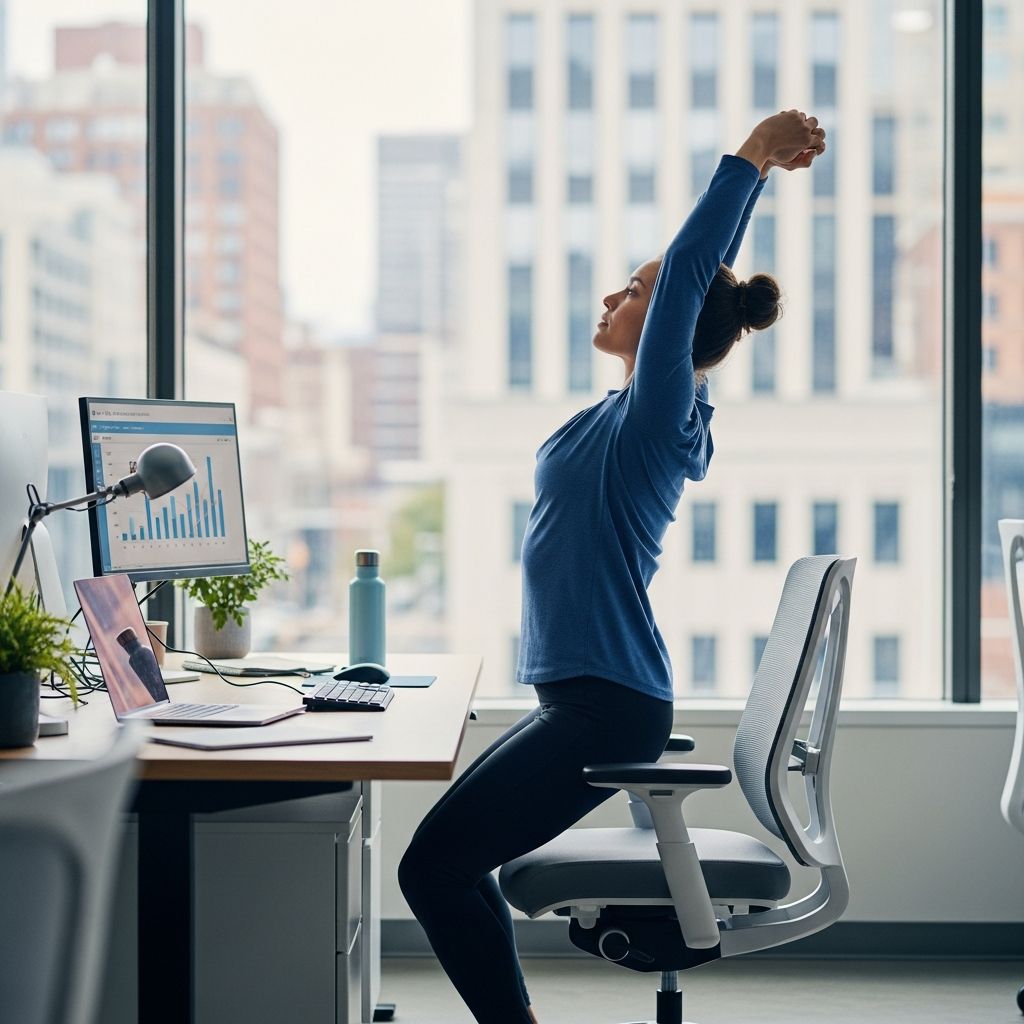
Prolonged sitting, common in desk jobs and remote work, significantly increases risks of chronic diseases like heart disease, diabetes, and cancer, even among those who exercise regularly. Research shows adults in industrialized countries spend most of their day sedentary, exacerbating these issues since the COVID-19 pandemic.
This article outlines the dangers of sitting too much and provides actionable strategies, including light walking breaks, to mitigate them based on recent studies from Columbia University and Mayo Clinic.
What Are the Negative Effects of Sitting All Day?
Sitting for extended periods—over 8 hours daily—burns minimal energy, slows metabolism, and disrupts blood sugar and fat regulation, leading to metabolic syndrome: high blood pressure, elevated blood sugar, excess waist fat, and poor cholesterol.
A Mayo Clinic analysis of 13 studies with over 1 million participants found that sitting more than 8 hours without activity carries mortality risks comparable to obesity or smoking. Prolonged sitting also heightens early death risk from heart disease and cancer.
Heart Disease and Cardiovascular Risks
One study linked watching over 23 hours of TV weekly to a 64% higher cardiovascular death risk in men compared to 11 hours. Inactive prolonged sitters face 147% higher heart attack or stroke risk. Sitting slows blood flow, promotes clotting, and raises inflammation.
Diabetes Risk
Even 5 days of bed rest boosts insulin resistance, elevating blood sugar. Sedentary individuals have a 112% higher diabetes risk. Glycemic control worsens with sitting, independent of exercise.
Cancer Links
Emerging evidence ties sitting to lung, uterine, and colon cancers, though mechanisms remain unclear. Sedentary behavior disrupts cellular processes that prevent tumor growth.
Musculoskeletal Issues
Sitting shortens hip flexors, weakens glutes and legs, causing hip/back pain and poor posture. Poor ergonomics leads to spinal disc compression and degeneration. Prolonged sitting causes leg swelling, varicose veins, and low back pain.
Mental Health Impacts
Excess sitting correlates with higher anxiety and depression rates, likely due to missing physical activity’s mood benefits. Sedentary lifestyles contribute to overall fatigue and poor mental well-being.
Other Risks
Obesity, dementia, and premature death rates rise with sedentary time. Adults average 9 hours daily sitting, excluding sleep.
How Much Sitting Is Too Much?
No safe threshold exists; risks accumulate with time. Over 8 hours daily without breaks equals high-risk behaviors. Current guidelines urge “sit less, move more,” but lack specifics until recent research.
Even daily exercise doesn’t fully offset 8+ hours sitting; activity-independent harms persist.
11 Ways to Avoid the Negative Effects of Sitting All Day
Evidence supports simple interruptions. A Columbia University study with 11 adults simulated 8-hour workdays: 5-minute light walks every 30 minutes best countered metabolic harms, outperforming 1-minute walks or hourly longer ones.
- Take 5-Minute Walk Breaks Every 30 Minutes: Most effective per lab study; offsets blood sugar/pressure spikes without disrupting work. Set timers for light pacing.
- Use a Standing Desk: Alternate sitting/standing to reduce static posture time. Avoid prolonged standing (>30 min) to prevent fatigue/leg pain.
- Incorporate Desk Exercises: Do seated leg lifts, shoulder rolls, or marches to activate muscles without leaving your spot.
- Walk During Calls: Pace during phone/Zoom meetings; turns sedentary time active.
- Try a Walking Pad/Treadmill Desk: Walk slowly (1-2 mph) while working; feasible for many jobs.
- Stand During TV Time: Avoid couch marathons; stand or march in place.
- Opt for Stairs and Park Farther: Daily habits add movement; stairs burn more calories than elevators.
- Set Movement Reminders: Apps like Stand Up! or phone alarms prompt breaks.
- Strengthen Core and Posture: Planks, glute bridges combat weakening from sitting.
- Ergonomic Setup: Adjust chair for 90-degree angles; use lumbar support to prevent back strain.
- Aim for 60-75 Min Daily Moderate Activity: Mayo Clinic notes this offsets some sitting risks, but combine with breaks.
How to Make Your Workspace Less Sedentary
Employers can boost productivity with walk breaks. Personal tips:
- Position printer/water far away to encourage standing/walking.
- Bike/stand during commutes if possible.
- Schedule walking meetings outdoors.
Frequently Asked Questions (FAQs)
Does exercise cancel out sitting all day?
No. While 60-75 minutes moderate activity helps, it doesn’t fully reverse prolonged sitting’s harms; regular breaks essential.
How often should I stand up if I sit all day?
Every 30 minutes for 5 minutes light walk, per Columbia research.
Is standing all day better than sitting?
No; prolonged standing causes fatigue, back/leg pain, varicose veins. Alternate positions.
Can I offset sitting with evening workouts?
Partially, but daytime breaks more effective for metabolic health.
What’s the best app for movement reminders?
Options like Stretchly or Focus Booster; customize for 30-minute intervals.
Final Tips for a Less Sedentary Life
Start small: one break per hour, build to every 30 minutes. Track with a pedometer. Consult doctors for personalized advice, especially with pre-existing conditions. Consistent micro-movements transform health long-term.
References
- Sitting all day is terrible for your health – now, a new study finds a relatively easy way to counteract it — Keith Diaz, Columbia University. 2023. https://nafc.org/bhealth-blog/sitting-all-day-is-terrible-for-your-health-now-a-new-study-finds-a-relatively-easy-way-to-counteract-it/
- The dangers of sitting — Better Health Channel, Victoria Government (.gov.au). 2024. https://www.betterhealth.vic.gov.au/health/healthyliving/the-dangers-of-sitting
- Sitting risks: How harmful is too much sitting? — Mayo Clinic. 2024-10-01. https://www.mayoclinic.org/healthy-lifestyle/adult-health/expert-answers/sitting/faq-20058005
- Evidence of Health Risks Associated with Prolonged Standing at Work — PMC/NCBI (Peer-reviewed). 2015-08-11. https://pmc.ncbi.nlm.nih.gov/articles/PMC4591921/
- Why sitting too much is bad for us — NHS UK (.gov.uk). 2023. https://www.nhs.uk/live-well/exercise/why-sitting-too-much-is-bad-for-us/
Similar Articles







Read full bio of Sneha Tete