How to Avoid the Negative Effects of Sitting All Day
Discover proven strategies to counteract the health risks of prolonged sitting and boost your well-being with simple daily habits.
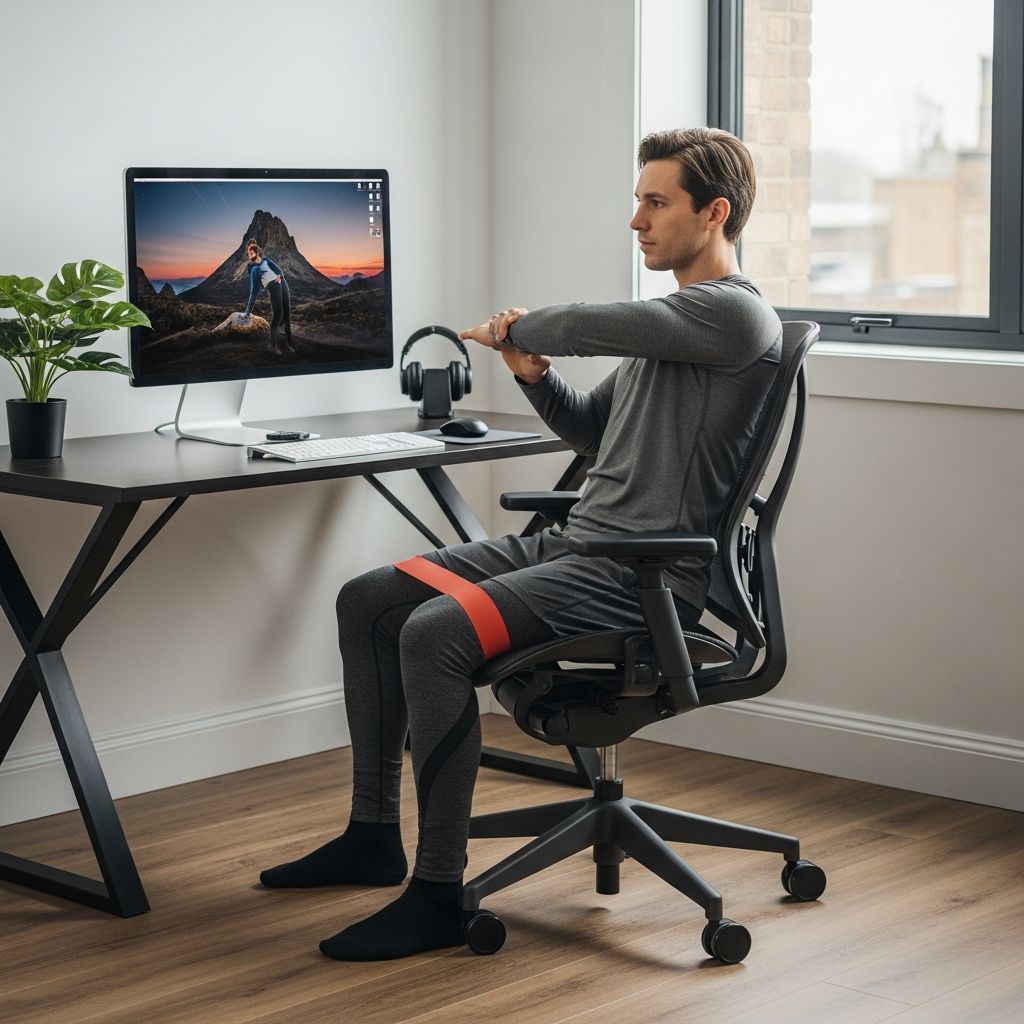
Prolonged sitting has become a hallmark of modern life, especially with remote work and screen-heavy routines. Research shows it elevates risks for chronic conditions like heart disease, diabetes, certain cancers, obesity, and even early death, even if you exercise regularly. A sedentary lifestyle slows metabolism, impairs blood sugar regulation, and weakens muscles in the hips, back, and legs. The good news: simple interruptions like a
five-minute light walk every 30 minutes
can significantly offset these dangers, as demonstrated in lab studies with middle-aged adults.This article explores the science behind sitting’s harms and provides actionable strategies to move more, structured around key interventions, exercises, and workplace tips. By incorporating these habits, you can protect your health without upending your schedule.
The Dangers of Prolonged Sitting
Sitting for extended periods—often 8+ hours daily for many adults—triggers metabolic changes that persist despite daily workouts. Here’s a breakdown of the key risks:
- Heart Disease: Inactive sitting raises cardiovascular death risk by up to 147%, with one study linking over 23 hours of weekly TV watching to a 64% higher mortality rate.
- Diabetes: It boosts insulin resistance; even five days of bed rest increases risk by 112%.
- Cancer: Linked to higher rates of colon, lung, and uterine cancers, though mechanisms are still under study.
- Musculoskeletal Issues: Shortens hip flexors, compresses spinal discs, and causes back, neck, and leg pain.
- Mental Health: Correlates with elevated anxiety and depression, possibly due to missed exercise benefits.
- Overall Mortality: Sitting over 8 hours daily without activity matches obesity or smoking risks; 60-75 minutes of moderate activity daily mitigates this.
Post-COVID remote work has worsened this trend, with adults averaging 9+ hours seated daily. Current guidelines urge “sit less, move more,” but specifics like timed walks fill the gap.
Stand Up Every 30 Minutes
The most effective countermeasure? Stand and move briefly every half-hour. A Columbia University study had participants sit for 8-hour simulated workdays, testing protocols like 1-minute walks every 30 minutes versus 5 minutes hourly.
Five-minute light walks every 30 minutes
best normalized blood sugar and blood pressure, rivaling effects of longer evening exercise.Implementation tips:
- Set phone alarms or use apps like Stand Up! or Focus Booster.
- Stand during calls, emails, or while drinking water.
- Walk in place if space is limited—light activity suffices.
This strategy boosts productivity too, countering the myth that uninterrupted sitting maximizes output.
Try a Walking Pad or Under-Desk Treadmill
For seamless integration,
walking pads
(mini treadmills) let you stroll at 1-2 mph while working. Studies support low-intensity movement during desk time reduces glycemic impact better than hourly bursts.| Pros | Cons | Best For |
|---|---|---|
| Affordable ($100-300); folds away | Noisy at higher speeds; needs habit-building | Home offices, light multitaskers |
| Hands-free models available | Initial balance adjustment | Standing desk users |
Start slow: 10-15 minutes hourly, building to match sitting time. Pair with proper posture to avoid strain.
Alternate Between Sitting and Standing
Use a
standing desk converter
or adjustable desk to alternate postures hourly. Alternate sitting-standing every 30-60 minutes prevents fatigue from either extreme—prolonged standing also risks leg swelling and back pain.Related Stories



Guidelines from safety experts:
- Sit 20 minutes, stand 8, move 2 (20-8-2 rule).
- Use anti-fatigue mats for comfort.
- Position screens at eye level to protect neck.
Evidence shows this reduces metabolic syndrome markers like high blood sugar and waist fat.
Do These Desk Exercises
When breaks aren’t feasible, try seated or standing moves targeting affected areas. Perform 2-3 sets of 10-15 reps every hour.
Seated Leg Lifts
Sit tall, lift one leg straight out, hold 5 seconds, lower. Strengthens quads, counters hip flexor shortening.
Desk Plank
Hands on desk edge, step back to plank, hold 20-30 seconds. Engages core, improves posture.
Chair Dips
Hands on chair arms, lift body slightly, dip elbows to 90 degrees. Builds triceps, opens chest.
Ankle Circles and Calf Raises
Rotate ankles or rise onto toes. Boosts circulation, fights leg pooling.
Incorporate shoulder rolls and neck stretches for upper body relief.
Optimize Your Workspace Ergonomics
Poor setup amplifies sitting’s toll. Key adjustments:
- Chair: Feet flat, knees at 90 degrees, lumbar support.
- Monitor: Top at eye level, arm’s length away.
- Keyboard/Mouse: Elbows at 90-100 degrees, wrists neutral.
- Add footrest if needed; use ergonomic accessories.
Take micro-breaks for posture resets—poor alignment accelerates disc degeneration.
Incorporate Regular Physical Activity
While breaks help,
60-75 minutes of moderate aerobic exercise daily
(brisk walking, cycling) fully offsets 8+ hours sitting. Aim for 150 minutes weekly per WHO guidelines, plus strength training twice weekly. Evening sessions work, but intraday movement is superior for blood sugar control.Track Your Sitting Time
Apps like RescueTime or Screen Time logs reveal patterns—most underestimate by 2-3 hours. Set goals: reduce by 30 minutes daily, replacing with stands/walks. Wearables with reminders enhance adherence.
Frequently Asked Questions (FAQs)
What is the optimal break frequency to combat sitting?
A
5-minute light walk every 30 minutes
is most effective for stabilizing blood sugar and pressure, per lab research.Does daily exercise cancel out sitting risks?
No—60-75 minutes moderate activity helps, but frequent breaks are essential as sitting effects are independent.
Is standing all day better than sitting?
Not necessarily; prolonged standing causes fatigue, varicose veins, and back pain. Alternate positions.
Can I use a walking pad while working?
Yes, at slow speeds (1-2 mph) for emails or calls; it reduces metabolic harm without sacrificing productivity.
How does sitting affect mental health?
It heightens anxiety/depression risks, likely from forgone activity benefits—movement breaks help.
Adopting these habits transforms sedentary routines into healthier ones. Start with one change, like hourly alarms, and build from there for lasting impact.
References
- Sitting all day is terrible for your health – now, a new study finds a relatively easy way to counteract it — Keith Diaz, Columbia University via The Conversation. 2023-10-15. https://nafc.org/bhealth-blog/sitting-all-day-is-terrible-for-your-health-now-a-new-study-finds-a-relatively-easy-way-to-counteract-it/
- The dangers of sitting — Better Health Channel, Victoria Government (.gov.au). 2024-05-20. https://www.betterhealth.vic.gov.au/health/healthyliving/the-dangers-of-sitting
- Sitting risks: How harmful is too much sitting? — Mayo Clinic. 2023-11-10. https://www.mayoclinic.org/healthy-lifestyle/adult-health/expert-answers/sitting/faq-20058005
- Evidence of Health Risks Associated with Prolonged Standing at Work — PMC (PubMed Central, NIH). 2015-07-22. https://pmc.ncbi.nlm.nih.gov/articles/PMC4591921/
- Why we should sit less — NHS UK (.gov.uk). 2023-08-05. https://www.nhs.uk/live-well/exercise/why-sitting-too-much-is-bad-for-us/
Similar Articles








Read full bio of Sneha Tete