How to Boost Your Motivation Levels During Winter
Combat winter blues with practical strategies to elevate motivation, energy, and mood during the cold, dark months.
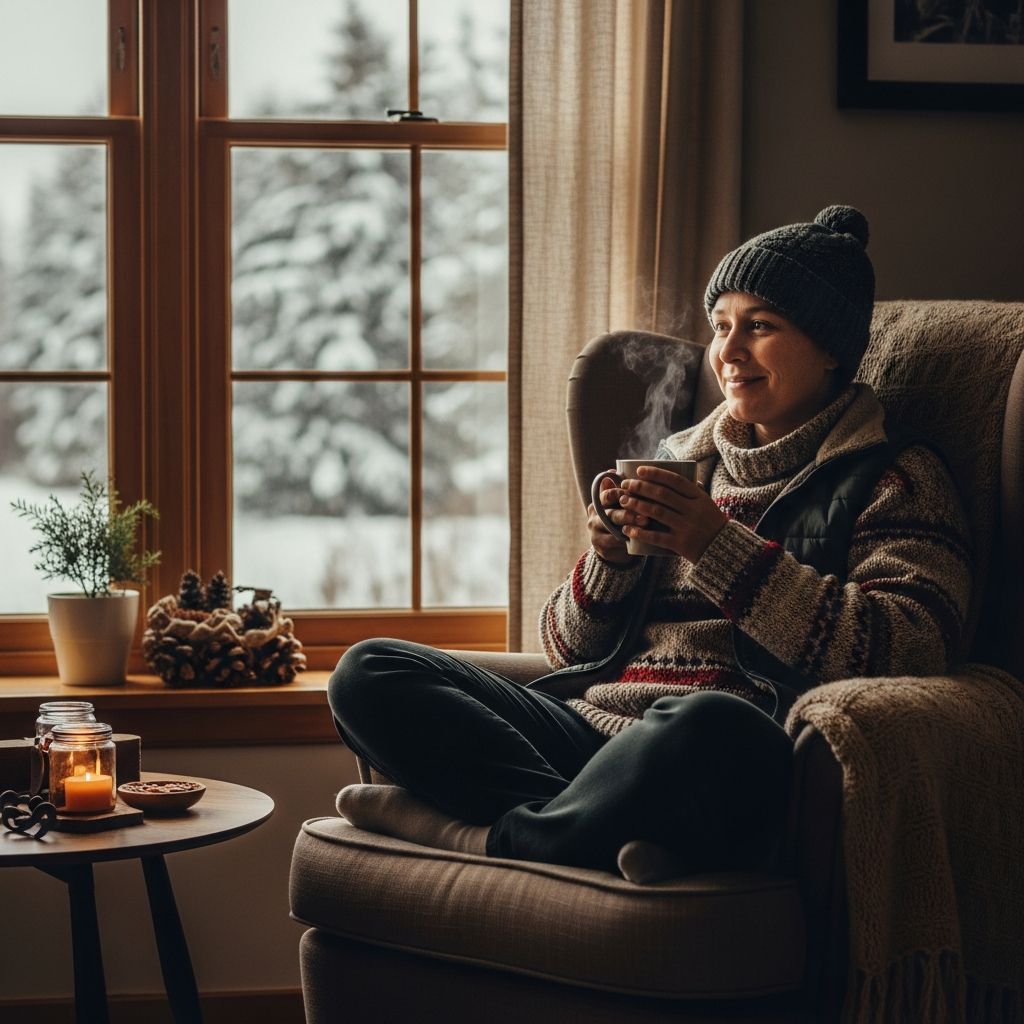
Winter brings shorter days, colder temperatures, and a natural urge to hibernate under the covers. Many people experience decreased
motivation levels
and low mood during these months, impacting work, relationships, and daily routines. This article explores why this happens and provides actionable strategies to combat winter tiredness and reignite your drive.Why Do We Feel Less Motivated in Winter?
The transition to winter disrupts our biological rhythms. Reduced sunlight affects hormone production, leading to fatigue and demotivation. Understanding these causes is the first step to overcoming them.
Reduced Sunlight and Seasonal Affective Disorder (SAD)
Shorter days mean less exposure to natural light, which regulates our circadian rhythm. In the UK, around 3 in every 100 people experience significant winter depression known as
seasonal affective disorder (SAD)
, characterized by low mood, lack of energy, and motivation dips. Light deficiency suppresses serotonin (the ‘happy hormone’) and boosts melatonin (sleep hormone), making you feel sluggish even during waking hours.Disrupted Sleep Cycles
Dark mornings confuse your body’s internal clock. As registered dietitian Reema Pillai explains, “When it is dark, you produce more melatonin, which gives us feelings of tiredness.” This hormonal shift impacts mood and energy, exacerbating winter lethargy.
Changes in Diet and Activity
Winter cravings for comfort foods high in sugar and fats provide short-term boosts via serotonin and dopamine but lead to energy crashes. Reduced physical activity compounds this, as exercise releases endorphins that combat low mood. Colder weather discourages outdoor movement, creating a cycle of inactivity and demotivation.
Impact on Daily Life
- Work productivity: Difficulty concentrating and starting tasks.
- Social withdrawal: Preferring isolation over social plans.
- Physical health: Weight gain from inactivity and poor diet.
Recognizing these patterns empowers you to break the cycle proactively.
How to Combat Winter Tiredness: Practical Strategies
Boosting motivation requires a multi-faceted approach targeting light, movement, nutrition, and habits. Implement these evidence-based tips for noticeable improvements.
1. Maximize Natural Light Exposure
Let daylight in first thing. Open curtains upon waking and position your workspace near a window. Pillai recommends a short morning or early afternoon walk: “It also helps to try to get out for a short walk… to get in some light where possible.” Even 10-15 minutes outdoors reduces melatonin influence and elevates mood.
- Invest in a
light therapy box
(10,000 lux) for 20-30 minutes daily to mimic sunlight, especially effective for SAD. - Avoid heavy curtains; use sheer ones to filter light softly.
2. Incorporate Regular Exercise
Physical activity raises core temperature, releases endorphins, and improves sleep—key to sustained motivation. Fitness coach Mari-Carmen Sanchez-Morris notes, “Bodyweight workouts… can boost your mood and energy levels”.
Indoor Workout Ideas for Winter
| Workout Type | Description | Duration | Benefits |
|---|---|---|---|
| Bodyweight Circuit | Squats, push-ups, planks, lunges | 20-30 min | Builds strength, no equipment needed |
| HIIT Sessions | Burpees, jumping jacks, mountain climbers (30s on/30s off) | 15-25 min | Boosts endorphins, heart health |
| Stairs/Chairs | Up-down stairs or step-ups | 10-15 min | Improves circulation, easy access |
| Virtual Classes | Apps/videos for yoga or dance | 30 min | Fun, community feel indoors |
Related Stories



Start small: Aim for 150 minutes of moderate activity weekly, even if condensed into weekends. Exercise combats SAD by strengthening immunity and enhancing mental clarity.
3. Optimize Your Diet for Energy
Fuel your body with nutrient-dense foods to avoid slumps. Pillai advises, “Aim to eat a variety of wholegrain carbohydrates, proteins and plenty of vegetables”. Winter-proof meals with:
- Complex carbs: Oats, sweet potatoes for steady energy.
- Proteins: Eggs, fish, nuts to stabilize blood sugar.
- Veggies/Fruits: Kale soups, citrus for vitamins.
- Vitamin D: Fatty fish, fortified foods, or supplements (consult a doctor).
Limit added sugars; they spike then crash energy. Healthy comfort foods like veggie-packed stews satisfy cravings without sluggishness.
4. Prioritize Sleep Hygiene
Maintain 7-9 hours nightly with a consistent schedule. Wind down with a warm bath, reading, or podcasts—avoid screens 1 hour before bed. Regular bedtimes align your circadian rhythm despite dark mornings.
5. Build Motivation-Boosting Routines
Structure combats inertia:
- Morning ritual: Light exposure + 5-min stretch + protein breakfast.
- Task chunking: Break goals into 25-min Pomodoro sessions.
- Accountability: Share goals with a friend or app.
- Rewards: Treat post-task (e.g., herbal tea).
Track progress in a journal to visualize wins and adjust.
6. Stay Social and Mindful
Combat isolation with virtual calls or indoor meetups. Mindfulness practices like 10-min meditation reduce stress and enhance focus. Spending time outdoors, even bundled up, lowers blood pressure and boosts mood.
When to Seek Professional Help
If low motivation persists >2 weeks, affects daily functioning, or includes hopelessness, consult a GP. It may signal SAD, depression, or vitamin deficiencies. Treatments include therapy, antidepressants, or light therapy. Early intervention prevents escalation.
Frequently Asked Questions (FAQs)
Q: How long does it take to feel more motivated in winter?
A: Improvements often appear in 1-2 weeks with consistent light exposure and exercise. SAD light therapy shows benefits in days.
Q: Can vitamin D supplements really help?
A: Yes, especially in low-sun regions; aim for 10-25mcg daily after doctor approval. Combine with diet for best results.
Q: What if I hate exercising indoors?
A: Try fun alternatives like dance videos or walking in place while watching TV. Momentum builds motivation.
Q: Is winter demotivation the same as depression?
A: Not always; SAD is seasonal. Persistent symptoms warrant professional assessment.
Q: How can I motivate myself to get out of bed?
A: Place your alarm across the room, hydrate immediately, and open blinds for light.
This comprehensive guide equips you to thrive through winter. Small, consistent changes yield big motivation gains. Stay warm, active, and lit!
References
- How to stay warm this winter — Patient.info. 2023. https://patient.info/features/general-health/how-to-stay-warm-this-winter
- How to boost your energy levels and feel less tired in winter — Patient.info. 2023. https://patient.info/features/diet-and-nutrition/how-to-boost-your-energy-levels-in-the-winter
- Stay fit indoors: winter workout ideas you can do at home — Patient.info. 2023. https://patient.info/features/healthy-living/stay-fit-indoors-simple-cold-weather-workouts
- Why spending time outdoors can improve your health — Patient.info. 2023. https://patient.info/features/healthy-living/why-spending-time-outdoors-can-improve-your-health
- Seasonal Affective Disorder (SAD) — NHS UK (official .gov source). 2024-10-15. https://www.nhs.uk/mental-health/conditions/seasonal-affective-disorder-sad/
Similar Articles








Read full bio of Sneha Tete