How to Break a Fever in Adults and Children
Effective strategies to safely reduce fever, manage symptoms, and know when to seek medical help for adults and kids.
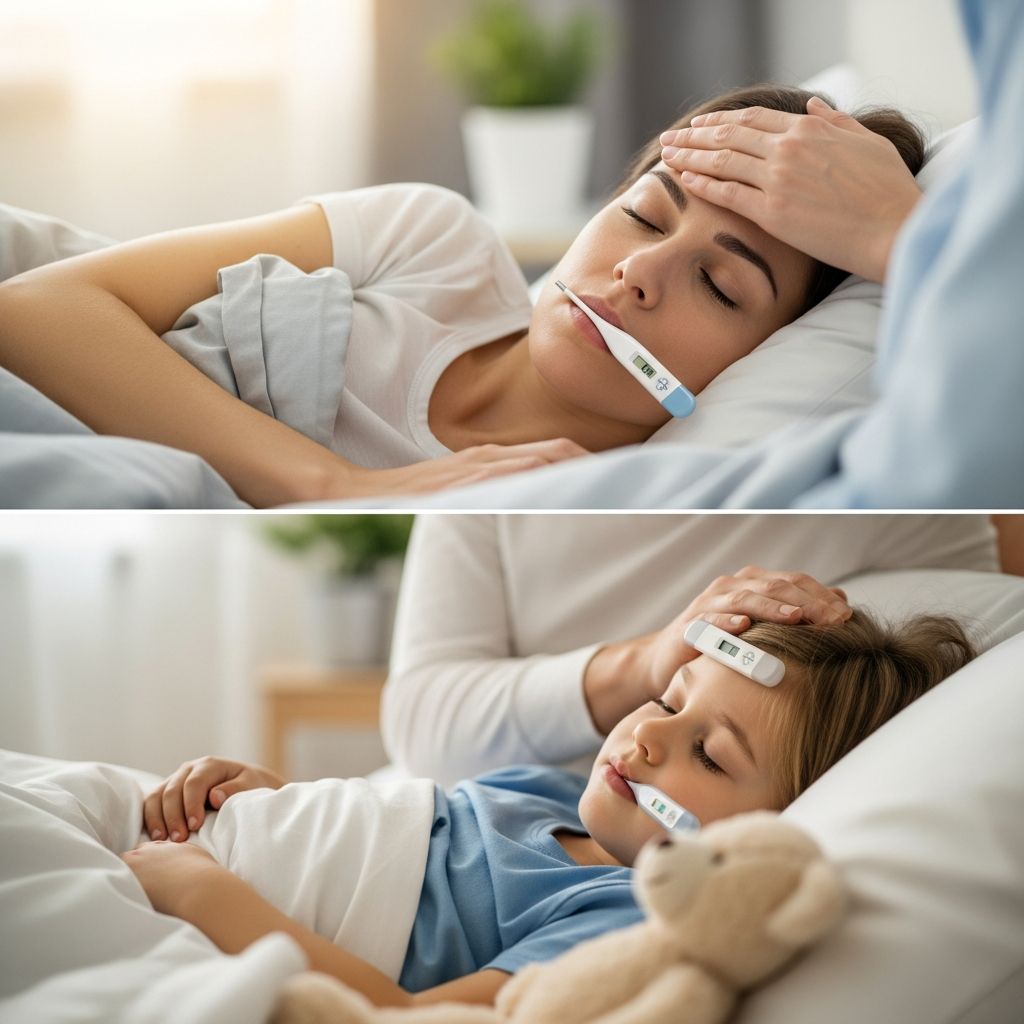
A fever is your body’s natural defense mechanism against infections, but it can cause discomfort like chills, aches, and fatigue. Understanding
how to break a fever
safely helps manage symptoms while allowing your immune system to work effectively. This guide covers definitions, home remedies, medications, duration, and when to seek help.What Is a Fever?
A
fever
occurs when your body temperature rises above its normal range, typically signaling an immune response to viruses, bacteria, or other triggers. Normal body temperature averages 98.6°F (37°C), but it fluctuates daily based on activity, time, and hormones.- Low-grade fever: 99.1°F to 100.4°F (37.3°C to 38°C) – Mild immune activation.
- Moderate fever: 100.4°F to 102.2°F (38°C to 39.1°C).
- High fever: Above 102.2°F (39.1°C), requiring closer monitoring.
Fevers are common with colds, flu, or vaccinations and help by making it harder for pathogens to survive.
Symptoms of a Fever
Beyond elevated temperature, fevers often bring:
- Chills and shivering
- Sweating
- Body aches and headaches
- Fatigue and weakness
- Flushed skin or faster heartbeat.
These symptoms vary by cause and individual. Monitor with a reliable thermometer – rectal for infants, oral for adults.
How to Break a Fever: 8 Proven Strategies
“Breaking” a fever means supporting your body to lower temperature comfortably. Combine these evidence-based tips.
1. Stay Hydrated with Plenty of Fluids
Fever causes sweating and rapid breathing, leading to dehydration. Drink water, herbal teas, broths, or electrolyte solutions frequently. Aim for 8-10 glasses daily for adults; more if sweating heavily. Avoid caffeine, alcohol, and sugary drinks, which worsen dehydration.
- Best options: Clear fluids, oral rehydration solutions for kids.
2. Rest as Much as Possible
Sleep boosts immune function. Avoid exercise; prioritize naps in a quiet, dark room. Rest reduces metabolic heat production, aiding fever reduction.
3. Dress Lightly and Stay Cool
Wear breathable, lightweight clothing. Use a light sheet instead of heavy blankets, even if chilled – bundling traps heat. Keep room at 68-72°F (20-22°C) with good ventilation.
4. Use Cooling Methods
Apply cool, damp cloths to forehead, neck, armpits, or groin. Take lukewarm (not cold) baths or sponges for 10-15 minutes to draw heat from skin safely. Avoid ice baths or alcohol rubs, which cause shivering and rebound fever.
5. Eat Light, Nutritious Foods
Appetite often drops, but small meals provide energy. Opt for soups, fruits, crackers, or broths – easy to digest and hydrating. Don’t force eating; prioritize fluids. Avoid dairy if it causes congestion.
6. Take Over-the-Counter Medications
Acetaminophen (Tylenol) or ibuprofen (Motrin, Advil) effectively lower fever and ease pain. Follow dosing: Adults – 325-650mg acetaminophen every 4-6 hours (max 3g/day); ibuprofen 200-400mg every 6-8 hours.
Related Stories



| Medication | Dosage (Adults) | Notes |
|---|---|---|
| Acetaminophen | 500-1000mg every 4-6 hrs | Liver-safe if under limit; good for pain. |
| Ibuprofen | 200-400mg every 6-8 hrs | Anti-inflammatory; take with food. |
Never give aspirin to children/teens due to Reye’s syndrome risk.
7. Use a Humidifier
Dry air worsens discomfort. A cool-mist humidifier adds moisture, easing breathing and preventing cracked lips. Clean it daily to avoid mold.
8. Monitor Temperature Regularly
Check every 4 hours. This tracks progress and catches spikes early.
How Long Does a Fever Last?
Most fevers resolve in 1-3 days with viral causes. Bacterial infections may persist longer, needing antibiotics. If over 3 days, recurring, or above 103°F in adults, seek care. Kids’ fevers can last 24-48 hours typically.
Fever in Children and Infants
Fevers scare parents, but they’re usually harmless. Key rules:
- Infants under 3 months: Any fever over 100.4°F (rectal) – call doctor immediately.
- 3-6 months: Over 102°F or lasting >24 hours.
- Over 6 months: Over 102°F >48 hours or with lethargy.
Treat similarly: Fluids, rest, meds dosed by weight. Bathe in lukewarm water; offer popsicles for hydration.
When to See a Doctor for a Fever
Seek immediate help if:
- Fever >103°F (adults) or >102°F (kids >3 months).
- Lasts >3 days.
- Accompanied by: Severe headache, stiff neck, rash, confusion, seizures, breathing issues, persistent vomiting, or dehydration signs (dry mouth, no tears).
- Infants: Irritability, poor feeding.
Err on caution, especially with vulnerable groups like elderly or immunocompromised.
Preventing Fevers
While not always avoidable, reduce risk by:
- Washing hands frequently.
- Staying up-to-date on vaccines.
- Avoiding sick contacts.
- Maintaining a healthy diet and sleep.
Frequently Asked Questions (FAQs)
Is a fever dangerous?
Usually not; it’s protective. But high/prolonged fevers need monitoring to prevent dehydration or rare complications.
Can I use cold baths to break a fever?
No – they cause shivering, raising temperature further. Stick to lukewarm.
What drinks help with fever?
Water, herbal tea, broths, electrolyte drinks. Avoid soda/alcohol.
Should I wake a sleeping child to give fever medicine?
No, if comfortable and breathing well. Comfort is key.
Does alternating Tylenol and ibuprofen work better?
It can for persistent fevers, but consult a doctor first to avoid overdose.
Final Tips for Fever Management
Patience is key – fevers often self-resolve. Combine remedies for best relief, track symptoms, and consult professionals promptly. Proper management speeds recovery and prevents complications.
References
- How to break a fever: 6 tips to manage your symptoms and get relief — Baylor Scott & White Health. 2023. https://www.bswhealth.com/blog/how-to-break-a-fever
- How to Break a Fever and Manage Fever Symptoms — Motrin (Johnson & Johnson). 2024. https://www.motrin.com/adults/cold-flu/managing-fever
- What to Do About a Fever (High Temperature) — Nemours KidsHealth. 2024-01-15. https://kidshealth.org/en/parents/fever-sheet.html
Similar Articles








Read full bio of Sneha Tete