How To Build Bone Density: 7 Key Habits For Stronger Bones
Expert strategies to strengthen bones, prevent osteoporosis, and maintain skeletal health through diet, exercise, and lifestyle changes.
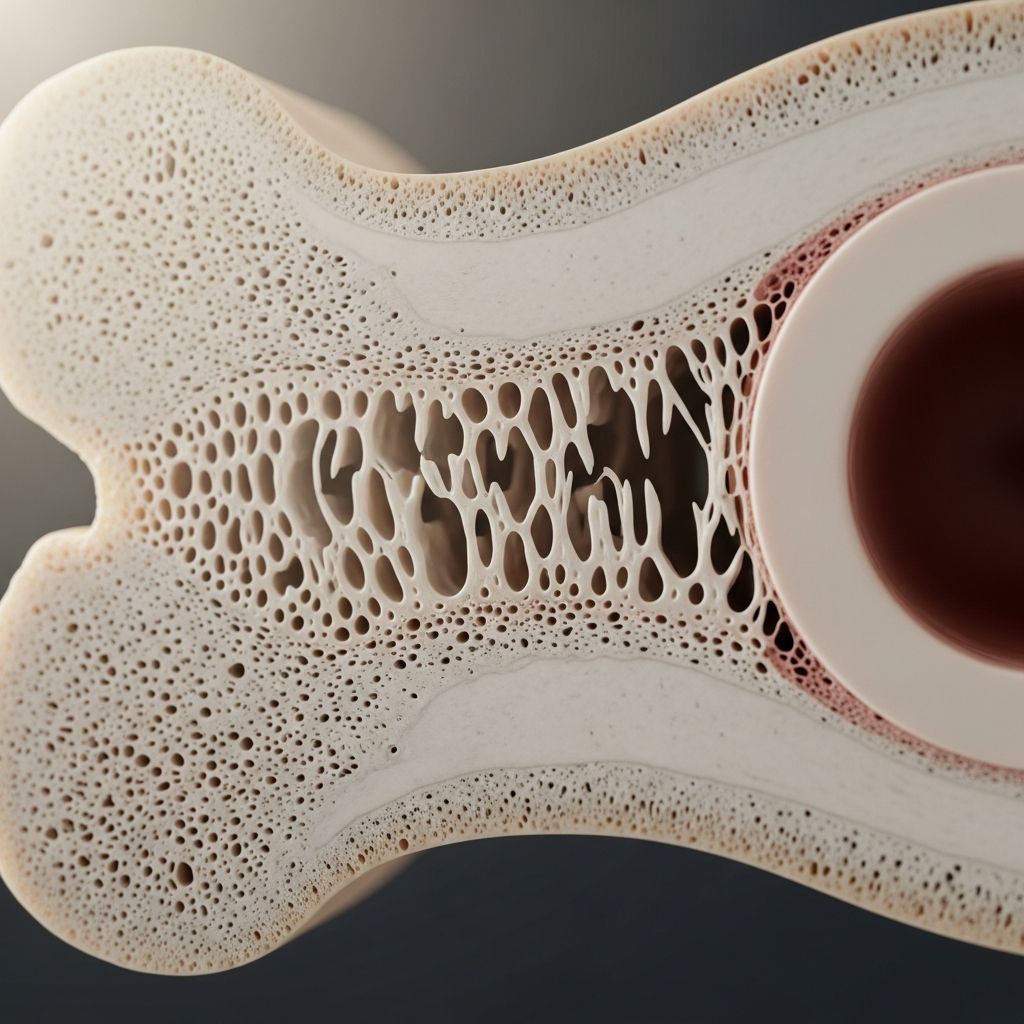
Bones are dynamic living tissues that constantly remodel, peaking in density around age 30 before gradual loss begins, making proactive strategies essential to prevent osteoporosis and fractures.
Maintaining or increasing bone mineral density (BMD) involves a multifaceted approach combining nutrition, exercise, and lifestyle factors, as bones respond to mechanical stress and nutrient availability like muscles do.
What Is Bone Density?
Bone density refers to the amount of mineral matter per square centimeter of bone, primarily calcium and phosphorus, which provides strength and resistance to fractures.
Measured via DEXA scans, higher BMD correlates with lower osteoporosis risk; peak mass accrues until the late 20s, after which resorption often outpaces formation.
Understanding BMD dynamics is crucial: during youth, deposition exceeds resorption, building reserves; post-30, the balance shifts, accelerated by menopause or inactivity.
Why Is Bone Density Important?
Strong bones support mobility, protect organs, and store minerals; low density leads to osteoporosis, affecting over 10 million Americans, with fractures causing pain, disability, and high mortality risk.
Osteoporotic fractures, especially hip and spine, result in lost independence; preventing density loss via peak mass maximization by age 30 and slowing decline thereafter is key.
- Reduces fall-related injuries by improving strength and balance.
- Maintains posture and height by preventing vertebral compression.
- Supports overall metabolic health through calcium regulation.
What Affects Bone Density?
Bone health hinges on a “three-legged stool” of exercise, nutrition, and hormones; disruptions in any leg accelerate loss.
Diet
Inadequate calcium, vitamin D, magnesium, and phosphorus impairs remodeling; diets rich in these from food sources optimize absorption over supplements.
- Calcium threshold around 1,000 mg/day needed for exercise benefits on BMD.
- Vitamin D deficiency hinders calcium uptake, common in low-sun exposure.
Activity Level
Sedentary lifestyles cause rapid density loss; weight-bearing and resistance activities stimulate osteoblasts to deposit new bone.
Regular loading prevents up to 1-2% annual loss, with high-impact or varied movements most effective.
Weight
Underweight individuals (BMI <18.5) exhibit lower BMD due to reduced estrogen and mechanical loading; healthy weight supports density via hormones and stress.
Medications
Glucocorticoids, anticonvulsants, and aromatase inhibitors reduce density; long-term use requires monitoring and countermeasures.
Hormones
Estrogen decline in menopause, low testosterone, or hyperparathyroidism drive resorption; hormonal balance outweighs diet/exercise in some cases.
Age
Post-30, loss accelerates; women lose 1-2% yearly peri-menopause, men slower but cumulative.
Genetics and Other Factors
Family history accounts for 50-80% variance; smoking, excess alcohol, and caffeine exacerbate loss.
7 Healthy Habits to Increase Bone Density
No quick fix exists, but consistent habits leveraging the three-legged stool can build or preserve BMD effectively.
Related Stories



1. Stay Active With Weight-Bearing Exercises
Weight-bearing aerobics like walking/running most days and resistance training 2-3x/week stimulate bone formation; a 2022 review showed improved strength and fall risk reduction in osteoporosis patients.
Optimal: multiple brief bouts daily with varied directions, e.g., tennis or stair climbing.
- Walk briskly 30+ minutes daily.
- Incorporate jumps or hops for high-impact.
2. Try Yoga or Balance Training
Yoga enhances BMD, flexibility, and balance, cutting fall risk; poses like tree or warrior load bones uniquely.
Practice 2-3 sessions weekly for cumulative benefits.
3. Eat a Well-Balanced Diet
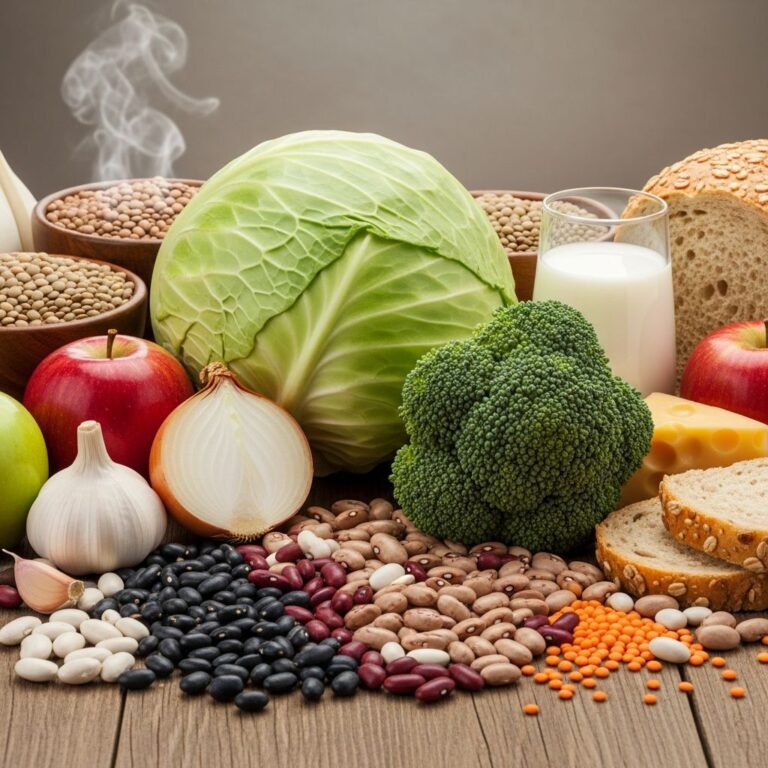
Fruits, veggies, whole grains, and dairy provide potassium, magnesium, and calcium; a 2023 review linked this pattern to higher density.
| Nutrient | Daily Recommendation | Food Sources |
|---|---|---|
| Calcium | 1,000-1,200 mg (adults) | Dairy, kale, fortified plant milks |
| Vitamin D | 800-1,000 IU | Fatty fish, egg yolks, sunlight |
| Magnesium | 320-420 mg | Nuts, seeds, legumes |
4. Focus on Calcium and Vitamin D
Food sources absorb best; aim for dairy, leafy greens, salmon; supplements if deficient, but pair vitamin D for efficacy.
Bone Health Foundation guidelines: 1,000 mg calcium under 50/70, rising to 1,200 mg.
5. Consider Resistance Training
Resistance exercise counters osteosarcopenia, boosting BMD via muscle pull on bones; free weights or machines ideal.
Target major groups 2-3x/week, progressing load.
6. Maintain a Healthy Weight
Avoid underweight to preserve estrogen and loading; BMI 18.5+ supports density without obesity risks.
7. Limit Risk Factors
Quit smoking, cap alcohol at 1-2 drinks/day, manage stress for cortisol control.
Sample Weight-Bearing Exercises
These Hinge Health-recommended moves target full body for BMD gains.
- Banded Squat: Loop band above knees, squat deeply; 3 sets of 10.
- Wall Push-Up: Hands on wall, lower chest; builds upper body bone.
- Side Plank: Hold 20-30s per side; strengthens core and hips.
Progress gradually; consult professionals for form.
How Long Does It Take to Build Bone Density?
Timeline varies; consistent activity yields measurable gains in months to years, but maintenance is lifelong; youth see fastest accrual.
Frequently Asked Questions (FAQs)
What is the fastest way to increase bone density?
Combine weight-bearing/resistance exercise with calcium/vitamin D-rich diet; no overnight fix, but habits show results in 6-12 months.
Can you rebuild bone density after 50?
Yes, exercise and nutrition slow loss and modestly increase BMD, though peak rebuilding is harder post-30.
Are supplements necessary for bone health?
Food first; supplements if deficient, especially vitamin D in low-sun areas.
Does walking alone build bone density?
Helpful for sedentary starters, but add resistance/high-impact for optimal gains.
Who should get a bone density scan?
Women 65+, men 70+, or earlier with risks like fractures or steroids.
References
- How to Increase Bone Density: Tips From Physical Therapists — Hinge Health. 2023. https://www.hingehealth.com/resources/articles/how-to-increase-bone-density/
- Optimizing Bone Health: Impact of Nutrition, Exercise, and Hormones — GSSI Sports Science Exchange. 2002. https://www.gssiweb.org/sports-science-exchange/article/sse-82-optimizing-bone-health-impact-of-nutrition-exercise-and-hormones
- Effects of Resistance Exercise on Bone Health — National Library of Medicine (PMC). 2018-11-21. https://pmc.ncbi.nlm.nih.gov/articles/PMC6279907/
- Bone health: Tips to keep your bones healthy — Mayo Clinic. 2023. https://www.mayoclinic.org/healthy-lifestyle/adult-health/in-depth/bone-health/art-20045060
Similar Articles








Read full bio of medha deb