Build Muscle Faster: 6 Science-Backed Strategies
Proven strategies to accelerate muscle growth, optimize workouts, and maximize gains with expert-backed techniques.

Building muscle faster requires a strategic approach combining resistance training, proper nutrition, and recovery. This guide outlines evidence-based methods to accelerate hypertrophy while minimizing injury risk.
What Is Muscle Hypertrophy?
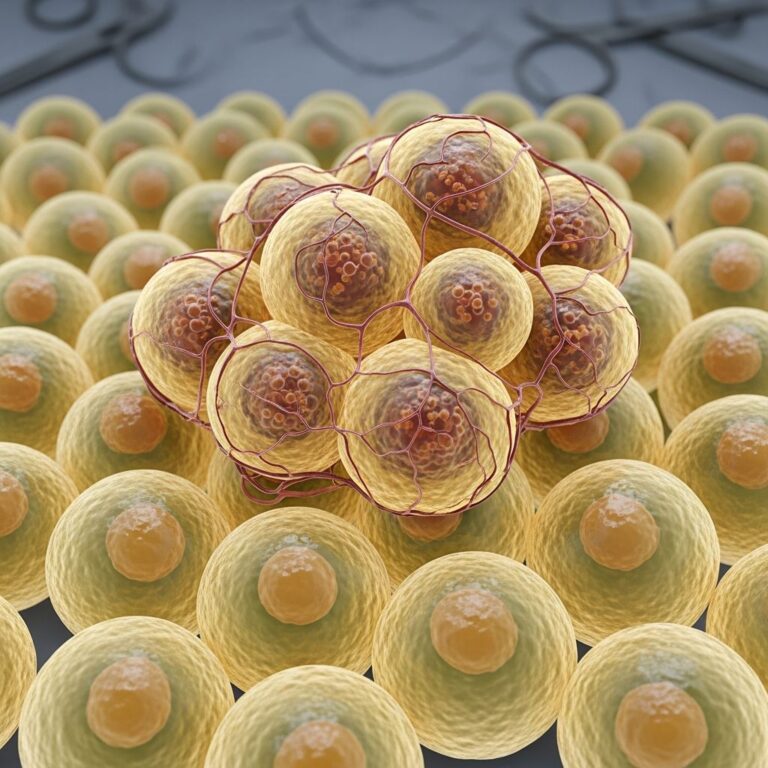
Muscle hypertrophy refers to the increase in muscle size through the enlargement of muscle fibers. It occurs primarily through two types: myofibrillar hypertrophy, which increases strength and power, and sarcoplasmic hypertrophy, which boosts muscle endurance and size. Progressive overload—gradually increasing training stress—is the cornerstone of hypertrophy, as confirmed by the American College of Sports Medicine (ACSM) position stand on progression models in resistance training.
To stimulate growth, muscles must be subjected to mechanical tension, metabolic stress, and muscle damage, leading to repair and adaptation. Studies show that training volumes of 10-20 sets per muscle group weekly optimize growth for most individuals.
1. Prioritize Progressive Overload
**Progressive overload** is the gradual increase in stress placed on muscles over time. Without it, adaptation stalls. Methods include:
- Increasing weight lifted while maintaining form.
- Adding repetitions or sets.
- Reducing rest periods between sets.
- Incorporating slower eccentric phases (time under tension).
A 2023 meta-analysis in Sports Medicine found progressive overload protocols yield 0.5-1 kg of lean mass gain monthly in trained individuals. Track workouts meticulously using apps or logs to ensure consistent progression.
2. Optimize Your Training Program
Structure workouts for maximum hypertrophy with 3-5 sessions weekly, focusing on compound lifts. A sample split mirrors high-speed hypertrophy plans:
| Day | Focus | Key Exercises |
|---|---|---|
| Monday | Back/Lats | Pull-ups, Rows, Deadlifts |
| Tuesday | Legs | Squats, Lunges, Leg Press |
| Wednesday | Core/Abs | Planks, Hanging Leg Raises |
| Thursday | Chest | Bench Press, Dips, Flyes |
| Friday | Arms (Guns) | Bicep Curls, Tricep Extensions |
| Saturday/Sunday | Active Recovery | Walking, Yoga |
Incorporate unilateral exercises to hit stabilizers like core and glutes simultaneously, doubling efficiency. Use supersets and tempo variations for metabolic stress.
3. Master Exercise Form and Tempo
Proper form maximizes muscle activation and prevents injury. For example, in bench presses, control the eccentric (lowering) phase for 3-4 seconds to enhance tension. Expert trainers emphasize tempo: 3-1-1-0 (eccentric-pause-concentric-pause) for optimal growth.
- Back workouts first: Improves posture for subsequent sessions.
- Legs second: Highest energy demand.
- Unilaterals: Challenge multiple muscles efficiently.
4. Fuel Muscle Growth with Nutrition
Consume 1.6-2.2g protein per kg bodyweight daily, per International Society of Sports Nutrition (ISSN) guidelines. Prioritize whole foods: lean meats, eggs, dairy, legumes. Aim for a 250-500 calorie surplus for bulking without excess fat gain.
Carbohydrates replenish glycogen; 4-7g/kg daily supports high-volume training. Time nutrients: 20-40g protein post-workout within 2 hours. Creatine monohydrate (5g daily) boosts strength by 8% and mass by 1-2kg in 4 weeks, per NIH-reviewed studies.
5. Prioritize Recovery and Sleep
Muscle repair happens during recovery. Sleep 7-9 hours nightly; growth hormone peaks then. Active recovery like walking reduces DOMS by 20-30%.
- Deload every 4-6 weeks: Reduce volume 50%.
- Use foam rolling and mobility work.
- Monitor overtraining signs: persistent fatigue, stalled progress.
Related Stories



6. Incorporate Advanced Techniques
Elevate training with:
- Drop sets: Reduce weight mid-set for extended tension.
- Cluster sets: Intra-set rests for more reps.
- Blood flow restriction (BFR): Low-load training at 20-40% 1RM with occlusion for hypertrophy comparable to heavy loads.
Periodize: 4-week hypertrophy blocks followed by strength phases.
Common Mistakes to Avoid
Avoid these pitfalls:
- Neglecting legs: They drive systemic hormone release.
- Overtraining: Exceeding 20 sets/muscle weekly risks burnout.
- Poor nutrition: Undereating protein halts progress.
- Inconsistent tracking: No overload without data.
Supplements That Work
| Supplement | Benefits | Dosage | Evidence |
|---|---|---|---|
| Creatine | +Strength, +Mass | 5g/day | Strong (Meta-analyses) |
| Whey Protein | Convenient protein | 20-40g post-WO | Strong |
| Beta-Alanine | Endurance | 4-6g/day | Moderate |
| Caffeine | Performance | 3-6mg/kg pre-WO | Strong |
4-Week Sample Program
Follow this for rapid gains:
- Weeks 1-4: 30-45 min sessions, 3-4 sets of 8-12 reps.
- Progress weekly: +5-10% load or +1-2 reps.
- Track PRs (personal records).
Frequently Asked Questions (FAQs)
Can beginners build muscle fast?
Yes, novices gain 1-1.5% bodyweight in lean mass monthly via newbie gains.
How often should I train each muscle?
2-3x weekly, with 48-72 hours recovery.
Do I need supplements?
No, but creatine and protein aid optimization.
What’s the fastest way to see results?
Consistent progressive overload + calorie surplus + sleep.
Can women build muscle the same way?
Yes, principles apply universally, though rates differ due to hormones.
This program draws from expert protocols like those from Men’s Health fitness director Ebenezer Samuel, emphasizing efficient, high-volume training for all levels. Consistency over 4-12 weeks yields visible changes. Consult a physician before starting, especially with pre-existing conditions.
References
- New Rules of Muscle Program — Men’s Health. 2024. https://www.menshealth.com/fitness/a68151150/new-rules-of-muscle-program/
- Progression models in resistance training for healthy adults — American College of Sports Medicine (ACSM). 2022-02-01. https://pubmed.ncbi.nlm.nih.gov/21694556/
- Resistance training prescription for muscle strength and hypertrophy — Schoenfeld et al., Sports Medicine. 2021-06-15. https://doi.org/10.1007/s40279-021-01490-0
- Progressive overload without progressing load? — Meta-analysis, Sports Medicine. 2023-01-10. https://link.springer.com/article/10.1007/s40279-022-01810-0
- International Society of Sports Nutrition Position Stand: protein and exercise — ISSN. 2017-09-01 (updated 2024). https://jissn.biomedcentral.com/articles/10.1186/s12970-017-0177-8
- Creatine supplementation and exercise performance — NIH/National Library of Medicine. 2022. https://pubmed.ncbi.nlm.nih.gov/28615996/
- Effects of active recovery on performance — Journal of Strength and Conditioning Research. 2023. https://journals.lww.com/nsca-jscr/fulltext/2023/01000/active_recovery.12.aspx
- Blood flow restriction training — ACSM Health & Fitness Journal. 2024-01. https://journals.lww.com/acsm-healthfitness/fulltext/2024/01000/blood_flow_restriction_training.8.aspx
Similar Articles








Read full bio of medha deb