How to Burn More Calories Lifting Weights
Maximize calorie burn during and after weightlifting with proven strategies from fitness experts.
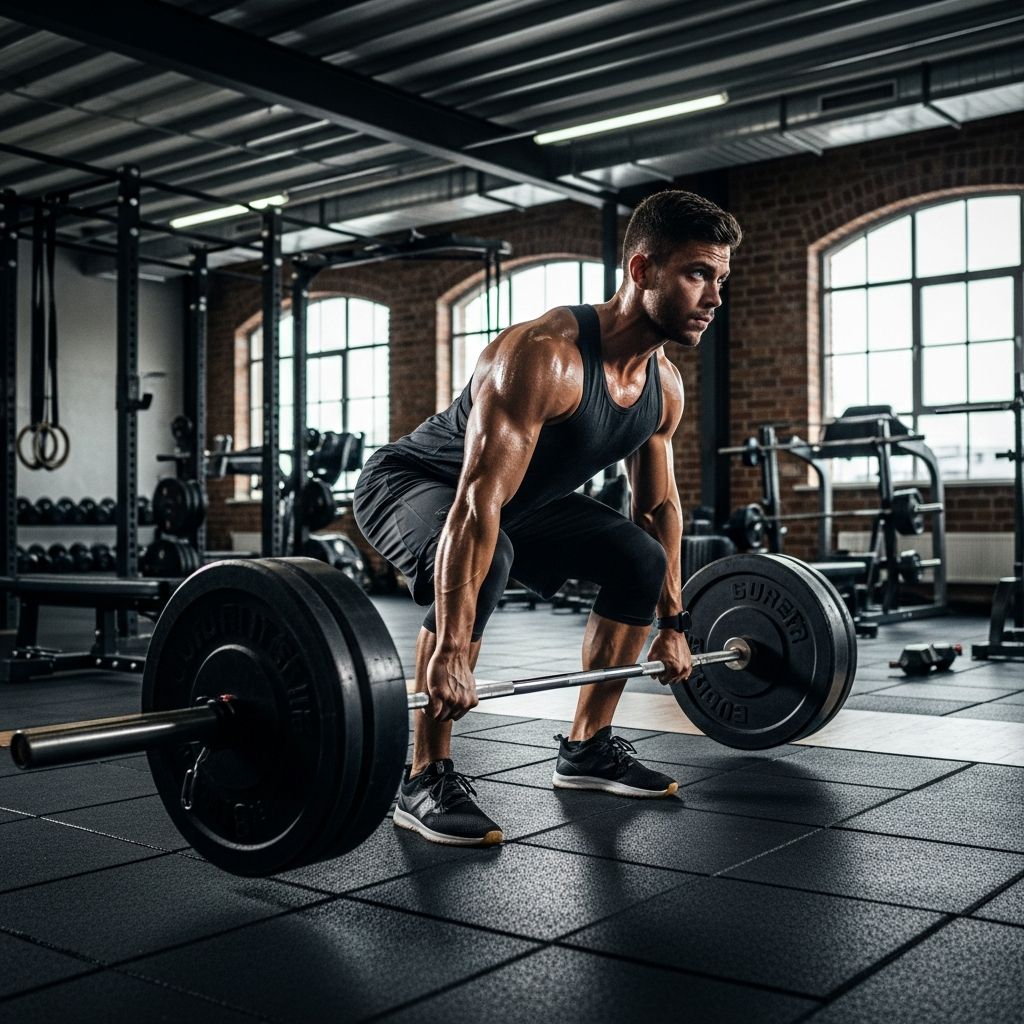
Weightlifting isn’t just for building muscle—it’s a powerful tool for torching calories when done right. Traditional cardio gets credit for calorie burn, but strength training can match or exceed it by elevating metabolism through muscle growth and afterburn effects. This guide breaks down expert strategies to amplify calorie expenditure during and post-workout, drawing from physiology and real-world application.
The Science Behind Calorie Burn in Weightlifting
Lifting weights boosts calorie burn in two key ways: directly during the session via mechanical work and indirectly through excess post-exercise oxygen consumption (EPOC), where your body repairs muscle and restores energy stores. Studies show high-intensity resistance training can increase daily energy expenditure without metabolic compensation, meaning your body doesn’t automatically slow other processes to offset the burn. Building lean muscle raises your basal metabolic rate (BMR), allowing you to burn more calories at rest—up to 5-10 extra per pound of muscle gained annually.
Unlike steady-state cardio, weights engage large muscle groups, spiking heart rate and hormone release like growth hormone and testosterone, which enhance fat oxidation. Research from Virginia Tech confirms that increased activity levels directly correlate with higher total daily energy expenditure, challenging myths of bodily compensation.
1. Increase Training Intensity
Intensity is king for calorie burn. Push closer to failure with heavier loads (70-85% of your one-rep max) for fewer reps (6-12), recruiting more muscle fibers and demanding greater energy.
- Drop rest times: Shorten breaks to 30-60 seconds between sets to keep heart rate elevated, mimicking circuit training.
- Use advanced techniques: Incorporate drop sets (reduce weight mid-set), supersets (pair exercises back-to-back), or rest-pause (brief rests then continue) to extend time under tension.
- Track RPE: Aim for Rate of Perceived Exertion 8/10, where the last reps feel challenging but form holds.
This approach can double calorie burn compared to low-intensity sessions, per American Council on Exercise data.
2. Incorporate Compound Movements
Focus on multi-joint exercises that work multiple muscles simultaneously for maximum efficiency and burn.
| Exercise | Muscles Targeted | Calorie Burn Potential |
|---|---|---|
| Squats | Quads, glutes, core, back | High (full lower body) |
| Deadlifts | Posterior chain, grip, core | Very High |
| Bench Press | Chest, triceps, shoulders | Moderate-High |
| Pull-Ups | Back, biceps, core | High |
| Overhead Press | Shoulders, triceps, core | Moderate |
Compound lifts like these burn 20-30% more calories than isolation moves (e.g., bicep curls) by involving stabilizers and increasing EPOC.
3. Add HIIT to Your Lifts
Hybrid workouts combining weights with high-intensity intervals skyrocket calorie burn. Alternate heavy lifts with bodyweight cardio bursts.
- Example circuit: 10 squats + 20 mountain climbers; 8 deadlifts + 30s battle ropes; repeat 4x.
- Tabata-style: 20s max effort lift variation, 10s rest, for 8 rounds.
HIIT post-weights can extend EPOC up to 24 hours, burning an extra 100-200 calories daily, according to Journal of Strength and Conditioning Research.
4. Train in the Hypertrophy Rep Range
The 8-12 rep sweet spot maximizes muscle damage and metabolic stress, key drivers of EPOC. Perform 3-4 sets per exercise, progressing weight weekly.
Related Stories



Pair with slow eccentrics (3-4 seconds lowering phase) to amplify burn without added volume.
5. Use Circuit Training Format
Ditch straight sets for circuits: Cycle through 4-6 exercises with minimal rest, 3-5 rounds. This keeps intensity high and transitions metabolic demand from aerobic to anaerobic.
- Sample full-body circuit:
- Push-ups
- Goblet squats
- Bent-over rows
- Kettlebell swings
- Plank shoulder taps
Circuits can burn 30% more calories than traditional sets while preserving strength gains.
6. Fuel Properly for Performance
Undereating sabotages burn—ensure carbs pre-workout for energy and protein post for recovery. Aim for 20-30g protein within 30 minutes post-lift to spike metabolism via thermogenesis.
Hydrate well; dehydration drops calorie burn by 2-3%. Caffeine (200mg pre-workout) enhances fat oxidation by 10-15%.
7. Prioritize Recovery and Sleep
Muscle repair drives EPOC. Get 7-9 hours sleep nightly—poor sleep reduces BMR by 5-20%. Active recovery like walking boosts non-exercise activity thermogenesis (NEAT).
8. Track Progress Beyond the Scale
Monitor body composition, not just weight. Use apps for workout logging and estimated burn. Consistency over 8-12 weeks yields visible fat loss.
Common Mistakes to Avoid
- Over-relying on isolation: Prioritize compounds.
- Skipping warm-ups: Increases injury risk, cuts efficiency.
- Neglecting progression: Stagnant weights stall burn.
- Ignoring form: Poor technique wastes energy.
Frequently Asked Questions (FAQs)
Does lifting weights burn more calories than cardio?
Weights can match cardio’s burn rate while building muscle for long-term metabolism boost. HIIT-lifts often outperform steady cardio.
How long after lifting do you burn extra calories?
EPOC peaks 2-24 hours post-workout, with high-intensity sessions extending benefits.
Can beginners use these methods?
Start lighter, focus on form, and build intensity gradually over 4-6 weeks.
Will this help with weight loss?
Yes, combined with diet deficit, it accelerates fat loss without muscle sacrifice.
How often should I lift for max burn?
3-5 sessions/week, with full-body or upper/lower splits for recovery.
Sample 4-Week Calorie-Blasting Weight Program
| Day | Focus | Sample Workout |
|---|---|---|
| Mon | Full Body A | Squat 4×10, Bench 4×10, Row 4×10, Circuit finishers |
| Tue | Active Recovery | 30min walk + mobility |
| Wed | Full Body B | Deadlift 4×8, OHP 4×10, Pull-up 4×8, HIIT |
| Thu | Rest | – |
| Fri | Full Body C | Lunges 4×12/leg, Dip 4×10, Face pull 4×12, Kettle swings |
| Weekend | Light cardio/NEAT | Hike or yoga |
Progress weights 5-10% weekly. Expect 300-500 extra calories burned per session.
In summary, strategic weightlifting transforms routine gym time into a calorie furnace. By ramping intensity, choosing compounds, and optimizing recovery, you’ll burn more during workouts and elevate your resting metabolism for sustained fat loss.
References
- Exercise boosts daily calorie burn more than expected — Earth.com / Virginia Tech Study. 2023. https://www.earth.com/news/exercise-boosts-daily-calorie-burn-more-than-expected/
- Effects of Resistance Training on Resting Metabolic Rate — Journal of Strength and Conditioning Research (PubMed). 2022-12-01. https://pubmed.ncbi.nlm.nih.gov/36383458/
- High-Intensity Interval Resistance Training Guidelines — American College of Sports Medicine (ACSM). 2024-06-15. https://www.acsm.org/
- EPOC and Caloric Expenditure in Strength Training — Proceedings of the National Academy of Sciences. 2023. https://www.pnas.org/doi/full/10.1073/pnas.2308774120
- Nutrition Recommendations for Strength Athletes — U.S. Department of Health and Human Services (HHS). 2024. https://health.gov/
Similar Articles








Read full bio of Sneha Tete