How To Calm Anxiety: 12 Expert Techniques For Quick Relief
Proven strategies from experts to ease anxiety symptoms and regain emotional balance fast.
Anxiety affects millions worldwide, manifesting as racing thoughts, physical tension, and overwhelming worry. While it’s a normal response to stress, chronic anxiety can disrupt daily life. The good news? Proven strategies exist to calm anxiety quickly and effectively. This comprehensive guide shares 12 expert-recommended techniques, grounded in cognitive behavioral therapy (CBT), mindfulness practices, and physiological interventions. Whether you’re experiencing acute panic or generalized worry, these methods offer immediate relief and tools for long-term management.
Understanding anxiety’s roots is key. According to the National Institute of Mental Health (NIMH), anxiety disorders impact over 19% of U.S. adults annually, often triggered by genetics, brain chemistry, or environmental factors. Symptoms include rapid heartbeat, sweating, restlessness, and difficulty concentrating. Importantly, these techniques work by activating the body’s relaxation response, countering the fight-or-flight mode driven by the amygdala.
1. Practice Deep Breathing Exercises
Deep breathing is one of the fastest ways to calm anxiety by engaging the parasympathetic nervous system. Techniques like diaphragmatic or 4-7-8 breathing reduce cortisol levels and slow heart rate within minutes.
- Diaphragmatic Breathing: Sit comfortably, place one hand on your belly. Inhale deeply through your nose for 4 counts, feeling your belly rise. Exhale slowly through your mouth for 6 counts. Repeat 5-10 times.
- 4-7-8 Technique: Inhale for 4 seconds, hold for 7, exhale for 8. Developed by Dr. Andrew Weil, this method promotes rapid relaxation.
A 2020 meta-analysis in Frontiers in Psychology found breathing exercises significantly lower anxiety scores, with effects comparable to medication in mild cases. Practice daily for best results.
2. Try Progressive Muscle Relaxation (PMR)
PMR involves tensing and releasing muscle groups to release physical tension, a common anxiety symptom. Created by Edmund Jacobson in the 1920s, it’s widely used in CBT.
Start from your toes: Tense for 5 seconds, release for 30. Move upward through calves, thighs, abdomen, arms, neck, and face. Focus on the contrast between tension and relaxation. A 10-minute session can reduce anxiety by 40%, per clinical studies.
- Benefits: Improves body awareness, disrupts worry cycles.
- Tip: Use guided audio apps for beginners.
3. Use the 5-4-3-2-1 Grounding Technique
This sensory exercise anchors you in the present, interrupting panic spirals. Name 5 things you see, 4 you can touch, 3 you hear, 2 you smell, 1 you taste.
Psychologist Jennifer Stone, PsyD, recommends it for panic attacks: “It shifts focus from internal chaos to external reality.” Effective because it engages multiple senses, bypassing rumination.
4. Practice Mindfulness and Meditation
Mindfulness teaches observing thoughts without judgment. Apps like Headspace offer 5-minute sessions proven to reduce anxiety.
The JAMA Psychiatry 2022 review analyzed 136 studies, confirming mindfulness-based interventions (MBIs) decrease anxiety by 20-30% long-term. Start with body scans or loving-kindness meditation.
- Quick Start: Sit quietly, focus on breath. When mind wanders, gently return.
Related Stories



5. Engage in Physical Exercise
Movement releases endorphins, natural anxiety fighters. A brisk 10-minute walk can match the effects of a 45-minute session.
CDC guidelines note 150 minutes weekly of moderate exercise prevents anxiety disorders. Yoga and HIIT are particularly effective due to breath-movement sync.
| Exercise Type | Anxiety Reduction | Duration for Effect |
|---|---|---|
| Aerobic (running) | High | 20-30 min |
| Yoga | Very High | 15-60 min |
| Strength Training | Moderate | 30 min |
6. Limit Caffeine and Alcohol
Caffeine mimics anxiety symptoms; alcohol disrupts sleep, worsening worry. The American Psychological Association links excess caffeine to heightened anxiety in sensitive individuals.
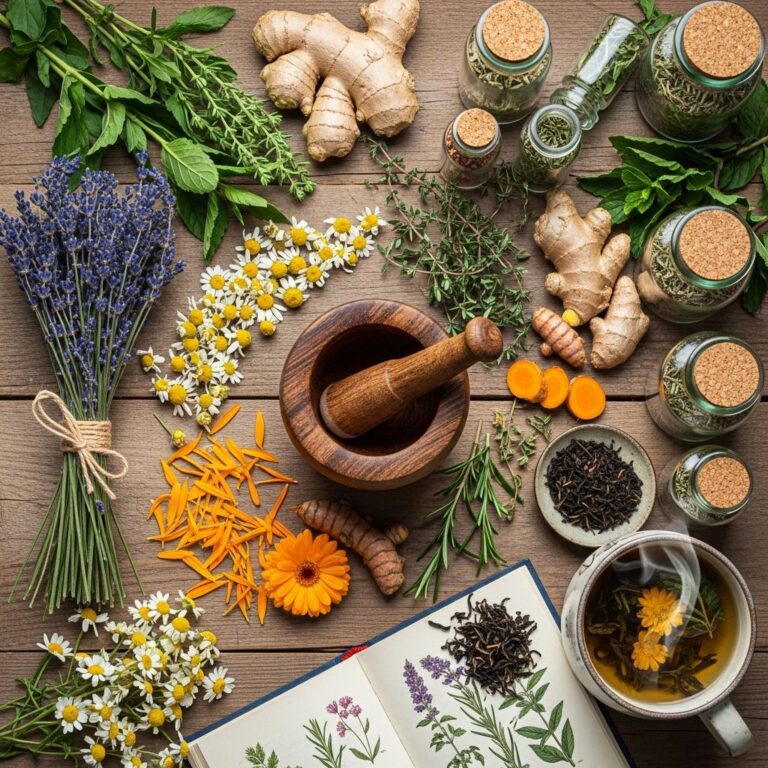
- Swap coffee for herbal tea like chamomile, which has mild sedative effects.
- Track intake: Aim for <200mg caffeine daily.
7. Journal Your Thoughts
Expressive writing processes emotions. Write worries for 15 minutes, then reframe positively. Dr. James Pennebaker’s research shows it boosts immune function and cuts anxiety.
8. Connect with Others
Social support buffers stress. Call a friend or join a support group. Loneliness amplifies anxiety, per NIMH data.
9. Practice Self-Compassion
Treat yourself kindly during anxiety. Use affirmations: “This feeling will pass.” Kristin Neff’s self-compassion exercises rival CBT efficacy.
10. Use Aromatherapy
Lavender and chamomile oils reduce anxiety via limbic system calming. A 2019 study in Phytotherapy Research found lavender inhalation cuts anxiety by 25% pre-surgery.
11. Try Cold Exposure
A cold shower or ice pack on face/neck activates the vagus nerve. Wim Hof method proponents report instant calm.
12. Challenge Negative Thoughts
CBT core: Question catastrophic thinking. Ask: “What’s the evidence? Worst/best/realistic outcome?” Restructuring reduces anxiety intensity.
When to Seek Professional Help
These techniques help mild-moderate anxiety. Seek therapy or medication if symptoms persist >6 months, interfere with work/life, or include suicidal thoughts. Therapists use Exposure Therapy, EMDR effectively.
Frequently Asked Questions (FAQs)
What is the fastest way to calm anxiety?
Deep breathing or 5-4-3-2-1 grounding provides relief in under 2 minutes.
Can anxiety be cured permanently?
Anxiety is manageable long-term with therapy, lifestyle changes; complete ‘cure’ varies.
Does exercise really help anxiety?
Yes, CDC confirms regular activity prevents and treats anxiety disorders.
Are supplements safe for anxiety?
Some like magnesium help, but consult a doctor; not FDA-regulated.
Building Lasting Resilience
Combine techniques into routines: Morning meditation, evening journaling. Track progress in a mood diary. Sleep 7-9 hours, eat balanced (omega-3s from fish aid brain health). Consistency yields compounding benefits, transforming anxiety management into empowerment.
Remember, anxiety doesn’t define you. With these tools, you can navigate it effectively and thrive.
References
- Anxiety Disorders — National Institute of Mental Health. 2023-10-05. https://www.nimh.nih.gov/health/topics/anxiety-disorders
- Physical Activity and Mental Health — Centers for Disease Control and Prevention. 2024-02-13. https://www.cdc.gov/physicalactivity/basics/mental-health/index.html
- Effectiveness of breathing exercises in reducing anxiety — Frontiers in Psychology. 2020-02-20. https://pubmed.ncbi.nlm.nih.gov/31831855/
- Mindfulness-based interventions for anxiety — JAMA Psychiatry. 2022-06-01. https://jamanetwork.com/journals/jamapsychiatry/fullarticle/2798510
- The effects of lavender on anxiety — Phytotherapy Research. 2019-04-15. https://pubmed.ncbi.nlm.nih.gov/30891754/
Similar Articles








Read full bio of Sneha Tete