How To Care For Your Scalp: Ultimate Guide For Healthy Hair
Expert tips on maintaining scalp health for stronger hair, preventing dandruff, and addressing common issues like dryness and oiliness.
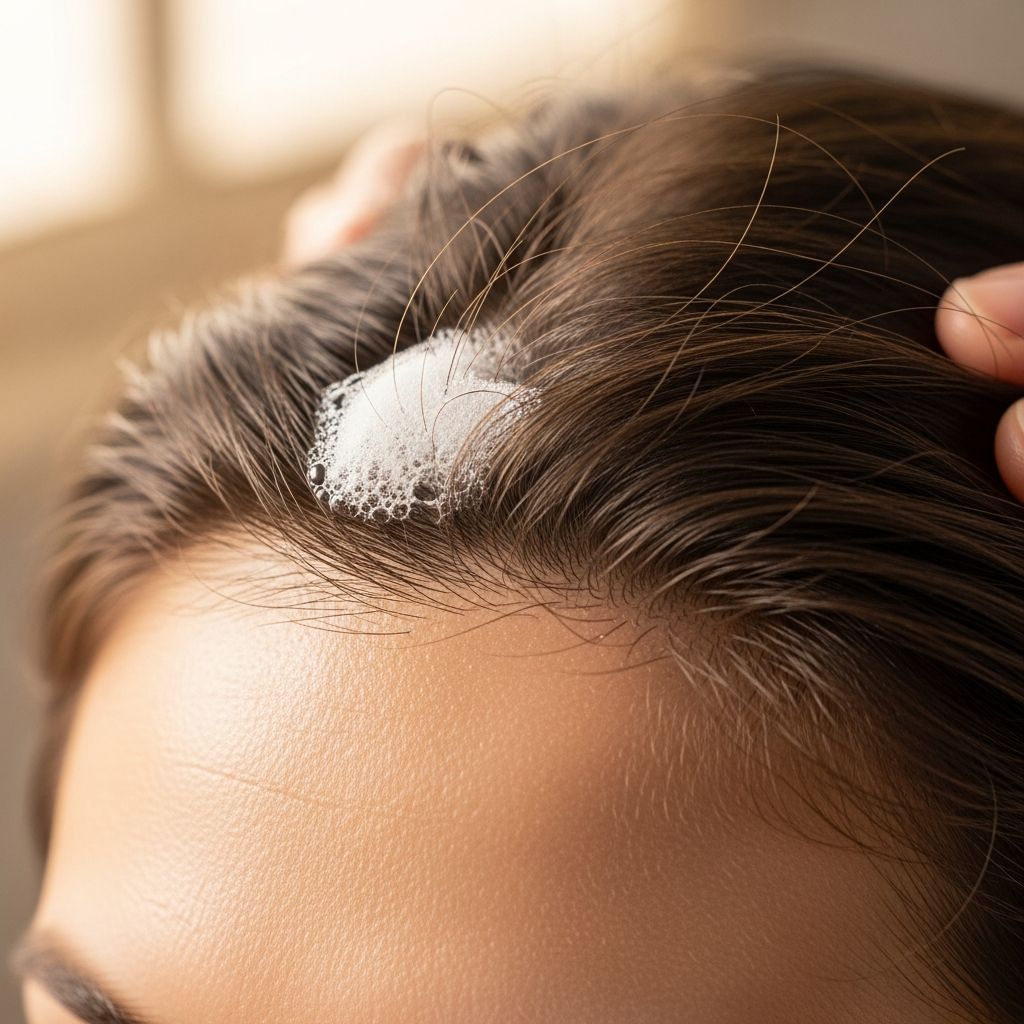
Your scalp is the foundation of healthy hair, yet it’s often overlooked in daily routines. Proper scalp care prevents issues like dandruff, itchiness, dryness, oiliness, and hair thinning while promoting stronger growth. This guide covers everything from identifying your scalp type to professional treatments and natural remedies, drawing on dermatologist insights and research for optimal results.
Why Scalp Care Matters
The scalp, like facial skin, requires regular attention to maintain its barrier function and microbiome balance. A healthy scalp supports hair follicles, enabling steady growth and resilience against damage. Factors such as environment, diet, hygiene, and products influence scalp condition, impacting hair health directly. Ignoring it can lead to inflammation, flaking, or infections like folliculitis from bacterial overgrowth on buildup.
Research highlights that scalp barrier integrity is crucial; disruptions from reactive oxygen species or conditions like seborrheic dermatitis affect hair quality. Ethnicity, grooming practices, and nutrition also play roles, with studies showing protective effects from certain oils like coconut, though results vary.
Signs of an Unhealthy Scalp
Recognizing problems early allows timely intervention. Common indicators include:
- Persistent itching or redness: Signals irritation, sensitivity, or conditions like psoriasis.
- Excessive flaking or dandruff: Often due to seborrheic dermatitis or dry skin.
- Oiliness or greasiness: From overactive sebaceous glands.
- Dryness and tightness: Caused by harsh products or dehydration.
- Hair shedding or thinning: Linked to follicle stress or poor circulation.
- Pain or soreness: May indicate folliculitis or severe inflammation.
Compare healthy vs. unhealthy traits in this table:
| Healthy Scalp | Unhealthy Scalp |
|---|---|
| Even skin tone | Redness or irritation |
| No itchiness | Persistent itching |
| Balanced moisture | Excessively dry or oily |
| Minimal flakes | Dandruff or heavy flaking |
| Steady hair growth | Excessive shedding |
Step 1: Identify Your Scalp Type
Understanding your scalp type is foundational. Wash your hair, wait 24-48 hours, then assess:
- Dry scalp: Feels tight, flaky, itchy; lacks oil shine.
- Oily scalp: Greasy within hours; shiny roots.
- Combination: Oily at crown, dry at ends.
- Sensitive: Reacts to products with redness or stinging.
- Normal: Balanced, comfortable post-wash.
Tailor products accordingly: moisturizing for dry, clarifying for oily, gentle for sensitive.
Daily Scalp Care Routine
Consistency yields results. Follow this routine:
- Gentle cleansing: Use sulfate-free shampoo 2-4 times weekly to avoid stripping oils. Massage in for 1-2 minutes.
- Condition strategically: Apply to mid-lengths/ends, avoiding roots if oily.
- Exfoliate weekly: Remove buildup with mild scrubs containing salicylic acid or enzymes.
- Moisturize: Use serums with glycerin or peptides post-wash.
Avoid hot water, tight hairstyles, and excessive heat styling, which exacerbate issues.
Key Ingredients for Scalp Health
Dermatologists recommend microbiome-friendly, nourishing actives:
- Glycerin: Humectant that hydrates, reducing flaking and improving hair elasticity.
- Peptides (e.g., hydrolyzed yeast protein): Strengthen follicles, promote thickness.
- Omega-3s, zinc, biotin: Via diet or topicals for anti-inflammation.
- Tea tree or salicylic acid: For dandruff control.
- Coconut oil: Penetrates for protection, though efficacy varies.
Related Stories



Scalp Massage Benefits
Daily 5-minute massages boost circulation, distributing nutrients to follicles. Use fingertips in circular motions or tools; add oils like jojoba for dry scalps. Studies indicate increased hair thickness over time.
Prevent and Treat Buildup
Sebum, sweat, products, and dead cells cause buildup, fostering bacteria. Prevent by:
- Clarifying shampoos monthly.
- Avoiding heavy silicones.
- Weekly exfoliation.
For treatment: Vinegar rinses or professional scrubs dissolve residue.
Hydration and Nutrition for Scalp
Internal health reflects externally. Drink 8+ glasses water daily; eat salmon, nuts, greens for vitamins A, C, D, E, zinc. Limit sugar, which disrupts microbiome.
Treating Common Scalp Conditions
Dandruff and Seborrheic Dermatitis
Use antifungal shampoos (ketoconazole); moisturize to prevent rebound dryness.
Dry Scalp
Hydrating shampoos, overnight oils; avoid overwashing.
Oily Scalp
Clarifying formulas; dry shampoos between washes.
Itchiness and Sensitivity
Hypoallergenic products; anti-inflammatory topicals.
Hair Thinning
Minoxidil serums, massages; consult for underlying causes.
For persistent issues, see a dermatologist to rule out psoriasis or infections.
Professional Scalp Treatments
Salon therapies like LED light, microneedling, or customized masks restore balance. They target microbiome, exfoliate deeply, and stimulate growth.
Maintaining Scalp Microbiome
A balanced ecosystem prevents issues. Gentle hygiene, pre/probiotics in products, and diet support beneficial bacteria/fungi.
Frequently Asked Questions (FAQs)
What is the best way to care for your scalp daily?
Gently cleanse 2-4 times weekly, massage, moisturize, and stay hydrated internally.
How do you get rid of scalp buildup?
Exfoliate weekly, use clarifying shampoos, and avoid product overload.
Can scalp care improve hair growth?
Yes, by enhancing circulation and follicle health, reducing shedding.
What causes an itchy scalp?
Dryness, dandruff, buildup, allergies, or conditions like dermatitis.
Is coconut oil good for scalp?
It penetrates hair for protection but may not suit oily scalps.
How often should you exfoliate your scalp?
Once weekly to avoid irritation.
Long-Term Tips for Scalp Health
Incorporate stress reduction, sleep, and seasonal adjustments. Protect from sun/pollution with hats or SPF sprays. Track progress monthly; adjust as needed for sustained vitality.
Scalp care transforms hair health—start today for visible results in weeks.
References
- Insights on the Impact of Scalp Barrier Condition on Hair Health — Journal of Drugs in Dermatology. 2025. https://jddonline.com/articles/individual-article-insights-on-impact-of-scalp-barrier-condition-on-hair-health-S1545961625S32711X
- A Study on Scalp Hair Health and Hair Care Practices among… — NIH/PMC. 2017-07-01. https://pmc.ncbi.nlm.nih.gov/articles/PMC5551307/
- Scalp buildup: Definition, causes, and how to get rid of it — Medical News Today. 2025. https://www.medicalnewstoday.com/articles/scalp-buildup
- Dermatologist’s Top Ingredients for Scalp & Hair Health — Dove (Dermatologist collaboration). 2025. https://www.dove.com/us/en/stories/tips-and-how-to/hair-care-tips-advice/dermatologist-shares-top-ingredients-for-scalp-and-hair-health.html
- How to Maintain Scalp Health: 10 Expert Tips + Fixes — Haste Hair. 2025. https://hastehair.com/maintain-scalp-health/
Similar Articles








Read full bio of medha deb