How to Check for Bed Bugs and What to Do If You Find Them
Learn how to identify, prevent, and eliminate bed bugs with expert-backed strategies and practical tips.
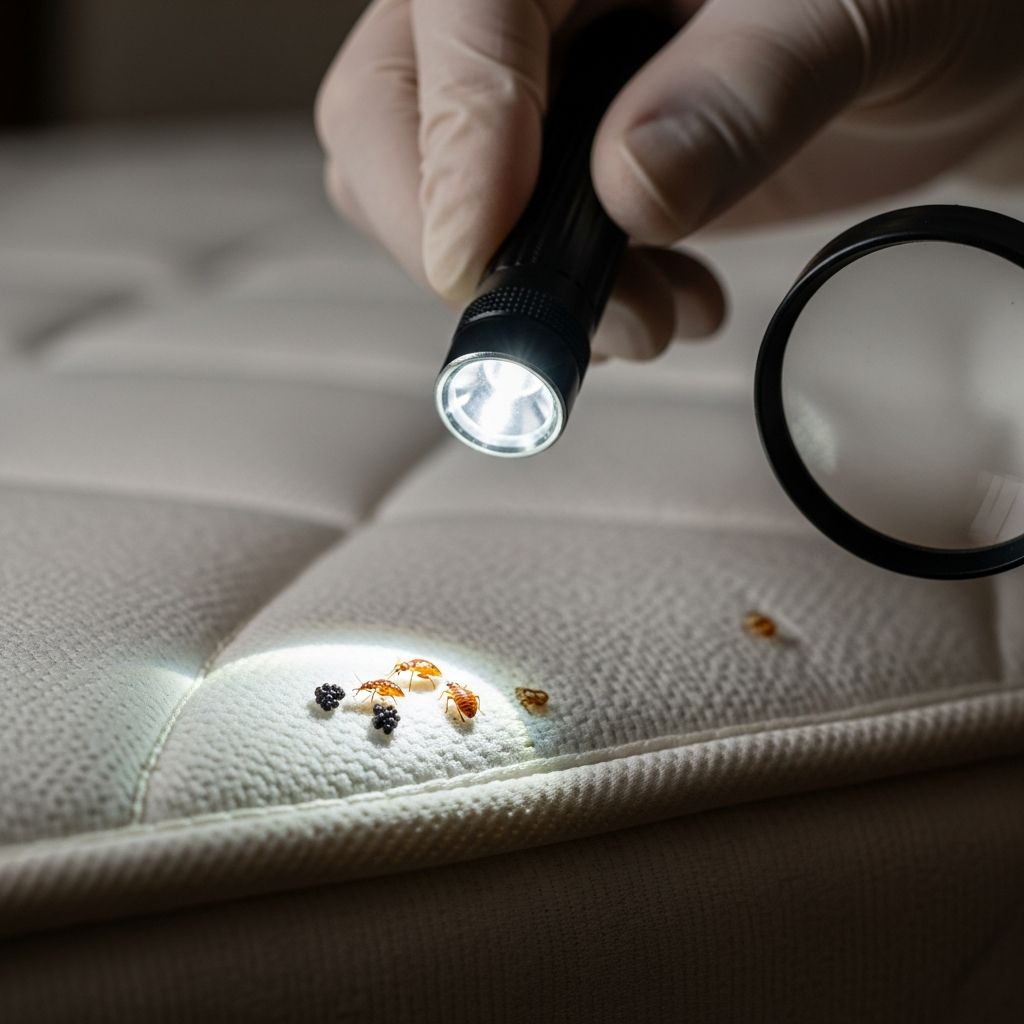
Bed bugs are a common household pest that can cause discomfort, anxiety, and sleepless nights. These small, reddish-brown insects feed on human blood and are most active at night. While they do not transmit diseases, their bites can lead to itching, allergic reactions, and secondary skin infections. Early detection and prompt action are crucial to prevent a minor infestation from becoming a major problem. This guide will walk you through how to check for bed bugs, recognize the signs of infestation, and take effective steps to eliminate them from your home.
Signs of Bed Bug Infestation
Recognizing the signs of a bed bug infestation is the first step in addressing the problem. Bed bugs are small, flat, and oval-shaped, typically about the size of an apple seed. They are reddish-brown in color and become darker after feeding. Here are some common signs to look for:
- Visible bugs: Adult bed bugs, nymphs (young bed bugs), and eggs can be seen with the naked eye. They are often found in mattress seams, box springs, bed frames, and headboards.
- Bite marks: Bed bug bites often appear as small, red, itchy welts, usually in a line or cluster. However, bites alone are not a reliable indicator, as other insects and skin conditions can cause similar reactions.
- Fecal spots: Small, dark spots on bedding, mattresses, or furniture are bed bug feces. These spots are often found near where bed bugs hide.
- Shed skins: Bed bugs molt as they grow, leaving behind pale, translucent exoskeletons.
- Blood stains: Small blood stains on sheets or pillowcases may indicate bed bug activity.
- Musty odor: A sweet, musty odor may be present in heavily infested areas.
How to Check for Bed Bugs
Regular inspections are essential for early detection of bed bugs. Here’s how to conduct a thorough check:
Visual Inspection
Visual inspections are the most common method for detecting bed bugs. Focus on areas where bed bugs are likely to hide:
- Inspect mattress seams, box springs, bed frames, and headboards.
- Check behind headboards, baseboards, and wall hangings.
- Examine cracks and crevices in furniture, flooring, and walls.
- Look for signs of bed bugs in upholstered furniture, curtains, and carpets.
Use a flashlight and a magnifying glass to help spot small bugs and eggs. Pay close attention to dark, hidden areas where bed bugs are likely to hide.
Bed Bug Monitors
Bed bug monitors, such as interceptor cups, can help detect and trap bed bugs. These devices are placed under bed legs and furniture to catch bed bugs as they move. Interceptor cups are highly effective and can increase the detection rate when used in combination with visual inspections.
Canine Detection
Specially trained and certified bed bug detection dogs can significantly improve the ability to detect bed bugs, especially in large or complex environments. These dogs are used by pest control companies and can identify bed bugs with a high degree of accuracy.
What to Do If You Find Bed Bugs
Related Stories



If you discover bed bugs in your home, it’s important to act quickly to prevent the infestation from spreading. Here are the steps you should take:
Confirm the Infestation
Proper identification is crucial before starting any treatment. Bed bugs are sometimes mistaken for other household pests, such as ticks, fleas, or carpet beetles. If you’re unsure, consider sending a specimen to a pest control expert for identification.
Prepare the Room for Treatment
Preparation is essential for successful bed bug management. Follow these steps:
- Remove clutter and unnecessary items from the infested area.
- Wash and dry all bedding, clothing, and linens on the highest heat setting possible.
- Seal infested items in plastic bags to prevent the spread of bed bugs.
- Repair cracks and crevices in walls and furniture to reduce hiding places.
Integrated Pest Management (IPM)
Integrated Pest Management (IPM) is a comprehensive approach that combines mechanical, chemical, and preventive methods to control bed bugs. IPM programs are more effective and efficient than relying on chemical control alone. Key components of IPM include:
- Surveillance: Regular monitoring to detect and evaluate infestation levels.
- Mechanical control: Vacuuming, steam cleaning, and heat treatment to eliminate bed bugs.
- Chemical control: Use of insecticides in targeted areas, following label instructions and safety guidelines.
- Preventive measures: Sealing cracks, reducing clutter, and using bed bug monitors.
Heat Treatment
Heat treatment is an effective and quick method to control bed bugs. Commercial heating services can treat infested items or rooms using portable heaters and fans. Recommendations for treatment efficacy include heating the room to at least 140°F for two hours or 130°F for three hours. If humidity can be controlled, 20-30 percent humidity in combination with 130°F can kill eggs, nymphs, and adults in 30 minutes.
Chemical Control
Chemical control is the most common approach to managing bed bug infestations. However, relying on insecticides alone can lead to resistance and may require a greater amount of product. Labels often prohibit the use of insecticides on certain areas, such as mattresses and couches, due to the risk of direct contact. IPM programs that combine chemical and mechanical approaches are more effective and require fewer pesticide applications.
Prevention Tips
Preventing bed bug infestations is easier than dealing with an established problem. Here are some tips to help keep bed bugs out of your home:
- Regularly check your mattress and sleeping/resting areas for signs of bed bugs.
- Inspect secondhand furniture and bedding before bringing them into your home.
- When traveling, check your hotel room for signs of bed bugs and inspect your luggage upon returning home.
- Use bed bug monitors around your bed to catch an infestation early.
- Reduce clutter and seal cracks and crevices to minimize hiding places.
FAQs
Can bed bugs spread diseases?
Bed bugs do not transmit diseases, but their bites can cause itching, allergic reactions, and secondary skin infections.
How do I know if I have bed bugs?
Look for visible bugs, bite marks, fecal spots, shed skins, blood stains, and a musty odor. If you’re unsure, consider sending a specimen to a pest control expert for identification.
What should I do if I find bed bugs?
Confirm the infestation, prepare the room for treatment, and consider using an IPM approach that combines mechanical, chemical, and preventive methods.
Can I treat bed bugs myself?
Do-it-yourself pest control for bed bugs has a low probability of success. It’s best to consult a pest control professional for effective treatment.
How can I prevent bed bugs?
Regularly check your mattress and sleeping areas, inspect secondhand items, use bed bug monitors, and reduce clutter.
References
- Biology, Habitat, and Management of Bed Bugs — Penn State Extension. 2023. https://extension.psu.edu/biology-habitat-and-management-of-bed-bugs/
- What You Should Know About Bed Bugs — USC Housing. 2023. https://housing.usc.edu/index.php/publication/what-you-should-know-about-bedbugs-pdf/
- Bed Bugs Report — Boston.gov. 2023. https://www.boston.gov/sites/default/files/embed/b/bed-bugs-report.pdf
- BED BUGS — Missouri Department of Health and Senior Services. 2018. http://health.mo.gov/living/healthcondiseases/communicable/bedbugs/pdf/brochure.pdf
- Bed Bugs — Maine.gov. 2023. https://www.maine.gov/dacf/php/gotpests/bugs/documents/bed-bug-harvard.pdf
- Bed Bugs — California Department of Public Health. 2023. https://www.cdph.ca.gov/Programs/CID/DCDC/pages/bedbugs.aspx
Similar Articles








Read full bio of Sneha Tete