How To Choose A Pineapple: 5 Expert Ripeness Checks
Master the art of selecting the ripest, sweetest pineapple with expert tips on color, smell, texture, and more for juicy perfection every time.
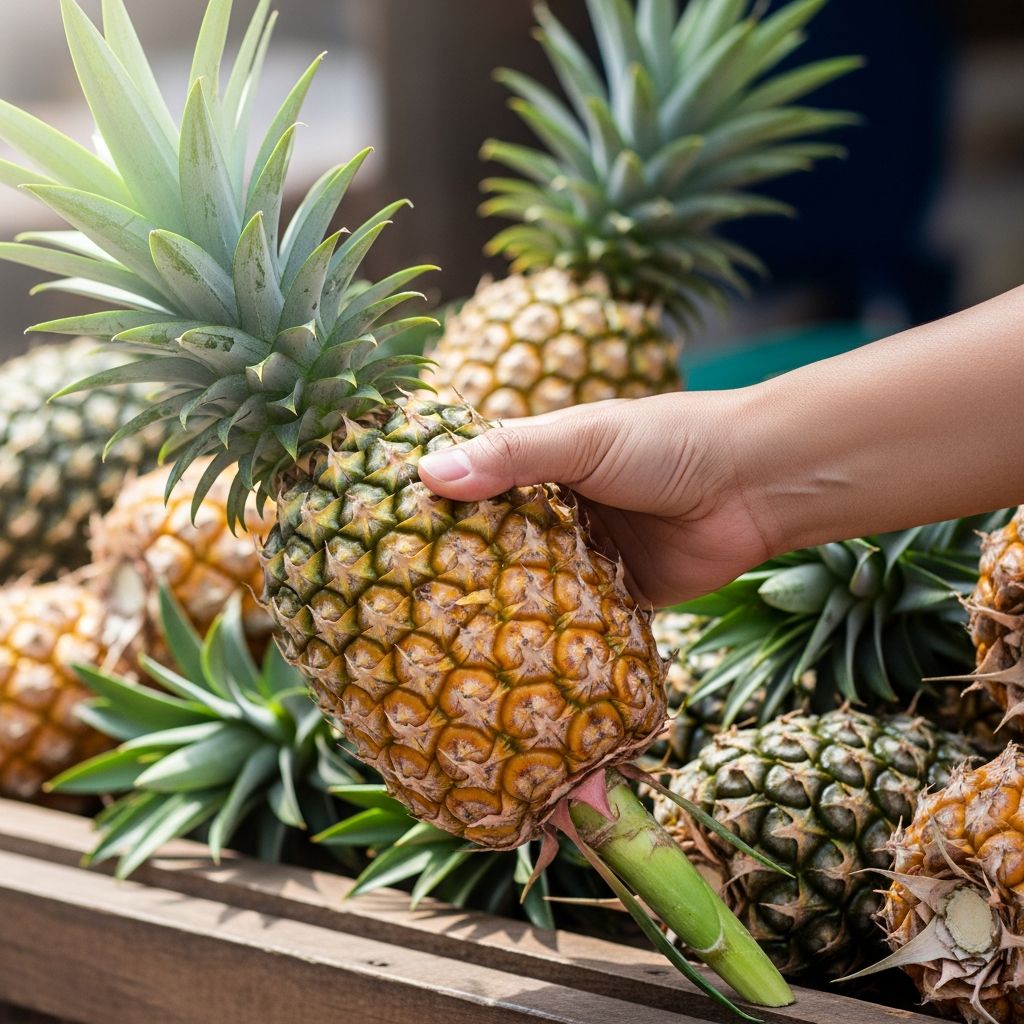
Selecting the perfect pineapple can transform a simple grocery trip into a triumph of flavor. Unlike apples or bananas that ripen after purchase, pineapples stop ripening once picked, making it crucial to choose wisely at the store. A ripe pineapple delivers juicy, sweet flesh packed with
vitamin C
,manganese
, andbromelain
—an enzyme aiding digestion. This guide covers everything from visual cues and sensory checks to storage tips and FAQs, ensuring you always bring home the best fruit.Why Pineapple Ripeness Matters
Pineapple ripeness directly impacts taste, texture, and nutrition. Ripe ones are sweeter with lower acidity, offering a tropical burst ideal for snacks, salads, or grilling. Underripe pineapples taste starchy and sour, while overripe ones turn mushy or fermented. Since they don’t ripen post-harvest, focus on these key indicators: color shifts from green to golden-yellow, healthy leaves, sweet aroma, optimal weight, and slight give under pressure. Mastering these helps avoid waste and maximizes enjoyment.
1. Check the Color
**Color** is your first clue to ripeness. Look for pineapples with a
greenish-yellow hue
, starting yellow at the base and transitioning upward. Fully green suggests underripeness, though some varieties stay green when ripe. Avoid entirely dark green, deep orange, or overly dark yellow fruits, as they may be immature or past prime.- Ideal: Golden-yellow base expanding upward, indicating sugar conversion and reduced acidity.
- Good sign: Vibrant green skin with yellow patches—ripe and fresh.
- Skip: Uniform green (too acidic) or brownish spots (overripe).
Farmers note that more yellow means sweeter flavor due to milder acidity, enhancing palatability.
2. Inspect the Leaves (Crown)
The
crown
—those spiky green leaves—signals freshness. Healthy, firm, bright green leaves mean the pineapple is recently harvested. Gently tug a center leaf; easy removal without resistance indicates ripeness.- Prime: Crisp, vibrant green fronds, possibly with minor brown tips.
- Healthy test: Pull one leaf—it should detach smoothly from a ripe fruit.
- Avoid: Wilted, brown, dry, or mostly fallen leaves, signaling age.
Produce experts confirm many browning leaves mean the fruit has sat too long, compromising quality.
3. Smell the Base
A
sweet, tropical aroma
at the bottom stem end screams ripeness. Sniff the base: pineapple scent means juicy sweetness ahead. No smell? Underripe. Fermented, vinegary, or sour notes? Overripe and likely spoiled.- Perfect: Fruity, inviting pineapple perfume.
- Warning: Alcohol-like or off odors indicate fermentation.
This sensory check, endorsed by farmers, reliably predicts flavor without cutting open the fruit.
4. Assess the Weight
Pick up the pineapple—**heavy for its size** signals juiciness and ripeness. Heavier fruits pack more moisture and sugars, yielding better flavor. Compare similar-sized pineapples; the heftiest wins.
- Why it works: More juice equals more weight and sweetness.
- Pro tip: A dense feel often correlates with superior taste.
Studies on fruit density support this: heavier pineapples have higher juice content.
5. Test the Texture and Firmness
Gently
squeeze
the shell: ripe pineapples feel firm yet yield slightly, like a ripe peach. Too rock-hard? Immature. Mushy or soft spots? Overripe.Related Stories



- Ideal texture: Firm shell with subtle give, no dents.
- Check base: Yellow with minimal green; avoid slimy or dull skin.
- Bonus: Smooth, unblemished eyes (the diamond patterns).
Press gently—slight softness means peak ripeness without bruising.
What to Avoid When Choosing a Pineapple
Steer clear of these red flags to ensure quality:
- **Mold** on the base or skin.
- **Dark soft spots**, bruises, or cuts—entry points for rot.
- **Leaking juices**—sign of overripeness.
- **Fermented smell** or vinegar odor.
- **Excessive brown/dried leaves** or wilted crown.
External damage reduces shelf life and flavor, per produce professionals.
How to Store Pineapple
Whole ripe pineapples last 2–5 days at room temperature or up to a week in the fridge (loosely wrapped). Cut pieces store in an airtight container for 3–5 days; freeze chunks for smoothies (up to 10 months). Avoid refrigerating unripe ones—they won’t sweeten.
| Storage Method | Duration | Tips |
|---|---|---|
| Whole, room temp | 2–5 days | Keep in cool, ventilated spot. |
| Whole, fridge | 5–7 days | Loose wrap to prevent moisture buildup. |
| Cut, fridge | 3–5 days | Airtight container; consume quickly. |
| Frozen chunks | Up to 10 months | Blanch first for best texture. |
How to Cut a Pineapple
Follow these steps for safe, efficient cutting:
- Cut off the crown and base with a sharp knife.
- Stand upright; slice off skin in strips, following contours.
- Remove “eyes” with a paring knife or scooper.
- Core the center, then slice into rings, wedges, or chunks.
- Tips: Use a pineapple corer for ease; wear gloves to avoid sap irritation.
This yields perfect pieces for eating fresh or recipes.
Health Benefits of Pineapple
Beyond taste, pineapple boosts health:
Vitamin C
(immune support, 131% DV per cup),manganese
(bone health), potassium (blood pressure), and bromelain (anti-inflammatory, digestion aid). Low-calorie (82 per cup) with fiber for satiety.- Antioxidants fight free radicals.
- Bromelain may reduce swelling post-surgery.
- Hydrating and refreshing summer fruit.
Frequently Asked Questions (FAQs)
Can pineapples ripen after being picked?
No, pineapples are non-climacteric—they don’t ripen post-harvest. Select ripe ones at purchase.
What does a ripe pineapple smell like?
Sweet and tropical at the base. Avoid sour or fermented scents.
How heavy should a ripe pineapple feel?
Heavy for its size, indicating juiciness and sweetness.
Are green pineapples ever ripe?
Yes, some varieties remain green; check other signs like smell and texture.
How do I store cut pineapple?
In an airtight container in the fridge for 3–5 days; freeze for longer.
Final Tips for Pineapple Perfection
Combine all checks—color, leaves, smell, weight, texture—for best results. Shop mid-week for fresher stock, and experiment with varieties like Golden or Smooth Cayenne. With practice, you’ll spot winners effortlessly, enjoying this tropical delight at its peak.
References
- How to Pick a Pineapple: 5 Simple Tips — Healthline. 2019-10-17. https://www.healthline.com/nutrition/how-to-pick-a-pineapple
- How to Pick a Pineapple: Fresh Fruit Selection Tips — FreeRx.com. 2024-10-04. https://freerx.com/Blog/Details?s=%09How-Pick-Pineapple%09
- I asked 3 farmers how to pick the sweetest pineapple — Fresh Del Monte. Recent (2023+). https://freshdelmonte.com/news/how-to-pick-sweetest-pineapple/
- Pick Your Produce Pineapple ~ How To Choose — YouTube (Produce Tips). Recent. https://www.youtube.com/watch?v=KNu1-J47uug
- The health benefits of pineapple, plus how to cut it — HealthyFood.com. Recent. https://www.healthyfood.com/advice/the-health-benefits-of-pineapple-plus-how-to-cut-it/
Similar Articles








Read full bio of medha deb