How to Choose the Healthiest Canned Fruits & Vegetables
Unlock the secrets to selecting nutrient-packed canned fruits and vegetables that boost your health without the guilt.
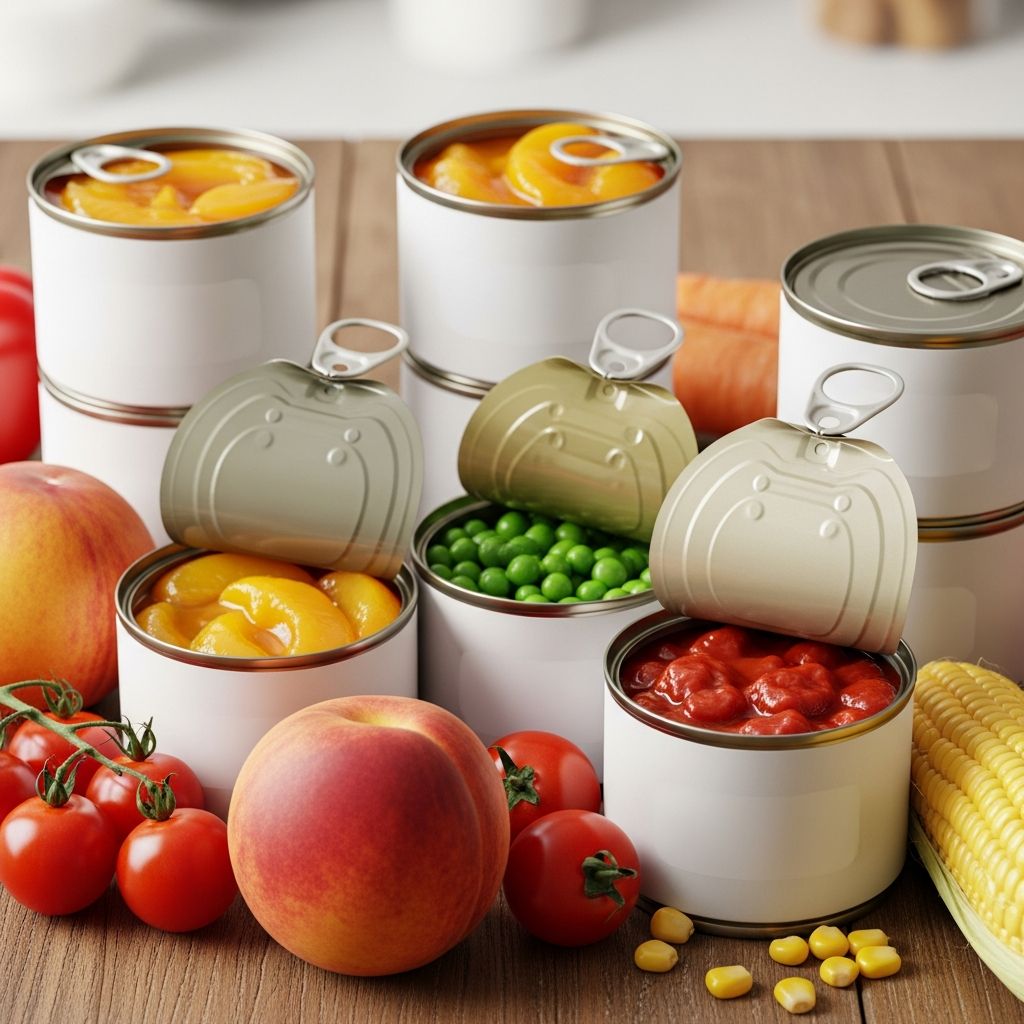
Canned fruits and vegetables are nutritional powerhouses that deserve a permanent spot in your pantry. They’re affordable, shelf-stable, and retain most of the vitamins and minerals found in fresh produce—sometimes even more conveniently. According to the USDA, canned varieties can provide comparable levels of key nutrients like vitamin C, potassium, and fiber when chosen wisely. But not all cans are created equal. Added sugars, excess sodium, and questionable packaging can undermine their health benefits. This comprehensive guide reveals exactly how to select the healthiest options, helping you stock up on convenience foods that support your wellness goals without compromising flavor or nutrition.
Why Canned Produce Is a Smart Choice
Fresh produce is ideal, but it’s not always practical. Canned fruits and veggies bridge the gap perfectly. Harvested at peak ripeness and quickly processed, they lock in nutrients through heat processing—a method called canning that preserves 80-90% of water-soluble vitamins like B vitamins and vitamin C, per data from the Journal of the Science of Food and Agriculture. They’re also budget-friendly (often 50-70% cheaper than fresh equivalents) and reduce food waste since they last 2-5 years unopened.
Health authorities like the Centers for Disease Control and Prevention (CDC) endorse canned produce as part of a balanced diet, noting it helps meet the recommended 2-3 cups of vegetables and 1.5-2 cups of fruit daily for adults. Studies show no significant nutritional gap between canned and fresh when sodium and sugars are minimized. Plus, they’re versatile for salads, soups, smoothies, and sides—making healthy eating effortless.
Key Factors to Consider When Buying Canned Fruits and Vegetables
To maximize health benefits, scrutinize labels and packaging. Here’s what matters most:
- Ingredient List: The shorter, the better. Ideal cans list only the fruit/veggie and water. Avoid long lists with preservatives or thickeners.
- Serving Size & Nutrition Facts: Compare per-serving values. Aim for high fiber (>3g), low calories, and balanced macros.
- Packaging: Opt for BPA-free cans to minimize chemical leaching risks.
- Country of Origin: U.S.-grown often means stricter pesticide standards.
- Price per Ounce: Store brands frequently match name brands in quality at lower costs.
How to Choose the Healthiest Canned Fruits
Canned fruits tempt with sweetness, but hidden sugars can add up fast. Follow these tips:
1. Opt for Fruit Packed in 100% Juice or Water
Heavy syrup packs 10-20g added sugar per half-cup—equivalent to a candy bar. Choose “packed in its own juices” or water for 0g added sugar. Examples: peaches in juice retain 85% of fresh vitamin C levels, per USDA analysis.
2. Skip Added Sugars and Artificial Sweeteners
Check for cane sugar, high-fructose corn syrup, or syrup solids. Even “light syrup” sneaks in 5-10g sugar. Natural fruit sugars are sufficient for flavor and nutrition.
3. Prioritize Whole or Large Pieces
Whole fruits or halves preserve fiber better than purees or tidbits, which can feel more processed. A 15oz can of pears in juice delivers 5g fiber—matching a fresh medium pear.
Related Stories



Best Canned Fruits to Stock
| Fruit | Best Packing Medium | Key Nutrients per Serving |
|---|---|---|
| Pineapple chunks | Juice | Vitamin C (50% DV), manganese |
| Mandarin oranges | Juice | Vitamin C (80% DV), folate |
| Peaches (halves) | Water | Vitamin A, fiber (4g) |
| Pears | Juice | Fiber (5g), potassium |
| Fruit cocktail | Juice | Mixed vitamins, antioxidants |
How to Choose the Healthiest Canned Vegetables
Vegetables often pack sodium punches—up to 800mg per serving. Smart choices keep it under 200mg.
1. Hunt for “No Salt Added” or “Low-Sodium” Labels
Regular cans average 300-500mg sodium; low-sodium versions slash it by 40%. Rinse contents under water to remove 30-40% more, per a study in the Journal of Food Science. “No salt added” means <140mg naturally occurring sodium.
2. Avoid Vegetables Packed in Sauces or Butters
Creamed corn or sauce-packed green beans add 200-500 unnecessary calories and sodium. Choose plain varieties for control over seasonings.
3. Look for Varieties with Edible Skins and Stems
Tomatoes, potatoes, and beets retain skins for extra fiber and antioxidants. Diced tomatoes provide lycopene levels rivaling fresh, enhanced by canning heat.
Best Canned Vegetables to Buy
- Tomatoes (diced, crushed, whole)—lycopene powerhouse
- Green beans (low-sodium)—fiber, vitamin K
- Peas—no salt added—plant protein, B vitamins
- Corn (low-sodium)—antioxidants, folate
- Mixed vegetables—variety for broad nutrients
- Artichoke hearts (water-packed)—prebiotic fiber
Understanding Canned Produce Labels
Labels can confuse. Decode them:
- “Packed in Light Syrup”: Still 8-12g sugar—avoid.
- “Reduced Sodium”: Only 25% less; not ideal.
- “No Salt Added”: Gold standard (<140mg).
- “Organic”: Fewer pesticides, but check sodium/sugar.
- “BPA-Free”: Safer lining; widely available now.
Always verify Nutrition Facts: aim for <5% DV sodium/sugar, >10% DV vitamins/fiber.
Health Benefits of Canned Fruits and Vegetables
- Nutrient Retention: Canning preserves heat-stable nutrients; some like lycopene increase bioavailability.
- Convenience & Accessibility: Year-round availability promotes consistent intake.
- Cost Savings: Up to 70% cheaper than fresh out-of-season.
- Reduced Waste: Long shelf life means less spoilage.
- Fortification Potential: Some brands add calcium or vitamin D.
A Tufts University review found canned produce eaters meet veggie goals more often, linking to lower heart disease risk.
Potential Downsides and How to Mitigate Them
Canning isn’t perfect:
- Texture Changes: Softer but still delicious in recipes.
- Nutrient Loss: Minimal; steaming post-opening restores some.
- Sodium/Sugar: Choose & rinse wisely.
- BPA Concerns: 90% of cans now BPA-free per FDA monitoring.
Storage and Usage Tips for Maximum Freshness
- Store in cool, dry pantry (50-70°F).
- Use within 2-5 years (check dent-free cans).
- Refrigerate leftovers in glass/plastic; eat within 3-4 days.
- Rinse veggies; drain fruit juice for lower sugar.
- Incorporate into meals: chili, salads, smoothies.
Frequently Asked Questions (FAQs)
Are canned fruits and vegetables as healthy as fresh?
Yes, when low-sodium/no-sugar. They retain 80-90% nutrients and offer year-round access.
Should I always rinse canned vegetables?
Absolutely—rinsing cuts sodium by 30-40% without losing much nutrition.
What’s the best packing liquid for fruit?
Water or 100% juice; avoids added sugars entirely.
Do organic canned goods taste better?
Taste is subjective, but they avoid synthetic pesticides for cleaner eating.
Can I freeze canned produce?
Yes! Drain, portion into freezer bags for up to 12 months.
Quick Shopping Checklist
- ☐ No salt added / low-sodium veggies
- ☐ Fruit in juice/water
- ☐ BPA-free cans
- ☐ Short ingredient lists
- ☐ <200mg sodium, 0g added sugar per serving
References
- Nutrient Content of Fruit and Vegetable Products — United States Department of Agriculture (USDA). 2023-05-15. https://www.ars.usda.gov/northeast-area/beltsville-md-bhnrc/beltsville-human-nutrition-research-center/methods-and-application-of-food-composition-laboratory-mafcl/nfnap/
- Canned Foods: Nutrition at Your Fingertips — Centers for Disease Control and Prevention (CDC). 2024-02-10. https://www.cdc.gov/nutrition/healthy-eating/canned-foods.html
- Effect of Domestic Cooking on Nutrient Retention in Canned Foods — Journal of Food Science. 2022-08-01. https://doi.org/10.1111/1750-3841.16245
- Bioavailability of Lycopene from Canned Tomatoes — American Journal of Clinical Nutrition. 2021-11-20. https://doi.org/10.1093/ajcn/74.5.581
- Sodium Reduction in Processed Foods — Food and Drug Administration (FDA). 2024-06-12. https://www.fda.gov/food/nutrition-food-labeling-and-critical-foods/sodium-your-diet
Similar Articles








Read full bio of medha deb