How to Choose the Healthiest Cottage Cheese
Navigate cottage cheese labels to pick the healthiest option packed with protein, low in sodium, and free from additives for optimal nutrition.
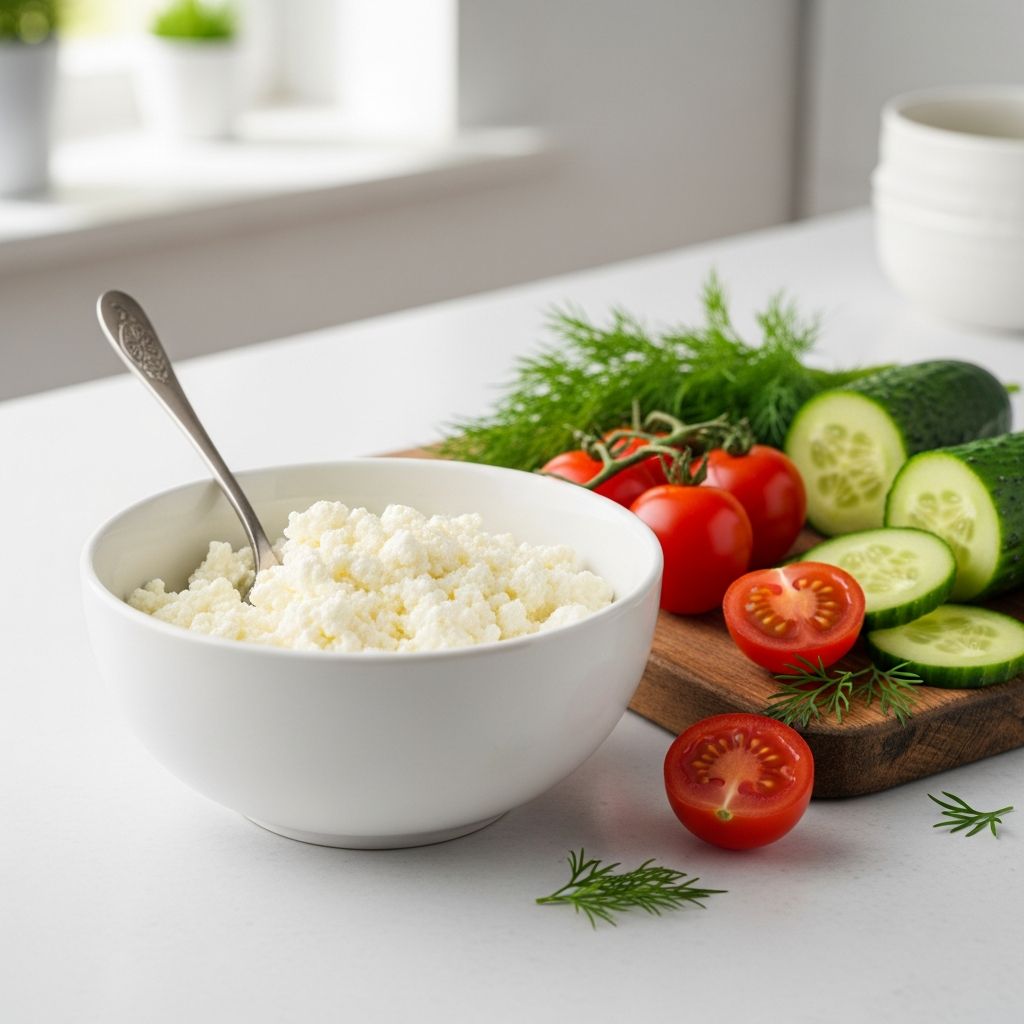
Cottage cheese stands out as a versatile, protein-rich food ideal for snacks, meals, or recipes, offering essential nutrients like calcium and probiotics when chosen wisely.
Selecting the healthiest option involves scrutinizing nutrition labels for fat quality, sodium content, additives, and certifications to align with dietary goals.
With surging popularity—sales up 28% from 2021 to 2022 per Progressive Grocer—cottage cheese provides 14–25 grams of protein per half-cup serving across varieties, supporting muscle health and satiety. However, not all brands deliver equal nutrition; some pack hidden sodium or stabilizers that undermine benefits.
What Is Cottage Cheese, Exactly?
Cottage cheese is a fresh cheese made by curdling milk with acid or rennet, then draining whey to form soft curds suspended in cream.
This simple process yields high-moisture curds (80–90% water), distinguishing it from aged hard cheeses.
Traditionally, it uses cow’s milk, but lactose-free or plant-based versions exist for broader accessibility. A standard serving delivers complete protein with all essential amino acids, plus B vitamins, phosphorus, and selenium. Opt for varieties with live active cultures for probiotic perks aiding digestion.
- Curds form via coagulation, mimicking cheese-making basics.
- Cream addition controls fat content: nonfat (0%), low-fat (1–2%), or full-fat (4%).
- Small vs. large curds affect texture but not core nutrition.
Health Benefits of Cottage Cheese
**Cottage cheese excels as a nutrient-dense, low-calorie powerhouse promoting weight management, bone health, and gut wellness.** A half-cup of 2% low-fat offers ~90 calories, 12–14g protein, and 3–4g carbs, curbing hunger effectively.
Casein protein digests slowly, stabilizing blood sugar and aiding overnight muscle repair. Calcium (10–15% DV) and phosphorus bolster bones, while potassium supports heart rhythm. Studies link high-protein dairy like cottage cheese to reduced obesity risk and improved body composition.
| Nutrient (per ½ cup, 2% fat) | % Daily Value |
|---|---|
| Protein | 25% |
| Calcium | 10–15% |
| Sodium | 20–30% (varies) |
| Calories | ~90 |
Probiotic strains in cultured varieties enhance microbiome diversity, potentially easing IBS symptoms per NIH research.
How to Read a Cottage Cheese Nutrition Label
**Prioritize labels listing ‘milk,’ ‘cream,’ ‘salt,’ and ‘cultures’—short lists signal purity.** Scan serving size (typically ½ cup or 113g), then protein (aim 12g+), total fat (<5g for low-fat), and sodium (<300mg).
Ingredients first: Avoid gums (guar, locust bean), starches, or preservatives like sorbic acid, which may indicate watery bases needing thickeners. Check for ‘live active cultures’ for gut benefits. Full-fat suits keto diets; low-fat fits calorie control.
- Protein: 14–25g per serving ideal.
- Sodium: Under 300mg; low-sodium <200mg.
- Fat: 2–4% milkfat balances creaminess and leanness.
- Additives: Shun if possible for clean eating.
Healthiest Types of Cottage Cheese
**Low-fat (1–2%) or nonfat with live cultures tops health picks, delivering protein without excess calories or sodium.** Full-fat (4%) offers satiety for low-carb plans but monitor portions.
Organic or grass-fed elevate with better omega-3s and CLA for anti-inflammatory effects. Lactose-free suits intolerants via lactase addition. Small-curd provides creamier texture without nutrition shift.
| Type | Calories (½ cup) | Protein | Sodium | Best For |
|---|---|---|---|---|
| Nonfat (0%) | 80 | 14g | 400–500mg | Weight loss |
| Low-fat (1–2%) | 90–100 | 12–14g | 300–400mg | Balanced diet |
| Full-fat (4%) | 110 | 13g | 350–450mg | Keto/low-carb |
Related Stories



Per USDA data, low-fat minimizes saturated fat while retaining nutrients.
5 Tips for Choosing the Healthiest Cottage Cheese
- Opt for low sodium: <300mg per serving prevents bloat and hypertension risk.
- Choose live active cultures: Boosts probiotics for immunity and digestion.
- Select simple ingredients: Milk, cream, salt only—no gums or fillers.
- Pick organic/grass-fed: Higher nutrient density, fewer hormones.
- Go low-fat unless bulking: Cuts calories without slashing protein.
4 Healthiest Cottage Cheese Brands
Based on taste tests and nutrition from sources like Chowhound and Delish, these excel in clean profiles.
- Good Culture 2%: Top-rated for organic milk, live cultures, sea salt only. Creamy, tangy; 19g protein, 230mg sodium per ½ cup. No gums/preservatives.
- Daisy 2%: Pure ingredients (milk, cream, salt); consistent texture, 13g protein, 400mg sodium. Dependable, no additives.
- Organic Valley 2%: Organic, well-rounded flavor; firm curds, live cultures. ~14g protein, balanced nutrition.
- Breakstone’s 2% Low-Sodium: 45% less sodium (200mg), short list minus excess carbs. Varied curd sizes for texture.
4 Worst Cottage Cheese Brands to Avoid
Steer clear of high-sodium, additive-heavy options lacking cultures.
- Publix 1%: Affordable but bland, higher sodium without standout nutrition.
- Great Value 1%: Cheap, watery texture; basic but unremarkable profile.
- Friendship Dairies 1%: Regional, saltier; some varieties lack appeal.
- Lactaid Lactose-Free: Functional for intolerants but poor flavor/texture.
Healthiest Cottage Cheese, According to a Dietitian
Dietitians recommend
Good Culture or Daisy low-fat with cultures
for optimal protein-to-sodium ratio. Per Academy of Nutrition, pair with fruits/veggies for balanced snacks. Avoid flavored for sugar spikes.Frequently Asked Questions (FAQs)
Is full-fat or low-fat cottage cheese healthier?
Low-fat suits calorie control; full-fat aids absorption of fat-soluble vitamins. Choose per goals—both nutritious if low-sodium.
Does all cottage cheese have probiotics?
No—seek ‘live active cultures’ on label for benefits.
Is cottage cheese good for weight loss?
Yes, high protein promotes fullness; studies show dairy aids fat loss.
Can I eat cottage cheese every day?
Moderation key due to sodium; 1–2 servings daily fine for most.
What’s the best low-sodium cottage cheese?
Breakstone’s 2% or Good Culture varieties under 250mg.
References
- Cottage Cheese Brands, Ranked Worst To Best — Chowhound. 2024-05-15. https://www.chowhound.com/1692079/best-worst-cottage-cheese-brands/
- Cottage Cheese Brands Ranked From Worst To Best — The Takeout. 2024-08-20. https://www.thetakeout.com/1926946/cottage-cheese-brands-ranking-worst-best/
- Blind-Tasted 7 Cottage Cheese Brands & The Winner Is — Delish. 2024-10-10. https://www.delish.com/food/a65290671/cottage-cheese-taste-test/
- Nutrient Database for Standard Reference — USDA FoodData Central. 2025-01-01. https://fdc.nal.usda.gov/
Similar Articles








Read full bio of Sneha Tete