How To Choose The Right Sunscreen: Comprehensive Guide For 2025
Expert guide to selecting the perfect sunscreen for UVA/UVB protection, skin type, and daily use to prevent skin cancer and aging.
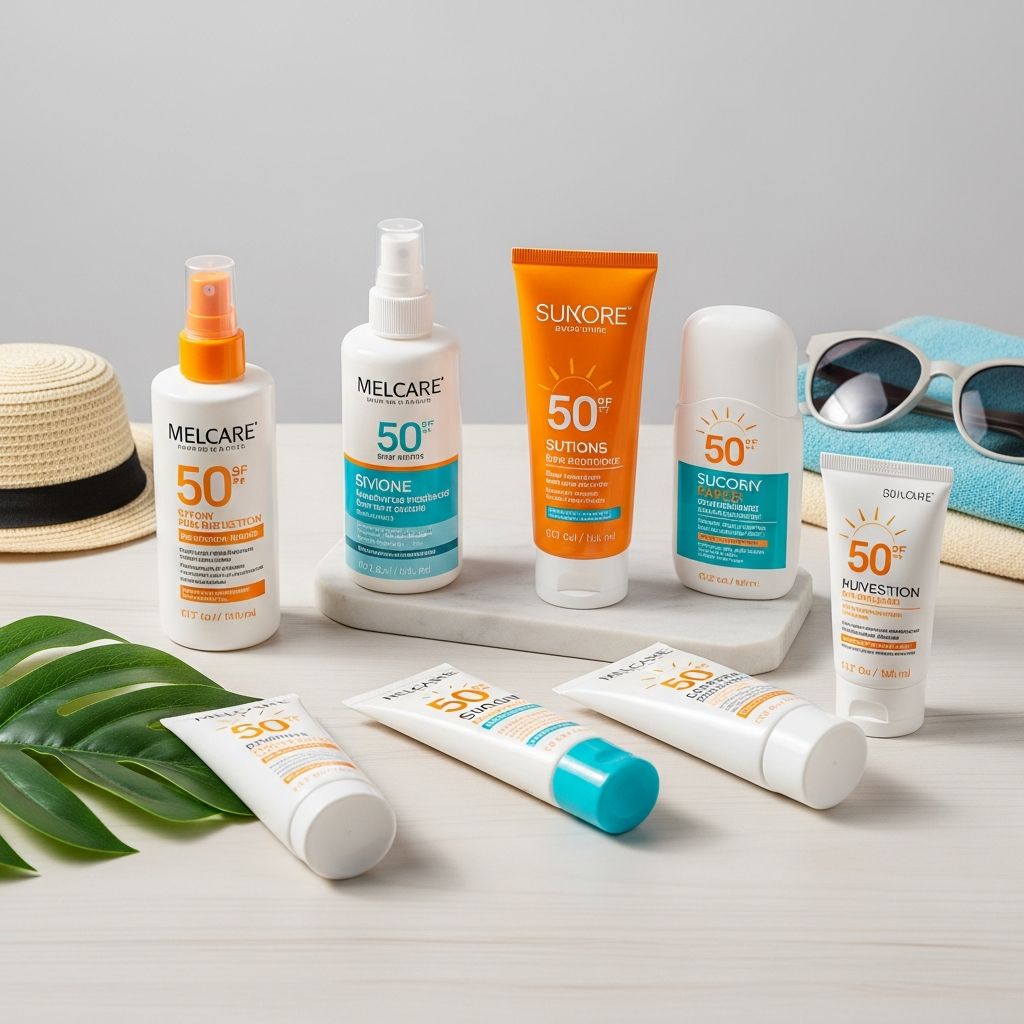
Sunscreen is essential for protecting skin from ultraviolet (UV) radiation, which causes sunburn, skin cancer, and premature aging. Selecting the right product involves understanding SPF, broad-spectrum coverage, active ingredients, and suitability for your skin type and activities.
Why Sunscreen Matters
UV radiation from the sun consists of UVA rays, which penetrate deeply causing tanning, wrinkles, and skin cancer, and UVB rays, which primarily cause sunburn but also contribute to cancer risk. Regular use of broad-spectrum sunscreen with SPF 30 or higher, as directed, reduces squamous cell carcinoma risk by about 40% and melanoma by 50%, while preventing photoaging like wrinkles and age spots.
The American Academy of Dermatology (AAD) recommends daily SPF 30+ broad-spectrum sunscreen for everyone, combined with protective clothing, hats, shade-seeking, and avoiding tanning beds. FDA advises broad-spectrum SPF 15+ minimum, emphasizing that higher SPF (up to 50) offers greater sunburn protection, primarily against UVB.
Understanding SPF and Broad-Spectrum Protection
**SPF (Sun Protection Factor)** measures protection against UVB rays, indicating how much longer it takes to burn with sunscreen versus without. SPF 30 blocks ~97% of UVB, SPF 50 ~98%; higher values provide marginally more protection but no complete block.
- SPF 15: Minimum for daily use, blocks ~93% UVB.
- SPF 30+: Recommended for extended exposure.
- SPF 50+: Ideal for high-risk activities like beach days.
**Broad-spectrum** ensures protection against both UVA and UVB. Products without this label or SPF <15 must warn: ‘This product helps prevent only sunburn, not skin cancer or early aging.’ Always check for ‘broad-spectrum’ on the label.
Types of Sunscreens: Mineral vs Chemical
Sunscreens use active ingredients to block UV rays. Choose based on skin sensitivity and preferences.
| Type | How it Works | Ingredients | Best For | Pros/Cons |
|---|---|---|---|---|
| Mineral (Physical) | Reflects/scatters UV like a shield before penetration. | Titanium dioxide, zinc oxide. | Sensitive, acne-prone, children’s skin. | Pros: Less irritating, immediate protection. Cons: Can feel thick/white cast. |
| Chemical | Absorbs UV rays, converts to heat. | Avobenzone, octisalate, oxybenzone. | Oily/combination skin, lightweight feel. | Pros: Clear, easy to apply. Cons: May irritate, needs 15-30 min pre-exposure. |
Many modern sunscreens blend both for optimal protection. Mineral options are safer for reefs and less likely to irritate.
Water Resistance and Reapplication
Water-resistant sunscreens withstand 40 or 80 minutes of swimming/sweating. Labels specify duration; reapply after.
- Very water resistant: 80 minutes – For surfing/swimming.
- Water resistant: 40 minutes – For light activity.
Reapply every 2 hours, or immediately after toweling off, swimming, or sweating. Use ~1 oz (shot glass) for full body coverage (2 mg/cm²).
Choosing Sunscreen for Your Skin Type
Tailor to skin needs for comfort and efficacy.
- Dry skin: Creams/lotions with moisturizers (e.g., hyaluronic acid).
- Oily/acne-prone: Gel, matte, non-comedogenic formulas.
- Sensitive: Fragrance-free, mineral-based, hypoallergenic.
- Combination: Lightweight lotions.
- Dark skin tones: Broad-spectrum SPF 30+, as UV damage affects all.
For photosensitivity (medications, conditions like lupus), opt for higher SPF and mineral filters.
Sunscreen for Face, Body, and Lips
Face: Non-comedogenic, matte/gel for oil control; tinted mineral for visible light protection (melasma).
Body: Spray/lotions for large areas; sprays need rubbing in.
Related Stories



Lips: SPF 30+ lip balms, reapply often.
Children: Mineral SPF 30+, water-resistant; avoid under 6 months or use sparingly.
Application Tips for Maximum Protection
- Apply 15-30 minutes before sun exposure.
- Use generously: 1 tsp face, 1 oz body.
- Reapply every 2 hours.
- Combine with UPF clothing, hats, sunglasses, shade.
Store away from heat/sun to maintain efficacy.
Common Myths and Safety Concerns
Sunscreens are FDA-regulated as drugs, rigorously tested for safety/efficacy. Some chemical filters absorb systemically, but benefits outweigh risks per FDA/AAD.
- Myth: High SPF = total protection. Fact: No sunscreen blocks 100% UV.
- Myth: Tanning beds are safe. Fact: Increase melanoma risk.
- Myth: Dark skin doesn’t need sunscreen. Fact: All skin types vulnerable.
Frequently Asked Questions (FAQs)
What SPF do I need daily?
SPF 30+ broad-spectrum for everyday use.
Mineral or chemical – which is safer?
Both safe; mineral gentler on sensitive skin.
How much sunscreen per application?
1 oz for adult body, 1 tsp face.
Does sunscreen prevent skin cancer?
Yes, regular use reduces risk significantly.
Can I use sunscreen indoors?
Yes, UVA penetrates windows; daily use advised.
Final Tips for Sun Protection Strategy
Sunscreen is one tool: Seek shade 10am-4pm, wear protective gear. Check skin monthly, see dermatologist yearly. Choose ‘reef-safe’ mineral for water activities.
References
- Sunscreen, Preventive Health Behaviors, and Implications — NCBI Bookshelf. 2023. https://www.ncbi.nlm.nih.gov/books/NBK587264/
- Sunscreen — Skin Cancer Foundation. 2024. https://www.skincancer.org/skin-cancer-prevention/sun-protection/sunscreen/
- Sunscreen: How to Help Protect Your Skin from the Sun — FDA. 2024. https://www.fda.gov/drugs/understanding-over-counter-medicines/sunscreen-how-help-protect-your-skin-sun
- UV protection and sunscreens: What to tell patients — Cleveland Clinic Journal of Medicine. 2012-06-01. https://www.ccjm.org/content/ccjom/79/6/427.full.pdf
- Sunscreens: A Complete Overview — DermNet NZ. 2024. https://dermnetnz.org/topics/topical-sunscreen-agents
- Sunscreen FAQs — American Academy of Dermatology. 2024. https://www.aad.org/media/stats-sunscreen
Similar Articles








Read full bio of medha deb