How to Cope in the Outdoors with a Heatwave
Essential tips for staying safe and cool outdoors during extreme heat, preventing heat-related illnesses effectively.
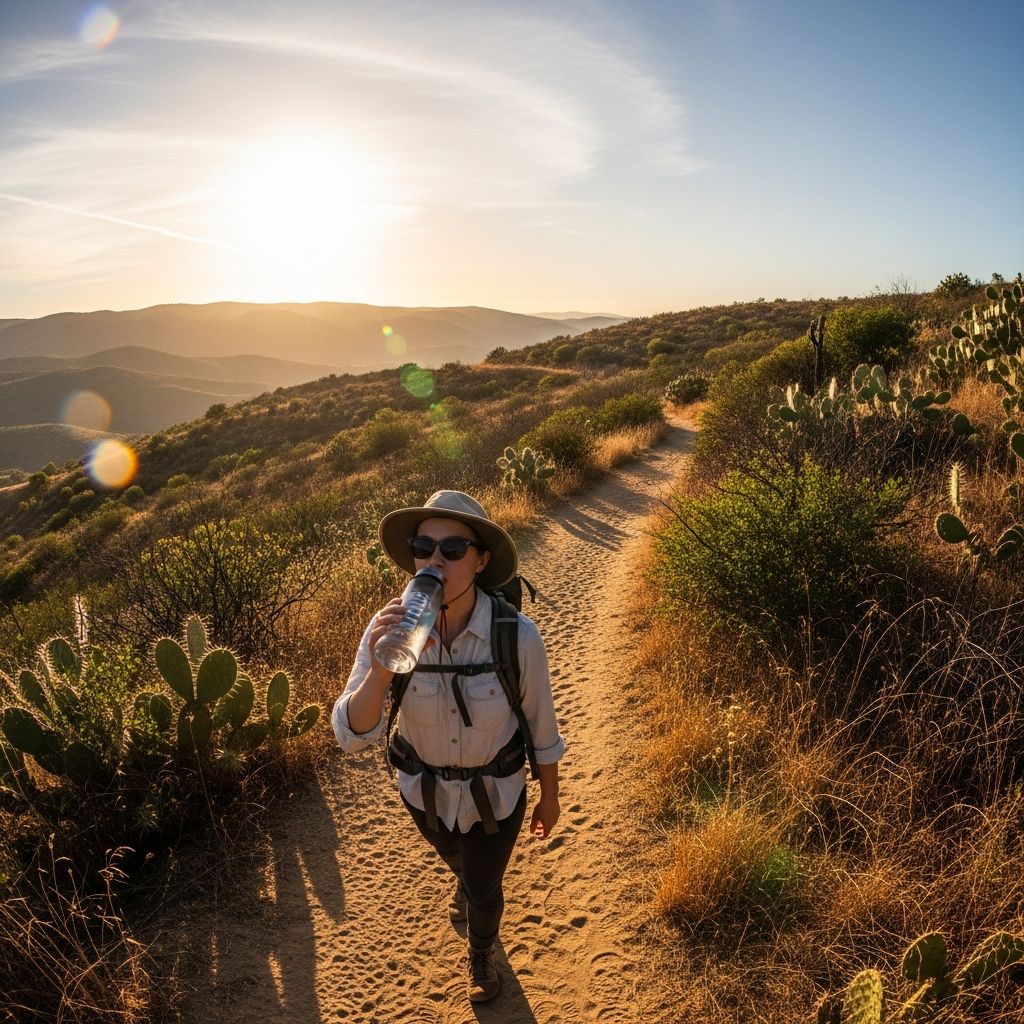
Heatwaves pose significant risks when spending time outdoors, increasing the likelihood of heat-related illnesses like heat exhaustion and heatstroke. High temperatures, humidity, and direct sun exposure strain the body’s cooling mechanisms, making proactive measures essential for safety. This guide provides comprehensive strategies to stay cool, hydrated, and protected during extreme heat.
Understanding Heatwave Risks Outdoors
Outdoor environments amplify heat dangers due to radiant heat from the sun, limited shade, and physical activity that generates additional body heat. The body normally cools itself through sweating and vasodilation—widening blood vessels to release heat—but high humidity impairs evaporation, leading to overheating. Vulnerable groups include older adults, children, outdoor workers, and those with chronic conditions, as noted by health authorities.
During heatwaves, core body temperature can rise rapidly, causing symptoms from mild discomfort to life-threatening emergencies. Planning ahead with weather forecasts from official sources like the Bureau of Meteorology helps anticipate risks.
Dressing for Heat Protection
Choosing the right clothing is crucial for minimizing heat absorption and maximizing cooling. Opt for lightweight, loose-fitting garments made from breathable fabrics like cotton, which allow air circulation and sweat evaporation.
- Light colors: White or pastel shades reflect sunlight, unlike dark colors that absorb heat.
- Long sleeves and pants: Loose, long layers protect skin from UV rays better than shorts and t-shirts, preventing sunburn which impairs cooling.
- Hats and sunglasses: Wide-brimmed hats provide shade for the face and neck; UV-protective sunglasses shield eyes.
- Footwear: Breathable shoes or sandals to avoid trapped heat.
Avoid synthetic fabrics that trap moisture. Apply broad-spectrum sunscreen (SPF 30+) to exposed skin, reapplying every two hours, as sunburn reduces the skin’s ability to regulate temperature.
Staying Hydrated in the Heat
Dehydration occurs quickly outdoors, as sweat loss exceeds intake without conscious effort. Drink water before thirst sets in—aim for at least half a liter two hours before activity and 200ml every 20 minutes during.
- Carry a reusable water bottle always; add electrolytes via sports drinks if sweating heavily.
- Avoid alcohol, caffeine, and sugary drinks, which promote fluid loss.
- Monitor urine: Pale yellow indicates good hydration; dark color signals dehydration.
For those with fluid restrictions (e.g., heart or kidney conditions), consult a doctor for heat-specific advice. Encouraging others, especially the elderly, to hydrate prevents community-wide risks.
Timing and Planning Outdoor Activities
The hottest period—11am to 3pm—should be avoided for non-essential tasks. Reschedule exercise, work, or outings to early morning or evening when temperatures drop.
| Time of Day | Temperature Risk | Recommended Actions |
|---|---|---|
| Early Morning (5-9am) | Low | Ideal for exercise, chores; seek shade. |
| Midday (11am-3pm) | High | Avoid outdoors; stay in cool areas. |
| Evening (after 6pm) | Moderate | Suitable if cooled; monitor forecasts. |
Check heatwave warnings via apps or TV. For outdoor workers, mandate frequent shaded breaks and misting fans. Limit time in direct sun and use the “buddy system” for check-ins.
Cooling Techniques for Outdoor Exposure
Even outdoors, active cooling prevents overheating. Keep skin wet to enhance evaporation: use spray bottles, damp sponges, or towels soaked in cool water.
Related Stories



- Drape wet towels around neck or head; wrap ice packs in cloth for targeted cooling.
- Seek natural shade from trees or structures; portable umbrellas or pop-up tents help.
- Foot baths or sprinklers lower core temperature quickly.
- Misting fans reduce perceived heat by 5-10°C if available.
If air-conditioned public spaces like libraries are nearby, rotate there periodically.
Recognizing and Treating Heat Exhaustion
Heat exhaustion signals the body is struggling: heavy sweating, weakness, dizziness, nausea, headache, muscle cramps, and cool/clammy skin. Act immediately:
- Move to shade or indoors.
- Rest with feet elevated; remove excess clothing.
- Cool with wet cloths, fans, or baths; sip cool water.
- Recovery typically occurs within an hour.
Monitor closely; if no improvement or symptoms worsen (e.g., confusion, no sweating), suspect heatstroke—call emergency services.
Heatstroke: A Medical Emergency
Heatstroke is life-threatening: body temperature over 40°C, hot/dry skin, rapid pulse, confusion, seizures, or unconsciousness. Do not give fluids; focus on rapid cooling (cold baths, ice packs) while awaiting paramedics. Prevention through the above tips saves lives, especially for at-risk groups.
Special Considerations for Vulnerable Groups
Older Adults: Reduced thirst sensation and medications increase risks; ensure hydration check-ins and cool access.
Children: Dress lightly, never leave in vehicles, frequent water breaks.
Outdoor Workers/Athletes: Enforce hydration protocols, acclimatization periods, and medical readiness.
Pregnant Individuals: Extra caution due to higher core temperatures.
Community and Home Support Strategies
Help neighbors by offering errands or cool space access. At home, use fans below 40°C, block sunlight with blinds, and create cool zones in basements. Overnight ventilation pulls in cooler air.
Frequently Asked Questions (FAQs)
Q: How much water should I drink outdoors in a heatwave?
A: Drink before thirsty—half a liter pre-activity, 200ml every 20 minutes during. Adjust for medical advice.
Q: Is it safe to exercise in a heatwave?
A: Only early morning/evening; indoor alternatives preferred. Take longer breaks.
Q: What are early signs of heat illness?
A: Thirst, fatigue, dizziness, dark urine. Cool down immediately.
Q: Can fans help outdoors?
A: Yes, misting fans cool effectively; combine with shade.
Q: How to help someone with heat exhaustion?
A: Shade, elevate feet, cool cloths/water; seek medical help if no improvement.
By following these evidence-based strategies, you can enjoy outdoor time safely during heatwaves, minimizing health risks effectively.
References
- How to cope and stay safe in extreme heat — Better Health Channel, Victoria Government. 2023. https://www.betterhealth.vic.gov.au/health/healthyliving/how-to-cope-and-stay-safe-in-extreme-heat
- Hot Weather Safety for Older Adults — National Institute on Aging (NIA), NIH. 2024-06-12. https://www.nia.nih.gov/health/safety/hot-weather-safety-older-adults
- Heat wave survival tips from an emergency physician — Michigan Medicine. 2023-07-20. https://www.michiganmedicine.org/health-lab/heat-wave-survival-tips-emergency-physician
- Extreme Heat Safety — American Red Cross. 2024. https://www.redcross.org/get-help/how-to-prepare-for-emergencies/types-of-emergencies/extreme-heat-safety.html
- Outdoor Safety Tips for Extreme Summer Heat Wave — Huntington Health. 2023. https://www.huntingtonhealth.org/in-the-news/outdoor-safety-tips-for-extreme-summer-heat-wave/
Similar Articles








Read full bio of Sneha Tete