How to Cope with a Nut Allergy Over Christmas
Practical strategies to safely enjoy Christmas festivities while managing nut allergies and preventing reactions.

Around
two in 100 children
andone in 200 adults
in the UK live with a nut allergy, making the festive season a potential minefield of hidden risks in traditional recipes.Nuts feature prominently in Christmas dishes, often unexpectedly, leading to a heightened risk of allergic reactions amid family gatherings and abundant buffets. With careful planning, however, individuals and families can enjoy the holidays safely.
This guide covers the prevalence of nut allergies, symptoms of reactions, common festive foods containing nuts, and actionable tips for avoidance at home, parties, and when eating out.
How common are nut allergies?
Nut allergies, encompassing both peanuts (a legume) and tree nuts like almonds, walnuts, and chestnuts, are among the most prevalent food allergies in the UK. Statistics indicate that approximately 2% of children and 0.5% of adults are affected.
The rise in nut allergy cases is notable; Allergy UK reports nearly 100,000 new diagnoses annually in the UK and USA, underscoring the growing challenge. Children are particularly vulnerable, with studies showing increased emergency visits during holiday periods due to accidental exposure.
While Christmas does not show the same spike in anaphylaxis as Halloween or Easter—where candy distribution plays a role—family feasts still pose risks from shared dishes and less vigilant settings. A Canadian study of 1,390 pediatric cases found no Christmas surge but emphasized vigilance during intimate gatherings.
What happens when you have an allergic reaction to nuts?
An allergic reaction occurs when the immune system mistakenly identifies nut proteins as harmful, releasing histamine and other chemicals. This can range from mild discomfort to life-threatening anaphylaxis.
Consultant paediatric allergist Adam Fox notes that reactions often start immediately after consumption.
What are nut allergy symptoms?
Classic signs include:
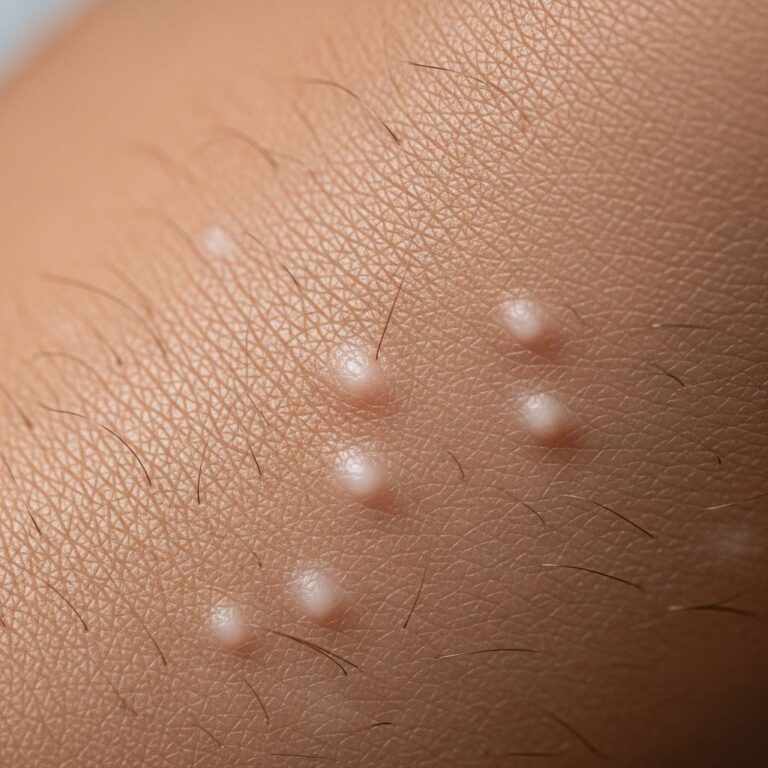
- Hives or nettle rash (urticaria) – red, itchy welts on the skin.
- Swelling – around the mouth, lips, tongue, or face.
- Itchiness – particularly in the mouth or throat.
- Abdominal pain, vomiting, or diarrhea – gastrointestinal distress.
- Difficulty breathing or wheezing – indicating anaphylaxis, a medical emergency requiring immediate adrenaline.
In severe cases, anaphylaxis can lead to a drop in blood pressure, loss of consciousness, or cardiac arrest. The UK sees surges in hospital admissions over Christmas due to these reactions. Always carry an adrenaline auto-injector (AAI) if prescribed.
What nuts do you eat at Christmas?
Christmas tables brim with nut-containing treats, from obvious snacks to hidden ingredients in savory dishes. Roasted chestnuts and salted peanuts are ubiquitous party nibbles, easily grabbed by children in crowded settings.
Less obvious sources heighten the danger:
- Stuffing – often incorporates chestnuts, almonds, or walnuts for texture and flavor.
- Brussels sprouts – frequently garnished with flaked almonds, pine nuts, or walnuts, especially in restaurants.
- Pine nuts – common in salads, pesto sauces, or festive dressings.
- Minced pies and Christmas pudding – may contain ground almonds.
- Chocolate treats and desserts – pralines, hazelnut spreads, or nut clusters.
- Sauces and marinades – nut oils or pastes in gravies or glazes.
Related Stories



Cross-contamination is rife in busy kitchens, where nuts share preparation surfaces.
Tips to help you avoid nuts at Christmas
Proactive steps can minimize risks. Divide strategies by scenario: preparing food at home, eating at others’ homes, or dining out.
If buying or cooking food yourself
- Check every label rigorously – UK law mandates the 14 major allergens, including peanuts and tree nuts, be highlighted in bold. Scan for ‘may contain nuts’ warnings.
- Opt for nut-free recipes – Search online for alternatives to classics like nut-free stuffing (using oats or herbs) or almond-free mince pies (with apple or citrus substitutes). Sites offer festive vegan or allergy-friendly versions.
- Use separate utensils and surfaces – Prevent cross-contamination by dedicating equipment for nut-free cooking.
Eating other people’s food
- Communicate with the host in advance – Inform them of the allergy and offer to bring nut-free dishes, such as safe appetizers or desserts.
- Prepare your child – Teach them to ask permission before eating and pack safe treats like fruit skewers or homemade cookies.
- Supervise closely – In bustling parties, stay vigilant around buffets.
Always have your AAI accessible and ensure family knows how to use it.
Allergy UK’s tips for eating out
Restaurant dining amplifies risks from shared kitchens. Follow these expert guidelines from Allergy UK:
- Research ahead – Review online menus, call to inquire about nut-free options, preparation methods, and cross-contamination protocols.
- Avoid buffets and salad bars – Shared tongs and spoons facilitate allergen transfer.
- Request allergy menus – At events, ask for dedicated options.
- Inform staff upon arrival – Alert waitstaff and request the chef use fresh equipment for severe allergies.
- Select simple dishes – Choose plain roast meats, steamed vegetables, and potatoes; verify sauces and marinades.
- Inspect your meal – Send back anything suspicious.
- Bring AAI and brief a companion – Designate someone to assist in emergencies.
| Dish | Common Nuts | Safe Alternatives |
|---|---|---|
| Stuffing | Chestnuts, walnuts | Oat-based or herb stuffing |
| Brussels Sprouts | Almonds, pine nuts | Plain boiled or with bacon |
| Mince Pies | Ground almonds | Nut-free mincemeat with pastry |
| Party Snacks | Peanuts, mixed nuts | Pretzels, popcorn, crisps |
| Desserts | Hazelnuts, pistachios | Fruit salad, sorbet |
Frequently Asked Questions (FAQs)
Q: How do I know if a reaction is anaphylaxis?
A: Seek emergency care for breathing difficulties, swelling of the throat, persistent dizziness, or blue skin. Use AAI first if available.
Q: Are peanuts the same as tree nuts?
A: No, peanuts are legumes, but allergies often cross-react. Avoid both if allergic to either.
Q: Can nut allergies be outgrown?
A: About 20% of children outgrow peanut allergies, less so for tree nuts. Consult an allergist for testing.
Q: Is cross-contamination preventable at home?
A: Yes, by cleaning surfaces, using separate boards, and washing hands thoroughly.
Q: What if no AAI is prescribed?
A: Discuss with your GP; those at risk of anaphylaxis should have one. Train family in its use.
By anticipating risks and communicating openly, Christmas can be joyful and safe for those with nut allergies. Stay informed and prepared.
References
- How to cope with a nut allergy at Christmas — Patient.info. 2023. https://patient.info/features/allergies-blood-immune/how-to-cope-with-a-nut-allergy-over-christmas
- Holidays bring severe spike in nut allergies for children — McGill University. 2020-10-05. https://www.mcgill.ca/newsroom/channels/news/holidays-bring-severe-spike-nut-allergies-children-325128
- Risk of peanut- and tree-nut–induced anaphylaxis during Halloween, Easter and other cultural holidays in Canadian children — Canadian Medical Association Journal. 2020-10-05. https://doi.org/10.1503/cmaj.200034
Similar Articles








Read full bio of medha deb