How To Cope With Grief Over New Year: 6 Gentle Ways
Expert tips to navigate grief during New Year after losing a loved one, helping you find comfort amid celebrations.
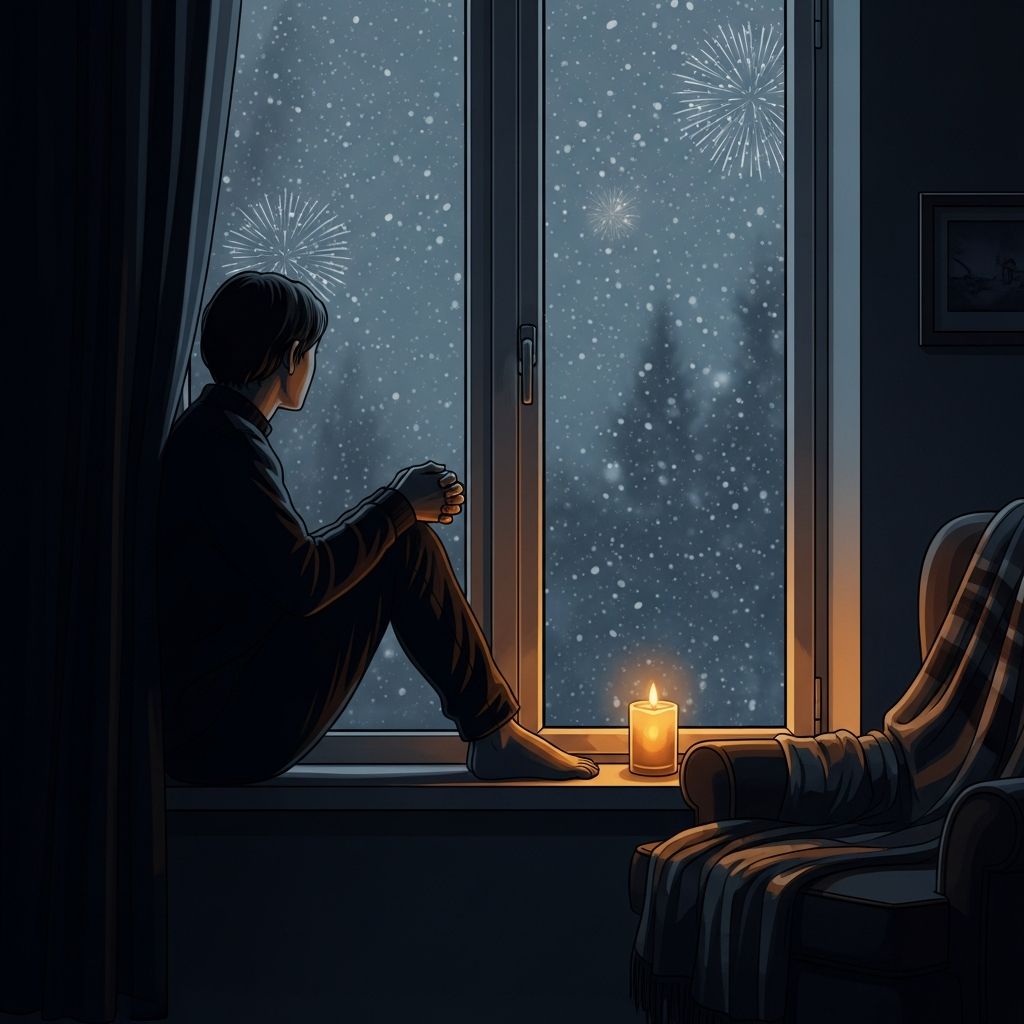
Facing the New Year after losing a loved one can intensify feelings of loss, as societal expectations of celebration clash with personal sorrow. Being kind to yourself and adopting expert-recommended strategies can ease this period, allowing space for reflection and healing.
New Year prompts reflection on the past and hopes for the future, which can trigger painful memories for those grieving. According to psychotherapists, the first New Year is often the most acute, but subsequent years may bring a mix of comfort and pain as emotions evolve.
Is Grieving for a Year Normal?
Grief does not adhere to a strict timeline; grieving intensely for a year or longer is entirely normal, especially around milestones like New Year. Emotional responses vary widely, influenced by the relationship with the deceased, circumstances of death, and personal resilience.
Research indicates that many experience prolonged symptoms: a 2020 survey found nearly three-quarters reported depression-like symptoms and two-thirds anxiety post-bereavement, yet few sought help. The NHS emphasizes that grief can manifest physically and emotionally, with no ‘right’ duration—some feel waves of grief years later.
Prolonged Grief Disorder, if symptoms persist intensely beyond 12 months, may require intervention like specialized therapy or CBT, as noted in health guidelines. Acknowledging this normality reduces self-judgment, fostering self-compassion during holidays.
New Year after Losing a Loved One
The transition to a new year amplifies grief due to cultural emphasis on renewal and festivities. Media filled with resolutions and parties can heighten isolation, as others appear to move forward while you’re anchored in loss.
Psychotherapist Somia Zaman notes the first New Year revives vivid memories of shared celebrations, making it hard to engage in typical rituals. Even later, triggers like countdowns or family gatherings resurface emotions. Over time, these memories may shift from raw pain to comforting nostalgia, but initial stages demand gentle navigation.
Anticipation often exceeds the day itself; planning ahead mitigates overwhelm. Sources like Vitas Healthcare affirm the first holiday season post-loss requires new rituals, as old ones evoke absence. This period tests emotional boundaries, underscoring the need for personalized coping.
Ways to Cope with Grief in the New Year
Coping starts with self-permission to feel without pressure to conform. Experts advocate low-key approaches, focusing on present-moment living over future anxieties.
Do What You Want on New Year’s Eve
New Year’s Eve is just one night—opt for quiet comfort over forced revelry. Stay home with comforting activities like watching favorite shows or reading, as Zaman suggests. Low-key celebrations honor your needs, avoiding exhaustion from social expectations.
Try Not to Dwell on the Year Ahead
Avoid fixating on future anniversaries, which can overwhelm. Counselor Rose advises living in the moment through enjoyable, novel activities to disrupt grief cycles. Mindfulness practices, per McMaster Optimal Aging, ground you in gratitude and presence.
Spend Time with Family and Friends
Connection combats isolation, even if you’re not festive. Share plans openly; supportive company validates grief without demanding cheer. Vitas recommends surrounding yourself with understanding loved ones, balancing solitude and socializing.
Speak to Someone Who Understands Grief
Conversations with empathetic listeners—friends who’ve bereaved, Cruse volunteers, or counselors—normalize emotions as temporary waves. Professional help addresses co-occurring anxiety or depression; only 18% of women and 12% of men sought it despite prevalence. NHS urges small, achievable goals and professional support if needed.
Related Stories



Create New Traditions and Rituals
Blend honoring the past with fresh experiences:
- Light a candle or place flowers in memory.
- Share stories or view photos during gatherings.
- Cook a favorite meal or play beloved music.
- Volunteer or donate in their name.
- Write letters or create memory boxes.
These rituals, from Grief Australia and others, nurture without overwhelming.
Practice Self-Care and Boundaries
Prioritize health: exercise, journal, avoid alcohol self-medication. Set limits—decline draining events, have exit strategies. UAB Medicine stresses communicating needs to trusted circles[10].
Frequently Asked Questions (FAQs)
Is it normal to feel worse at New Year after a loss?
Yes, holidays heighten grief due to memories and social contrasts; anticipation often peaks anxiety.
How long should grief last?
No fixed timeline—intense feelings for a year or more are common; seek help if debilitating.
Should I force myself to celebrate?
No, choose comforting activities; low-key options prevent burnout.
What if grief triggers depression or anxiety?
Common post-loss; therapies like CBT and support groups help—many underutilize them.
Can new traditions help?
Absolutely—they honor loss while building joy, easing future holidays.
Further Reading
- How can grief damage your self-esteem?
- Coping with grief after losing a loved one to lung cancer
- NHS Grief Support: Get help with grief
These resources offer deeper insights into bereavement’s impacts and management.
References
- How to cope with New Year after losing a loved one — Patient.info. 2023. https://patient.info/features/mental-health/how-to-cope-with-grief-over-new-year
- Coping with grief during the holidays — McMaster Optimal Aging. 2025-12-08. https://www.mcmasteroptimalaging.org/blog/detail/videos/2025/12/08/coping-with-grief-during-the-holidays
- Coping with Grief During the Holidays — VITAS Healthcare. Accessed 2026. https://www.vitas.com/family-and-caregiver-support/grief-and-bereavement/holidays-and-grief/coping-with-grief-during-the-holidays
- Get help with grief after bereavement or loss — NHS.uk. Accessed 2026. https://www.nhs.uk/mental-health/feelings-symptoms-behaviours/feelings-and-symptoms/grief-bereavement-loss/
- Navigating grief in the new year — Grief Australia. Accessed 2026. https://www.grief.org.au/ga/ga/Content/Information-Sheets/Navigating-grief-in-the-new-year.aspx
Similar Articles








Read full bio of medha deb