How To Cope With News-Related Anxiety: 6 Practical Strategies
Practical strategies to manage anxiety triggered by constant news exposure and protect your mental well-being in a 24/7 media world.
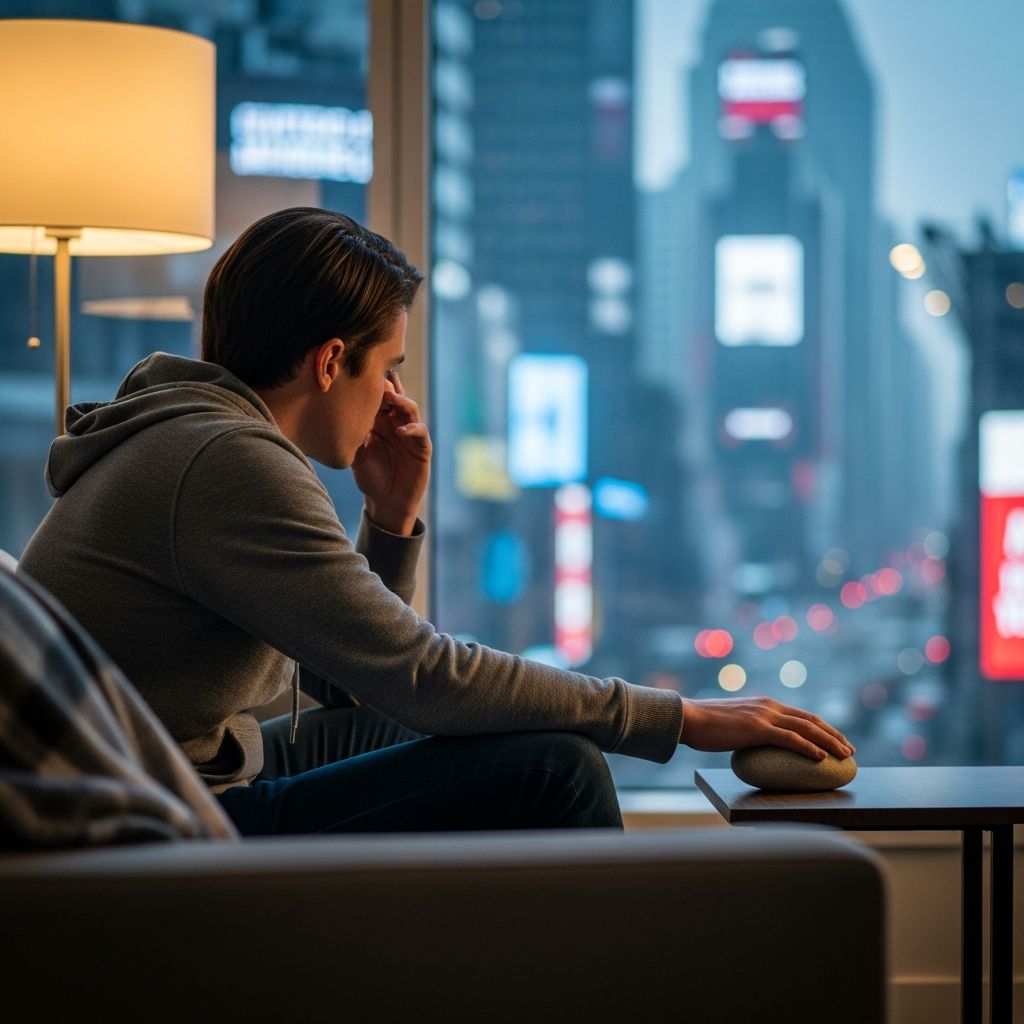
In today’s hyper-connected world, staying informed is easier than ever, but so is feeling overwhelmed by a relentless stream of news. News-related anxiety, often fueled by doomscrolling through negative headlines on social media and 24/7 broadcasts, can lead to heightened stress, sleep disturbances, and even panic attacks. This article explores practical, evidence-based strategies to manage these feelings, drawing from expert advice by psychologists and health professionals. By implementing these tips, you can stay informed without sacrificing your mental health.
What is News-Related Anxiety?
News-related anxiety refers to the distress caused by excessive exposure to alarming news content, particularly during crises like pandemics, elections, or global conflicts. Symptoms include restlessness, irritability, difficulty concentrating, and physical manifestations like rapid heartbeat or muscle tension. According to health experts, this form of anxiety is exacerbated by the brain’s negativity bias, which prioritizes threatening information for survival, but in modern media, it creates a cycle of fear.
Unlike general anxiety, news anxiety is often situational and tied to media consumption habits. For instance, constant notifications and algorithmic feeds amplify negative stories, leading to ‘doomscrolling’—the compulsive scrolling through bad news. Research from mental health organizations highlights that this behavior correlates with increased anxiety and depression, especially among younger adults who spend hours on social platforms. Recognizing these patterns is the first step toward coping.
Recognizing the Signs of News Anxiety
Identifying news anxiety early prevents escalation. Common signs include:
- Emotional responses: Feeling hopeless, angry, or fearful after news exposure.
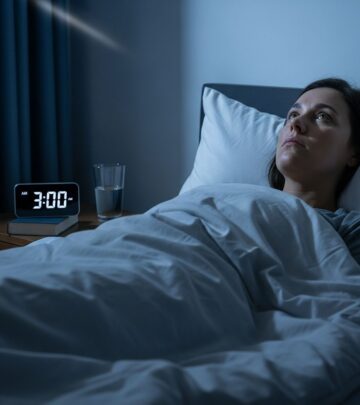
- Physical symptoms: Headaches, fatigue, or insomnia triggered by evening news binges.
- Behavioral changes: Avoiding social interactions or obsessively checking updates.
- Cognitive effects: Rumination on worst-case scenarios, impairing daily focus.
If these persist, they may overlap with generalized anxiety disorder, treatable via cognitive behavioral therapy (CBT) or SSRIs. Track your mood post-news consumption using a simple journal to spot triggers.
Strategies to Manage News-Related Anxiety
1. Be Selective About News Sources
Quality over quantity: Curate reliable sources to avoid sensationalism. Stick to trusted outlets like BBC, Reuters, or government health sites, avoiding unregulated social media. Dr. McMinn advises assessing how news affects your mood—switch if it heightens stress. Focus on topics relevant to you, such as local updates over global sensationalism.
Create a ‘news diet’: Limit to 2-3 credible sources daily. Research shows balanced reporting reduces anxiety by providing context without hype.
2. Set Strict Time Limits for News Consumption
Designate specific times, like 15-30 minutes morning and evening, to check news. Use app timers or ‘do not disturb’ modes to block notifications. This prevents all-day immersion during heavy cycles, like elections or disasters.
Avoid bedtime news, as it disrupts sleep via cortisol spikes. Instead, replace with positive routines like reading fiction. Studies link limited exposure to lower anxiety levels.
3. Practice Mindful Consumption and Avoid Doomscrolling
Doomscrolling hijacks attention with endless negativity. Counter it by asking: ‘Does this inform or overwhelm?’ Turn off push alerts, skim headlines only, and step away if anxious.
Related Stories



Mindfulness techniques, like deep breathing—inhale for 4 counts, exhale for 6—interrupt the cycle. Abdominal breathing shifts from chest hyperventilation, calming the nervous system. Practice daily for 5 minutes to build resilience.
4. Prioritize Self-Care and Positive Habits
Self-care buffers news stress. Engage in joyful activities: baths, hobbies, or nature walks. Schedule ‘positive relaxation’—listen to uplifting music or plan fun events.
Balance negativity with positive news sites featuring uplifting stories, reminding you of human kindness amid chaos. Foster social connections; discuss feelings with friends to gain perspective.
5. Incorporate Physical Movement and Exercise
Movement releases endorphins, countering stress hormones. Aim for 30 minutes daily: walks, yoga, or dancing. Even stretching tense muscles—neck twists, shoulder rolls—provides relief.
Exercise before overwhelm hits; it unplugs you from screens and boosts mood. Health guidelines recommend it as a frontline anxiety strategy.
6. Use Relaxation and Cognitive Techniques
Challenge anxious thoughts with a two-column table:
| Worry | Balanced View |
|---|---|
| World is ending due to this crisis. | Experts are responding; history shows resilience. |
| I’m powerless. | I can take small actions like voting or donating. |
| Bad news never ends. | Positive changes happen; focus on solutions. |
Reframe via CBT principles: Write worries, then counter with evidence. Deep breathing or progressive muscle relaxation during spikes calms physiology.
Building Long-Term Resilience
Beyond immediate tactics, cultivate habits like regular exercise, healthy eating, and sleep hygiene. Take ‘time outs’—15-minute breaks multiple times daily—to reset. Mindfulness meditation apps teach grounding, proven to reduce anxiety.
Join support groups or online communities for shared experiences. Limit social media, linked to worsened mental health. Gradually expose yourself to news in controlled doses to desensitize.
When to Seek Professional Help
If anxiety interferes with work, relationships, or daily life, consult a GP or therapist. CBT effectively rewires thought patterns for panic and anxiety. SSRIs may help persistent cases. Don’t hesitate—early intervention prevents escalation.
Signs needing help: Persistent panic, isolation, or suicidal thoughts. Helplines and NHS services offer immediate support.
Frequently Asked Questions (FAQs)
What is doomscrolling and how to stop it?
Doomscrolling is endlessly consuming negative news online. Stop by setting timers, disabling notifications, and replacing with positive activities.
Can news anxiety lead to panic attacks?
Yes; hyperventilation from stress mimics panic. Use slow breathing—longer exhales—to calm.
Is it okay to avoid news entirely?
Not entirely, but selective limits protect health. Balance with trusted sources.
How does exercise help news anxiety?
It reduces cortisol, boosts endorphins, and distracts from rumination.
When should I see a doctor for anxiety?
If symptoms last weeks or disrupt life, seek CBT or medication.
Implementing these strategies empowers you to navigate news mindfully. Start small—pick one tip today—for lasting mental well-being.
References
- How to cope with news anxiety: 6 ways to care for yourself — Baylor Scott & White Health. 2023-10-12. https://www.bswhealth.com/blog/how-to-cope-with-news-anxiety-6-ways-to-care-for-yourself
- Anxiety: Symptoms, Causes, and Treatments — Patient.info. 2024-05-15. https://patient.info/mental-health/anxiety
- How to support someone through a panic attack — Patient.info. 2023-11-20. https://patient.info/features/mental-health/how-to-support-someone-through-a-panic-attack
- How to manage health anxiety in a post-pandemic world — Patient.info. 2023-08-10. https://patient.info/features/covid/how-to-manage-health-anxiety-in-a-post-pandemic-world
- How to Manage Stress – 8 Techniques from a GP — Patient.info. 2024-02-28. https://patient.info/mental-health/stress-management
Similar Articles








Read full bio of medha deb