How To Count Carbs In 10 Common Foods: Easy Carb Counts
Master carb counting for better blood sugar control with practical tips on 10 everyday foods essential for type 2 diabetes management.
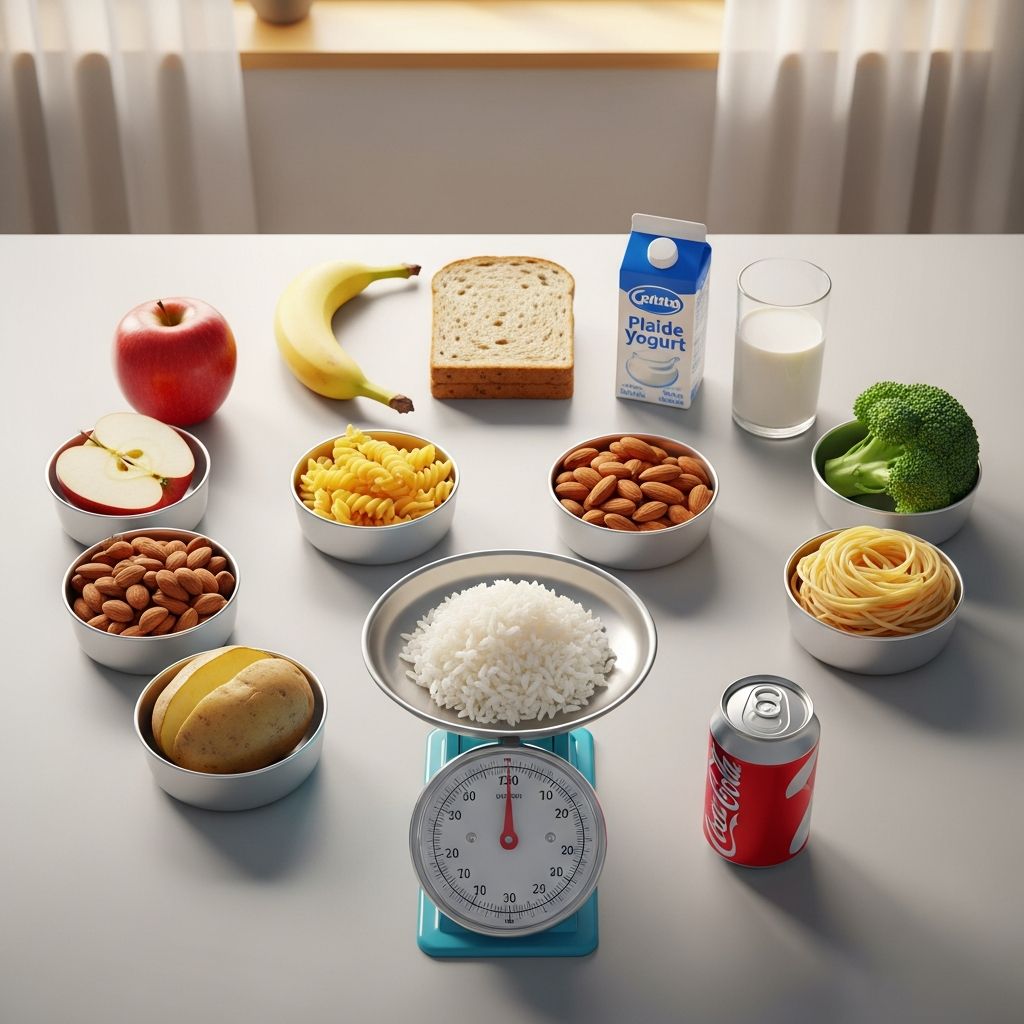
Carb counting is a fundamental skill for managing type 2 diabetes, allowing individuals to track carbohydrate intake and pair it with insulin or medication for stable blood glucose levels. At its core, it involves calculating grams of carbohydrates in meals to match insulin doses or maintain consistent intake. This approach empowers better glycemic control, flexibility in eating, and personalized meal planning, as supported by clinical guidelines and research.
For those with
type 2 diabetes
, who may be insulin-resistant, basic carb counting helps avoid blood glucose spikes by eating consistent carb amounts at meals. Unlike type 1, where advanced counting with insulin-to-carb ratios is common, type 2 often uses simpler methods like 15-gram ‘carb choices’ or the Diabetes Plate Method. Always consult your healthcare team to determine your daily carb needs, typically under 200 grams for insulin users.Why Carb Counting Matters for Type 2 Diabetes
Carbohydrates break down into glucose, directly impacting blood sugar. Poor estimation of carbs leads to higher HbA1c levels, while accurate counting improves control without excessive restrictions. Studies show advanced carb counting (ACC) can reduce HbA1c by 0.8% in type 2 patients on insulin, with no added hypoglycemia risk. Key benefits include:
- Precise insulin dosing using insulin-to-carb ratios (ICR).
- Flexibility to enjoy varied foods while monitoring portions.
- Integration with tools like apps and labels for real-time tracking.
- Enhanced quality of life through informed food choices.
Start by tracking intake and blood sugar for a few days to identify patterns, then adjust with professional guidance.
How to Read Nutrition Labels for Carb Counting
The Nutrition Facts label is your primary tool. Focus on serving size and total carbohydrates, which include sugars, starches, and fiber—no need to add extras. Example: If a serving is 1 slice with 15g carbs and you eat 2, that’s 30g.
Steps to count:
- Check serving size—adjust for what you actually eat.
- Note total carbs per serving.
- Multiply for portions consumed.
- For unpackaged foods like fruits, use reliable databases or apps.
One carb serving equals about 15g, so a 30g item is 2 servings.
10 Common Foods and Their Carb Counts
Here are detailed carb breakdowns for 10 everyday foods. Portions are standard; always verify labels. Data synthesized from authoritative sources like ADA and CDC.
| Food | Standard Serving | Total Carbs (g) | Carb Choices (15g each) | Notes |
|---|---|---|---|---|
| Bread (white) | 1 slice (28g) | 15 | 1 | Whole grain options similar; check fiber for net carbs. |
| Rice (cooked white) | ½ cup | 22 | 1.5 | Brown rice slightly higher at 23g; pair with protein. |
| Pasta (cooked) | 1 cup | 43 | 3 | Portion control key; al dente cooks slower absorption. |
| Apple (medium) | 1 (182g) | 25 | 1.5-2 | Fiber slows rise; skin on for benefits. |
| Banana (medium) | 1 (118g) | 27 | 2 | Riper = higher glycemic impact. |
| Oatmeal (cooked) | ½ cup | 27 | 2 | Steel-cut lower GI than instant. |
| Potato (baked, medium) | 1 (173g) | 37 | 2.5 | Counts as 2+ servings despite size. |
| Corn (kernel, canned) | ½ cup | 18 | 1 | Starchy veg; drain rinse to cut sodium. |
| Milk (2%) | 1 cup (240ml) | 12 | 1 | Lactose is the carb; choose unsweetened alternatives cautiously. |
| Yogurt (plain, low-fat) | 6oz (170g) | 17 | 1 | Flavored adds sugars; Greek lower at 6-9g. |
Related Stories



These estimates help quick-reference planning. For example, a meal with 1 cup pasta (43g), apple (25g), and milk (12g) totals 80g carbs—about 5 choices.
Tips for Accurate Carb Counting in Meals
Beyond labels, consider:
- Glycemic index (GI): Low-GI carbs (e.g., oats) absorb slower.
- Combinations: Pair carbs with protein/fat to blunt spikes.
- Weighing foods: Develop ‘eyeballing’ skills but verify periodically.
- Timing: Check blood sugar 2 hours post-meal; snack 10-15g if meals >4-5 hours apart.
- Apps/Tools: Use for unlabeled items like veggies.
Advanced users calculate insulin via ICR: Insulin units = Carbs / Ratio (e.g., 1:15 means 1 unit per 15g).
Common Mistakes and How to Avoid Them
Avoid underestimating portions or ignoring serving sizes—common in type 2 leading to miscalculations. Don’t subtract all fiber; focus on total carbs unless advised. Track activity post-meal, as exercise affects absorption.
Frequently Asked Questions (FAQs)
What is the easiest way to start carb counting?
Begin with nutrition labels’ total carbs and serving sizes, aiming for consistent 45-60g per meal. Track for a week with blood sugar checks.
Do I need to count carbs if not on insulin?
Yes, for consistent intake to prevent spikes; use plate method or 15g choices.
How many carbs per day for type 2 diabetes?
Varies; often 130-200g total, personalized by your team.
Can I eat fruit on a low-carb plan?
Yes, in moderation—prioritize berries over bananas for lower GI.
What’s the difference between total and net carbs?
Total includes all; net subtracts fiber/sugar alcohols. Use total for diabetes counting.
Meal Planning with Carb Counts
Sample day (150g total carbs):
- Breakfast: Oatmeal (27g) + milk (12g) = 39g.
- Lunch: Turkey sandwich (bread 30g, apple 25g) = 55g.
- Dinner: Rice (22g), chicken, corn (18g) = 40g.
- Snack: Yogurt (17g).
Adjust based on activity, medication. Research confirms such planning stabilizes BG.
Carb counting evolves with tools like CGMs, enhancing precision. Work with educators for training—effective and low-cost.
References
- How to Count Carbs for Diabetes | Carb Calculator & Meal Planning — American Diabetes Association. 2023. https://diabetes.org/food-nutrition/understanding-carbs/carb-counting-and-diabetes
- Counting Carbs for Type 2 Diabetes — Beyond Type 1. 2023. https://beyondtype1.org/carb-count-and-t2d/
- Carb Counting for Diabetes (Free Download) — Encompass Health. 2024. https://www.encompasshealth.com/health-resources/articles/carb-counting-for-diabetes
- The Impact of Using Carbohydrate Counting on Managing Diabetic Patients — PMC (NCBI). 2023-11-29. https://pmc.ncbi.nlm.nih.gov/articles/PMC10726644/
- Carb Counting | Diabetes — Centers for Disease Control and Prevention (CDC). 2024. https://www.cdc.gov/diabetes/healthy-eating/carb-counting-manage-blood-sugar.html
- Carb counting with diabetes — Kaiser Permanente. 2023. https://healthy.kaiserpermanente.org/washington/health-wellness/healtharticle.carb-counting
Similar Articles








Read full bio of medha deb