How To Counteract Caffeine: 9 Effective Ways To Reduce Jitters
Expert strategies to reduce caffeine effects, manage jitters, and ease withdrawal for better health and sleep.
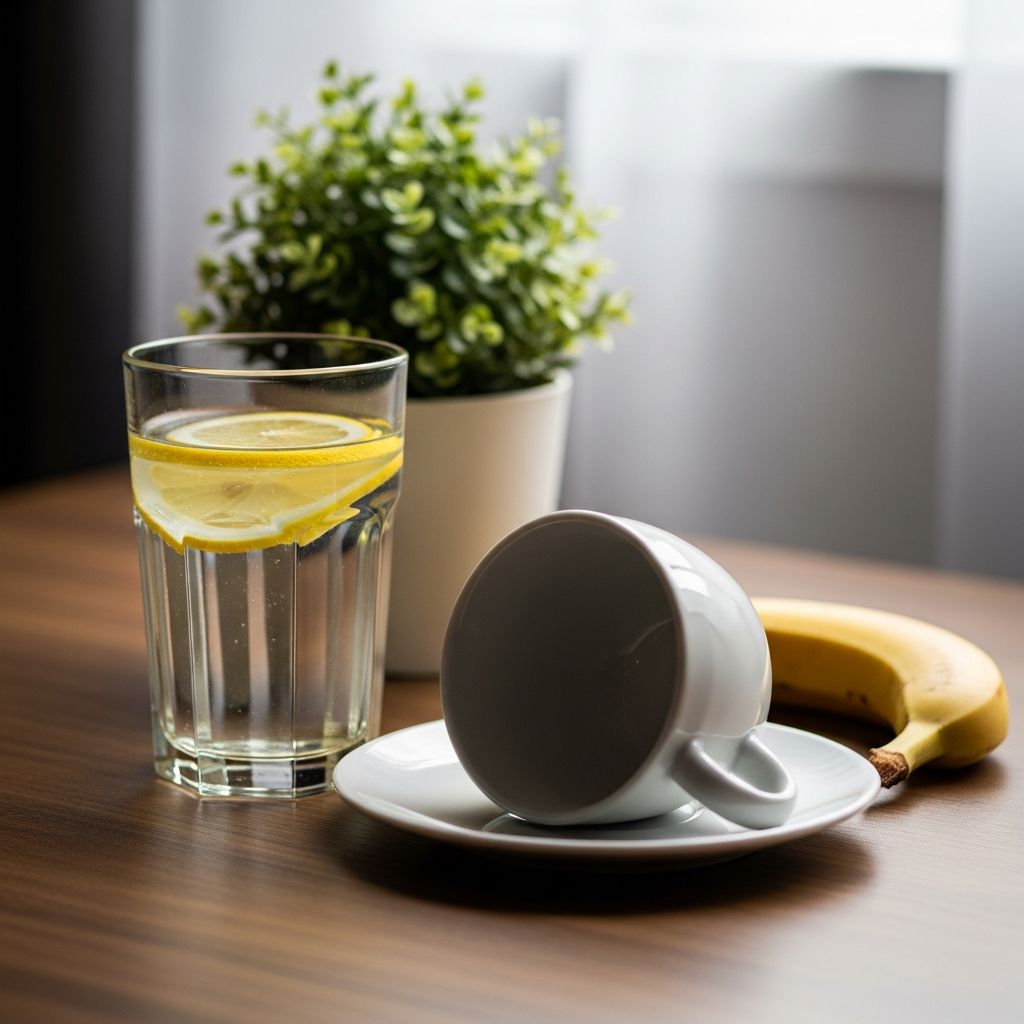
Excessive caffeine can trigger jitters, rapid heartbeat, anxiety, and sleep disruption. Counteracting it involves hydration, time, and lifestyle adjustments while avoiding abrupt cessation to prevent withdrawal.
What Does Caffeine Do to Your Body?
Caffeine is a central nervous system stimulant that blocks adenosine receptors, promoting alertness but causing side effects like increased heart rate and frequent urination when overconsumed.
Common symptoms of too much caffeine include headache, insomnia, nervousness, muscle tremors, and stomach upset. Doses exceeding 400mg daily (about 4 cups of coffee) heighten these risks.
How Long Does Caffeine Stay in Your System?
Caffeine’s half-life is 5-6 hours on average, meaning half the dose remains after that time, influenced by genetics, liver function, pregnancy, and smoking.
- Full elimination typically takes 24-36 hours.
- Factors like age and medications can extend this to 10+ hours.
9 Ways to Counteract the Effects of Too Much Caffeine
1. Drink Plenty of Water
Hydration counters caffeine’s diuretic effect, which increases urine output and can lead to dehydration exacerbating headaches and fatigue.
Aim for 8-10 glasses of water; electrolyte drinks help restore balance without added stimulants.
2. Eat Nutrient-Dense Food
Food slows caffeine absorption. Consume protein, fiber-rich meals like nuts, bananas, or oatmeal to stabilize blood sugar and reduce jitters.
- Bananas provide potassium to ease muscle tremors.
- Whole grains offer steady energy without spikes.
3. Get Some Exercise
Physical activity burns energy and promotes endorphin release, helping metabolize caffeine faster. A brisk walk or light cardio aids in reducing anxiety.
Avoid intense workouts if heart palpitations occur; opt for yoga or stretching.
4. Take a Nap
A 20-30 minute nap allows adenosine to build, countering caffeine’s blockade for natural drowsiness. Time it early to avoid deeper sleep cycles.
5. Sip on Herbal Tea
Chamomile or peppermint tea hydrates and calms without caffeine. Shorter brew times for regular tea reduce intake.
6. Consume L-Theanine
Found in green tea, L-theanine (200mg dose) promotes relaxation without sedation, smoothing caffeine’s edge. Available as supplements.
7. Consider Activated Charcoal
Activated charcoal may bind caffeine in the gut if taken soon after consumption, though evidence is limited; consult a doctor.
8. Practice Deep Breathing or Meditation
Techniques like 4-7-8 breathing lower heart rate and anxiety by activating the parasympathetic nervous system.
9. Wait It Out
Time is the ultimate counter; effects peak in 1 hour and fade as the body metabolizes it. Patience prevents risky interventions.
How to Cut Back on Caffeine Safely
Abruptly stopping causes withdrawal: headaches, fatigue, irritability. Reduce gradually over 1-2 weeks.
- Track intake from all sources (coffee, soda, meds).
- Switch to half-caf or decaf blends.
- Limit to before 2 p.m. to protect sleep.
Related Stories



Decaf retains some benefits like polyphenols but has 2-15mg caffeine.
Caffeine Withdrawal Symptoms and Management
| Symptom | Duration | Management |
|---|---|---|
| Headache | 1-7 days | Hydrate, pain relievers, gradual taper |
| Fatigue | 2-9 days | Short naps, light exercise |
| Irritability | 1-5 days | Mindfulness, L-theanine |
| Brain Fog | 1-7 days | Nutrient-dense foods, hydration |
Who Should Avoid Caffeine?
Pregnant individuals, those with anxiety disorders, heart conditions, or on certain meds (e.g., ephedrine, ADHD stimulants) should limit or avoid it.
Energy drinks pose higher risks: high BP, arrhythmias, especially in youth.
Caffeine Content in Common Sources
| Beverage/Food | Caffeine (mg) |
|---|---|
| 8 oz Coffee | 80-100 |
| 12 oz Soda | 30-40 |
| Energy Drink (16 oz) | 160-200 |
| Dark Chocolate (1 oz) | 20-30 |
Frequently Asked Questions (FAQs)
What is the fastest way to counteract caffeine?
Hydration and light exercise offer quickest relief, but full metabolism takes hours.
Does milk help with caffeine jitters?
Yes, dairy slows absorption; pair with food for stability.
Can caffeine cause long-term issues?
Regular high intake links to tolerance, dependence, sleep disruption, but moderate use is safe for most.
Is decaf truly caffeine-free?
No, it contains 2-15mg per cup, far less than regular.
How much caffeine is safe daily?
Up to 400mg for healthy adults; less for sensitive groups.
This comprehensive guide empowers informed caffeine management for optimal well-being.
References
- Caffeine: How much is too much? — Mayo Clinic. 2023-10-12. https://www.mayoclinic.org/healthy-lifestyle/nutrition-and-healthy-eating/in-depth/caffeine/art-20045678
- What doctors wish patients knew about the impact of caffeine — American Medical Association. 2024-05-15. https://www.ama-assn.org/public-health/prevention-wellness/what-doctors-wish-patients-knew-about-impact-caffeine
- Common questions and misconceptions about caffeine supplementation — National Library of Medicine (PMC). 2024-03-01. https://pmc.ncbi.nlm.nih.gov/articles/PMC10930107/
Similar Articles








Read full bio of medha deb