PKU-Friendly Diet: Guide To Foods, Meal Plans, And Monitoring
Master the lifelong low-phenylalanine diet for PKU management with expert tips on formulas, safe foods, and meal planning.
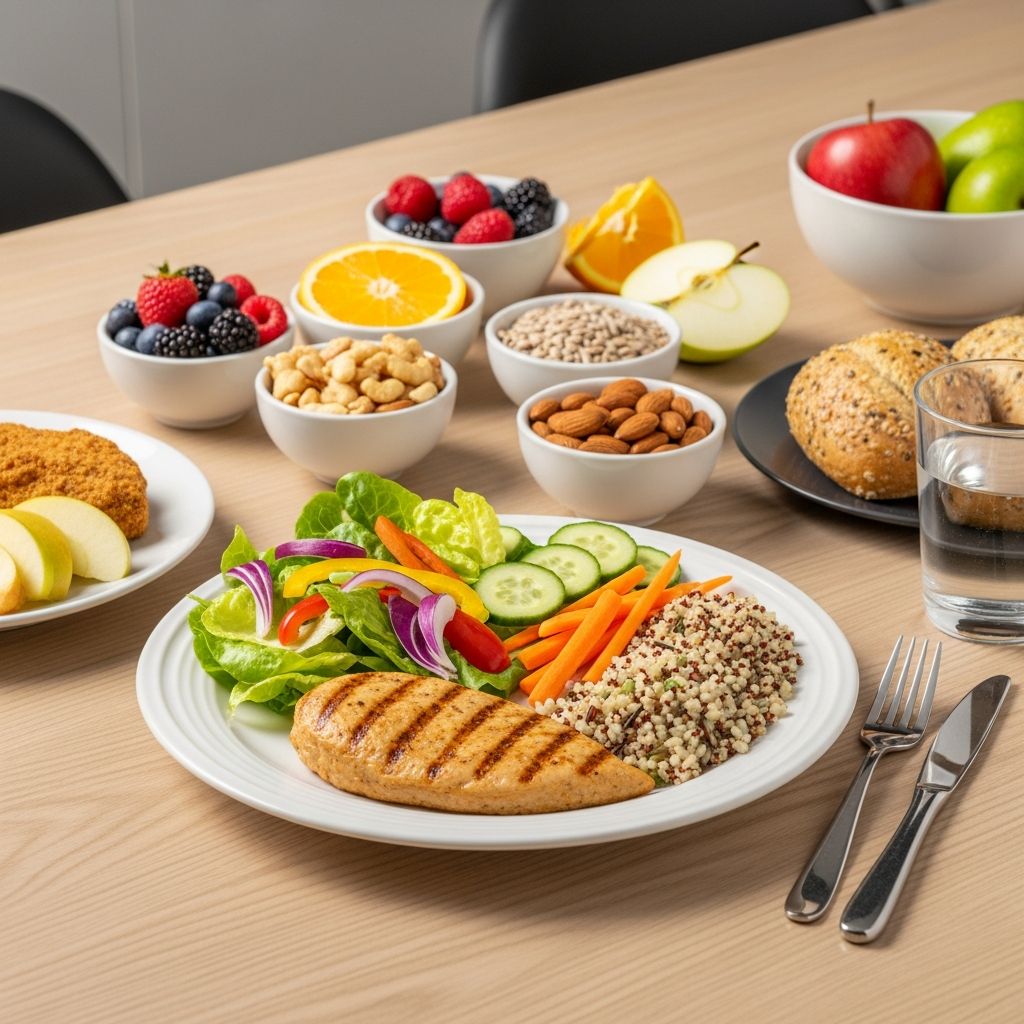
A strict diet limited in phenylalanine (Phe) is the cornerstone of treatment for phenylketonuria (PKU), a genetic disorder that impairs the body’s ability to break down this essential amino acid. Without dietary management, elevated Phe levels can lead to intellectual disabilities, behavioral issues, and neurological damage. Phenylalanine occurs naturally in most protein-rich foods, including milk, eggs, cheese, nuts, beans, chicken, beef, pork, and fish. This lifelong regimen requires careful planning to ensure nutritional adequacy while keeping blood Phe within target ranges, typically monitored regularly by healthcare providers.
What Is PKU and Why Does Diet Matter?
Phenylketonuria (PKU) is an inherited metabolic disorder caused by mutations in the PAH gene, leading to deficient phenylalanine hydroxylase enzyme activity. This results in toxic buildup of Phe in the blood and brain. Newborn screening identifies most cases early, allowing immediate dietary intervention to prevent irreversible harm. The diet must restrict natural protein intake to about 25% or less of normal levels while supplementing with Phe-free medical formulas that provide essential amino acids, particularly tyrosine, which becomes conditionally essential in PKU.
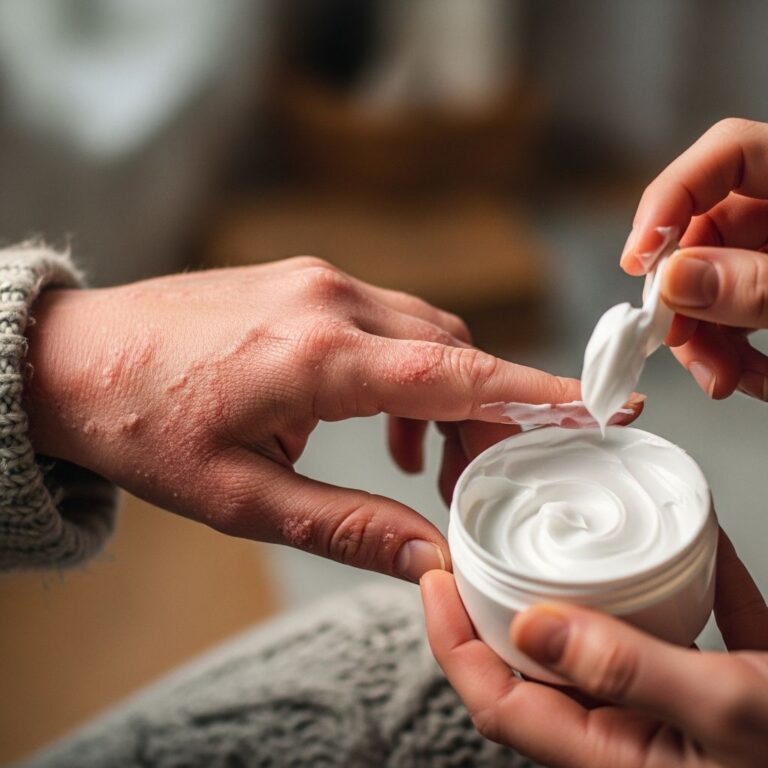
Maintaining target blood Phe levels—usually 2-6 mg/dL for children and 2-10 mg/dL for adults per guidelines—prevents symptoms like poor concentration, shortened attention span, memory issues, eczema, and musty odor. High Phe can also cause maternal PKU syndrome in offspring if uncontrolled during pregnancy. Lifelong adherence, guided by a registered dietitian nutritionist (RDN) specializing in metabolic disorders, is crucial for normal growth, cognition, and quality of life.
Key Components of a PKU-Friendly Diet
The PKU diet balances Phe restriction with adequate calories, protein equivalents, vitamins, and minerals. Core elements include:
- Medical Formulas: Phe-free or low-Phe formulas are the primary protein source, supplying 60-80% of nitrogen needs. Infants start with these alongside limited breast milk; older children and adults take them as drinks or powders mixed with water.
- Low-Phe Natural Foods: Fruits, vegetables, and low-protein starches provide calories and variety without strict counting for low-Phe options.
- Special Low-Protein Products: Breads, pastas, flours, and substitutes mimic regular foods but with minimal protein.
- Fats and Sweets: Added for energy, as protein restriction limits calories.
Regular blood tests, food diaries, and growth assessments allow RDNs to adjust plans dynamically.
Foods to Include in a PKU Diet
Focus on naturally low-Phe foods that can be eaten freely or with portion control. These provide bulk, fiber, and micronutrients essential for health.
Fruits (Low Phe: ≤75 mg/100g, Eat Freely)
- Apples, bananas, berries (strawberries, blueberries), mango, peaches, pineapple, grapefruit.
- Avoid or limit higher-Phe dried fruits like raisins or dried banana.
Vegetables (Categorized by Protein Content)
Use this table for quick reference on portion-based intake:
| Protein per ½ Cup | Vegetables |
|---|---|
| 1g protein | Broccoli, cooked greens (beet, collard, turnip), kale, mushrooms, acorn/butternut squash, zucchini |
| 2g protein | Avocado (½ fruit), Brussels sprouts, corn, potatoes (including sweet/yams), spinach (cooked) |
| Freely (very low Phe) | Cabbage, carrots, cucumber, lettuce, onions, tomatoes |
Related Stories



Low-Protein Grains and Starches
- Puffed rice cereal, cornstarch, tapioca, arrowroot.
- Special low-protein breads, pastas, rice, pizza bases, flours.
- Portions like 2 cups popcorn or 1 oz potato chips (15 chips).
Other Safe Additions
- Fats: Butter, margarine, vegetable/olive oil, cooking sprays.
- Sweeteners: Sugar, honey, jams, syrups (avoid aspartame).
- Beverages: Fruit juices, coffee, tea, sugar-free drinks (aspartame-free).
- Dairy Alternatives: Low-energy plant milks (almond, rice, coconut), vegan cheeses (check Phe).
- Herbs/Spices: Unlimited for flavor.
Foods to Avoid or Strictly Limit
High-protein foods must be minimized or eliminated to control Phe. Natural protein is capped, often requiring exchange systems or apps for tracking.
- Animal Proteins: Meat, poultry, fish, seafood, eggs.
- Dairy: Milk, cheese, yogurt.
- Plant Proteins: Beans, lentils, peas, soy, nuts, seeds, peanut butter.
- High-Protein Grains: Regular bread, rice, pasta, cereals, wheat, oats, rye, barley, quinoa.
- Other: Gelatin, aspartame (breaks down to Phe), high-Phe veggies in excess (e.g., kale, spinach beyond portions).
Creating a Unique Meal Plan
As infants transition to solids around 4-6 months, an RDN crafts a personalized plan based on age, weight, activity, and blood Phe trends. For babies, Phe-free formula dominates, with some breast milk; solids start low-Phe like fruits/veggies. Toddlers and older kids use simplified plans with ‘free’ foods (no counting) and exchanges for moderate-Phe items.
Sample Daily Meal Ideas:
- Breakfast: Puffed rice cereal with nondairy creamer, banana or berries, formula drink.
- Lunch: Vegetable soup, low-protein bread, apple slices.
- Dinner: Baked potato, green beans, carrots, low-protein pasta with oil.
- Snacks: Fruit, low-protein crackers, popcorn.
- Throughout Day: Divide formula into 3-5 doses.
Encourage variety, satiety with low-protein staples, and activity (30-45 min daily) to manage weight. For adults, adjust for lower energy needs, emphasizing low-carb formulas if overweight.
Monitoring and Adjustments
Success hinges on vigilance: weekly blood Phe tests for infants, monthly for stable older patients. Families keep food journals; RDNs review growth charts (height, weight, head circumference) quarterly. Adjustments address poor control, like reducing sweets or increasing low-Phe veggies. Annual dental checks combat formula-related enamel issues. Pregnancy requires tighter control (<2-6 mg/dL).
Frequently Asked Questions (FAQs)
What is the main treatment for PKU?
A strict low-phenylalanine diet combined with medical formulas, lifelong.
Can infants with PKU breastfeed?
Limited amounts alongside Phe-free formula; full management by RDN.
Are special low-protein foods necessary?
Yes, for calories, variety, and normalcy without excess Phe.
How often should blood Phe be checked?
Weekly for babies, less frequently once stable; per guidelines.
Can adults with PKU eat regular protein occasionally?
No, lifelong restriction needed; use exchanges sparingly.
What if Phe levels are too high?
Tighten diet, increase formula, reduce carbs/sweets, boost exercise.
References
- How to Create a PKU-Friendly Diet — Academy of Nutrition and Dietetics. 2023. https://www.eatright.org/health/health-conditions/digestive-and-gastrointestinal/how-to-create-a-pku-friendly-diet
- Simplified PKU Food Plan — University of Louisville School of Medicine. 2022. https://louisville.edu/medicine/departments/pediatrics/divisions/developmental-behavioral-genetics/nutrition-services/pku-resources/simplified-pku-food-plan
- PKU dietary handbook to accompany PKU guidelines — National Center for Biotechnology Information (PMC). 2020-07-10. https://pmc.ncbi.nlm.nih.gov/articles/PMC7329487/
- PKU Diet — UMass Memorial Health (.org health library). 2024. https://www.ummhealth.org/health-library/pku-diet
- Phenylketonuria Diet: Foods to Eat and Foods to Avoid — Healthline (reviewed by medical professionals). 2023-05-15. https://www.healthline.com/health/phenylketonuria-diet
- PKU and Your Diet — University of Rochester Medical Center (.edu). 2024. https://www.urmc.rochester.edu/encyclopedia/content?contenttypeid=134&contentid=636
Similar Articles








Read full bio of Sneha Tete