Curb A Sweet Tooth: 5 Expert Strategies To Cut Sugar
Master your sugar cravings with science-backed strategies and healthy alternatives.

How to Curb a Sweet Tooth: Expert Tips and Strategies
Do you find yourself constantly reaching for candy, soda, or desserts? If so, you’re not alone. A sweet tooth is a common challenge affecting millions of people worldwide. The good news is that understanding why you crave sweets and learning practical strategies can help you manage these cravings effectively. This guide explores the science behind your sweet tooth and provides actionable solutions to help you take control of your sugar intake.
Understanding Your Sweet Tooth: What It Really Means
The term “sweet tooth” originated from an old observation: people with a preference for sweets would often experience toothaches, typically caused by cavities. However, having a sweet tooth is more complex than just a preference for sugary foods. It involves a combination of genetic, psychological, and behavioral factors.
Scientists have discovered that people differ significantly in their ability to perceive sweetness and their preference for sweet tastes. Some individuals are genetically more sensitive to bitter compounds, and interestingly, these people tend to find very sweet solutions more pleasant and prefer sweet carbonated beverages more than milk compared to their less bitter-sensitive peers. This means your sweet tooth may be partially hardwired into your genetics.
Beyond genetics, the appeal of sweetness goes deeper. The taste of sweet may be sought for its pleasurable and soothing properties, making it emotionally rewarding and potentially consumed regardless of nutritional consequences. Understanding these underlying reasons for consuming sweets is crucial for developing effective strategies to manage cravings.
The Real Culprit: Sugar and Dental Health
While sugar often takes the blame for cavities, the reality is more nuanced. According to dental experts, sugar isn’t the sole culprit—instead, it’s one component of a three-part equation involving diet, hygiene, and bacteria. However, sugar does play a significant role in cavity development.
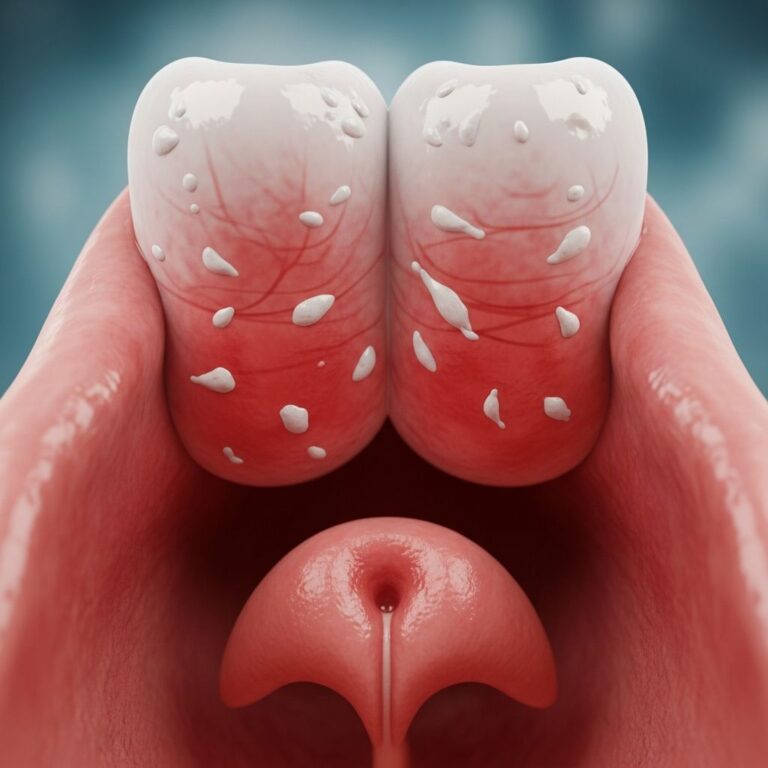
When sugar is consumed, naturally occurring bacteria in your mouth interact with it and produce acids that demineralize tooth enamel, creating dental caries (cavities). The amount and severity of cavities are directly correlated with sugar intake, particularly extrinsic sugars—those that are refined and added to foods. Foods such as cookies, candies, and cakes are much more cariogenic (cavity-causing) than foods containing intrinsic sugars, like milk and whole fruits.
The mechanism is straightforward: when you eat sugary foods or drinks, plaque bacteria on your teeth produce acids that lower pH levels in your mouth. While your saliva contains cleaning bacteria that can neutralize acidic pH between meals, continuous eating prevents your mouth from recovering. Sticky candies like gummies are particularly problematic because they adhere to teeth longer, extending acid exposure.
Surprising Foods That Damage Your Teeth
Not all tooth-damaging foods are obvious. Many people are surprised to learn that several seemingly healthy foods can harm dental health:
- Juice (high sugar and acid content)
- Raisins and dried fruits (concentrated sugars, sticky texture)
- Citrus fruits (high acidity)
- Cheese (acidic)
- Bread (fermentable carbohydrates)
Related Stories



The lesson here is that protecting your teeth requires awareness beyond just avoiding candy and soda. Even nutritious foods can contribute to cavities when consumed frequently or without proper oral hygiene.
Practical Strategies to Curb Your Sweet Tooth
1. Modify Your Consumption Patterns
If you must consume sugary drinks, drink the entire serving at once rather than sipping throughout the day. This gives your mouth time to clean itself between consumption events. Constant exposure to sugar keeps pH levels low and prevents your saliva’s natural cleaning bacteria from working effectively.
2. Maintain Proper Dental Hygiene
Good dental hygiene is non-negotiable for managing the effects of a sweet tooth. Recommended practices include:
- Brush your teeth twice daily, or ideally after every meal
- Floss daily to remove food and plaque between teeth
- Rinse with fluoride mouthwash
- Drink water or milk between meals to balance pH levels
Flossing deserves special attention. If you can’t see space between your teeth, toothbrush bristles won’t reach trapped food and plaque. Fortunately, multiple flossing options exist: traditional floss, floss picks (portable and convenient), or Waterpiks (more expensive but easier to use).
3. Use Fluoride Protection
If you have tooth sensitivity or regularly consume acidic foods, fluoride can help repair micro-surface loss on teeth that eventually leads to cavities. This is particularly important for those with persistent sweet cravings who may struggle to eliminate sugary foods entirely.
4. Replace High-Sugar Foods with Alternatives
Rather than complete elimination, consider replacing sugary treats with high-intensity sweeteners that contain few calories and don’t promote cavity formation. This allows you to satisfy your sweet preference without the negative health consequences.
5. Practice Moderation and Treat Sweets as Treats
Dental experts recommend thinking of sugary foods as treats rather than staples. Moderation is key—you don’t need to eliminate sweets entirely, but limit their frequency and quantity. A well-balanced diet that includes sugary items occasionally is more sustainable than strict elimination.
The Genetic Component: Why Some People Crave Sweets More
Research indicates that genetic variations influence sweet taste perception. Scientists have identified relationships between taste perception genes and beverage preferences, with some individuals naturally drawn toward sweeter options due to their genetic makeup. This means that if you struggle more than others to resist sweets, you may have a legitimate genetic predisposition.
However, genetics isn’t destiny. Understanding that your sweet tooth has a biological basis can help you approach cravings with compassion and develop personalized strategies rather than relying on willpower alone. Tailored nutritional advice that accounts for individual taste preferences and genetic factors is more likely to succeed.
Diet’s Role in Managing Sweet Cravings
Your overall diet significantly influences both cravings and dental health. When your diet consists primarily of candy, fermentable carbohydrates (like potato chips), and sodas, you create an ideal environment for cavity formation and sustained sweet cravings. Sugar acts like “putting gasoline on a fire”—it doesn’t create the craving, but it intensifies it.
To manage your sweet tooth through diet:
- Eat a well-balanced diet rich in whole foods
- Limit fermentable carbohydrates that feed cavity-causing bacteria
- Choose foods with intrinsic sugars (whole fruits, dairy) over extrinsic sugars (refined sweets)
- Maintain stable blood sugar through regular meals and snacks
Protecting Children’s Teeth and Sweet Cravings
Teaching children healthy dental habits early is crucial, even though baby teeth are temporary. Kids typically lose baby teeth between ages 6-8, but the habits formed during this period influence lifelong oral health. Poor dental hygiene in childhood allows bad bacteria to colonize quickly once permanent teeth emerge.
Parents should:
- Establish twice-daily brushing routines early
- Introduce age-appropriate flossing
- Limit sugary snacks and drinks
- Schedule regular dental check-ups
- Model good dental hygiene behaviors
The Three-Factor Equation for Cavity Prevention
It takes all three factors—diet, hygiene, and oral bacteria—being out of balance to develop a cavity. While you cannot control the bacteria in your mouth, you can disrupt bacterial colonization through brushing and flossing. This means:
- Good hygiene can partially compensate for occasional sugary indulgences
- Poor hygiene combined with high sugar intake creates significant cavity risk
- A healthy diet supports but doesn’t replace good oral hygiene
Frequently Asked Questions (FAQs)
Q: Is sugar really the main cause of cavities?
A: Sugar is one of three factors (diet, hygiene, and bacteria) that contribute to cavities. While it’s important, sugar alone doesn’t guarantee cavities if you maintain good dental hygiene. However, the amount of sugar consumed directly correlates with cavity severity.
Q: Can I ever eat sugary foods if I have a sweet tooth?
A: Yes, absolutely. Dental experts recommend treating sugary foods as occasional treats rather than eliminating them entirely. Moderation and proper dental hygiene make occasional indulgence safe.
Q: Why do some people naturally crave sweets more than others?
A: Genetic factors play a significant role in sweet taste perception and preferences. Some people are genetically more sensitive to bitter compounds and naturally prefer sweeter options. However, genetics is just one factor; experience and learned behaviors also influence cravings.
Q: What’s the best way to floss if I hate traditional floss?
A: You have options. Floss picks are portable and easier than traditional floss, while Waterpiks offer a quick alternative (though pricier). The best floss is the one you’ll actually use consistently.
Q: How often should I brush my teeth if I eat a lot of sweets?
A: Ideally, brush after every meal, but at minimum twice daily. If you can’t brush immediately after eating sweets, rinse with water or milk to help balance pH levels in your mouth.
Q: Are healthy foods ever bad for teeth?
A: Yes. Dried fruits, juices, citrus fruits, and even whole grain bread can contribute to cavity formation due to their sugar or acid content or sticky texture. Awareness of these foods helps you consume them strategically.
Building Healthy Habits for Long-Term Success
Managing a sweet tooth isn’t about perfection—it’s about understanding the factors at play and making informed choices. Your individual behaviors toward sweets are complex, involving genetics, psychology, and learned experiences. Therefore, the most effective strategies are those tailored to your specific situation.
Start by identifying your triggers for sweet cravings, whether emotional, habitual, or physiological. Then implement the strategies most likely to work for you: modify consumption patterns, strengthen dental hygiene, consider sweetener alternatives, or adjust your overall diet. Remember that small, consistent changes are more sustainable than dramatic restrictions. By taking a balanced approach to your sweet tooth, you can enjoy occasional treats while protecting your health and teeth.
References
- Got A Sweet Tooth? What Causes Cavities and Is Sugar the Culprit? — University of Virginia Health. 2024. https://www.uvahealth.com/healthy-balance/sweet-tooth-causes-cavities/
- The Human Sweet Tooth — Danielle R. Reed and Amanda H. McDaniel, PubMed Central. 2008. https://pmc.ncbi.nlm.nih.gov/articles/PMC2147592/
Similar Articles








Read full bio of Sneha Tete