Christmas Indigestion: Expert Tips To Prevent And Relieve
Manage festive bloating and stomach pain with practical tips to keep your gut happy during holiday indulgence.
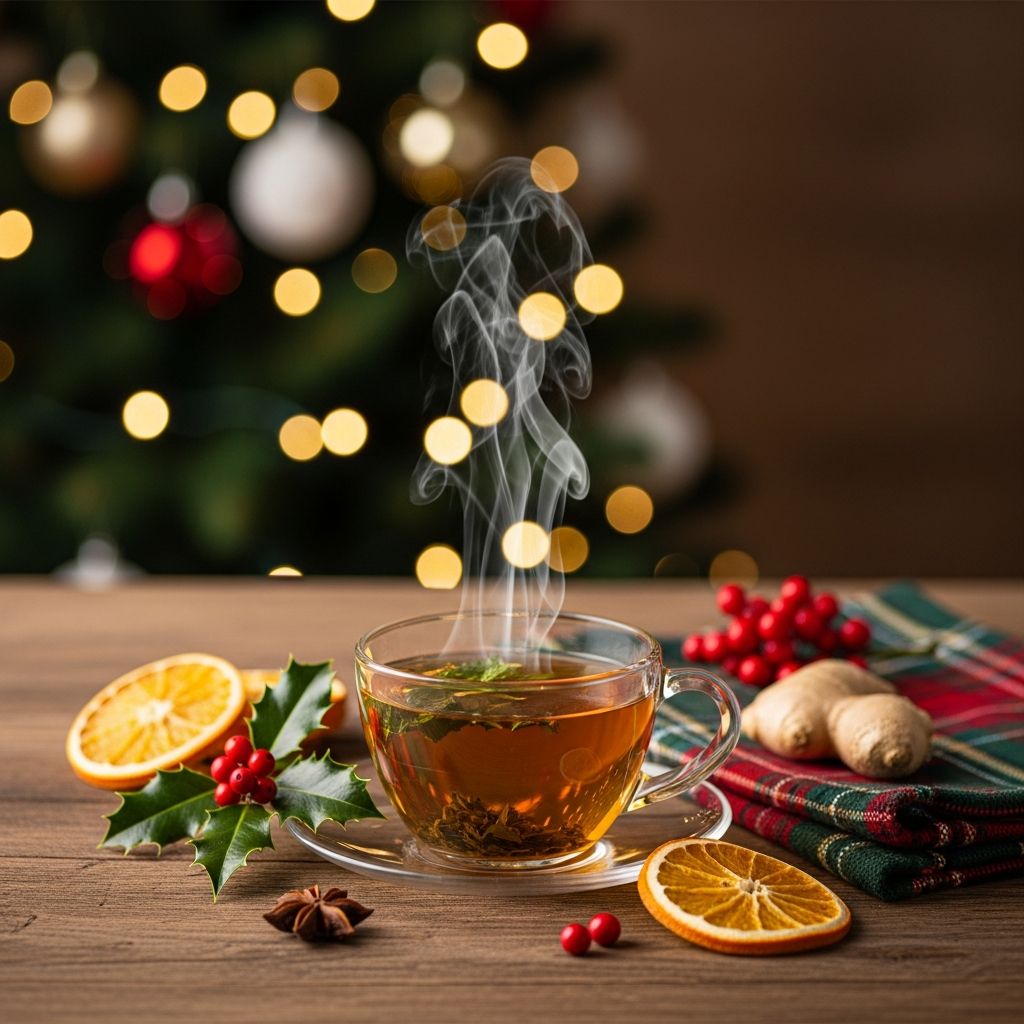
With all your festive feasting, uncomfortable bloating and stomach pain can dampen the fun. But your Christmas indigestion can be managed with these handy tips and tricks to help keep your gut merry and bright throughout the holiday season.
What is indigestion?
Indigestion, also known as dyspepsia, is a common symptom of an upper gut problem affecting around 2 in 5 people at some point. It typically causes discomfort or pain in the upper tummy and usually resolves on its own, though it can be unpleasant, especially during festive times.
Christmas indulgence often exacerbates these symptoms due to rich foods, large meals, and lifestyle changes. While not usually serious, frequent indigestion warrants medical attention.
Other possible symptoms include:
- Feeling bloated or full, even after small meals
- Heartburn – a burning sensation in the chest
- Feeling sick (nausea)
- Belching or bringing up fluid
- Flatulence (farting)
These symptoms can be particularly annoying on Christmas Day when you’re trying to enjoy family time and festivities. The good news is they often subside quickly and aren’t a major health concern. However, if indigestion frequently disrupts your life, consult your doctor for tailored treatment options.
What can trigger Christmas indigestion?
Reema Pillai, a London-based dietitian, explains: “Christmas-time includes a wide variety of foods that can contribute to indigestion. In particular, fatty foods that are greasy or higher in fats can lead to indigestion, as can certain spicy foods. An increase in alcohol, fizzy drinks, or chocolate are also frequent contributors to indigestion.”
Our intake of these treats spikes during the holidays as we embrace the festive spirit. While moderate indulgence is enjoyable, those prone to indigestion can minimize issues by moderating consumption without eliminating favorites entirely.
The way we eat at Christmas is equally crucial. Festive habits like the following often trigger symptoms:
- Eating large meals in one sitting
- Eating too quickly without proper chewing
- Consuming food just before bed
- Continuing to eat even when full
- Overconsumption of alcohol or carbonated beverages
These behaviors slow digestion, increase stomach acid production, and pressure the lower esophageal sphincter, leading to reflux. Stress from holiday preparations can also play a role, as anxiety affects gut motility.
How do you stop indigestion at Christmas?
Prevention is the best strategy for combating Christmas indigestion. Completely avoiding trigger foods on Christmas Day is unrealistic, so focus on moderation: spread indulgent items throughout the day rather than loading one plate.
Pillai shares practical tips to keep your gut happy:
Pillai’s top tips for preventing Christmas indigestion
- Limit triggers: Identify and reduce foods/drinks that spark symptoms, like fatty meats, spicy sauces, or chocolate.
- Moderate intake: Be mindful of quantity and frequency of treats.
- Smaller meals: Opt for smaller, more frequent meals instead of three large ones to ease stomach pressure.
- Eat slowly: Take time to chew thoroughly, relax during meals, and avoid rushing.
- Stop when full: Listen to your body’s signals and cease eating at comfortable fullness.
- Manage stress: Practice relaxation techniques, as anxiety can worsen indigestion.
Related Stories



Additional strategies include having Christmas dinner at lunchtime rather than late evening, allowing more digestion time before bedtime. Loosen tight clothing post-meal to reduce abdominal pressure, and keep a food-symptom diary to pinpoint personal triggers like onions, tomatoes, or citrus.
| Trigger Foods/Drinks | Why They Cause Issues | Alternatives |
|---|---|---|
| Fatty roasts, sausages | Slow digestion, increase acid | Lean turkey, grilled fish |
| Fizzy drinks, alcohol | Bloating, relax LES | Water, herbal tea |
| Chocolate, mince pies | Caffeine, fat content | Fruit-based desserts |
| Spicy stuffings | Irritate stomach lining | Herb-seasoned versions |
Relieving Christmas indigestion
If prevention fails after a lavish Christmas dinner, immediate steps can provide relief. Stay upright and maintain good posture to aid digestion and prevent acid reflux, where stomach acid backs up into the esophagus. Avoid lying down right after eating, as gravity helps keep acid in place.
A short walk after meals promotes digestion without vigorous exercise, which could worsen symptoms. Chewing sugar-free gum post-meal may reduce acid reflux by stimulating saliva production, though evidence varies.
Over-the-counter remedies are readily available:
- Antacids: Neutralize stomach acid in tablet or liquid form for quick relief.
- H2 blockers: Reduce acid production for moderate symptoms.
- Proton pump inhibitors (PPIs): Pharmacists can recommend these for longer-lasting suppression; ideal for persistent issues.
Use antacids wisely – while effective short-term, long-term use may impact gut microbiome, so consult a doctor for chronic cases.
For ongoing indigestion affecting daily life, seek medical advice. Your doctor can identify triggers, rule out underlying conditions, and prescribe suitable treatments.
When to see a doctor
Occasional Christmas indigestion is normal, but persistent or severe symptoms require attention. Warning signs include:
- Indigestion lasting over 2 weeks
- Weight loss without trying
- Difficulty swallowing
- Vomiting, especially with blood
- Severe chest pain radiating to arms/neck (could indicate heart issues)
“Burning central chest pain, while typical for reflux, can also be heart-related,” notes an expert. Always seek prompt care for severe pain. Pregnant individuals, those with obesity, or on certain medications should monitor closely.
Frequently Asked Questions (FAQs)
Q: Can stress cause Christmas indigestion?
A: Yes, holiday stress and anxiety can contribute by affecting gut motility and increasing acid production. Relaxation techniques help mitigate this.
Q: Is it safe to take antacids every Christmas?
A: Occasional use is fine, but frequent reliance warrants doctor consultation to avoid long-term effects on gut health.
Q: How long does Christmas indigestion last?
A: Symptoms usually resolve within hours to a day. If longer, check for other causes.
Q: Are there natural remedies for relief?
A: Ginger tea, upright posture, and small sips of water can soothe. Avoid unproven home cures without evidence.
Q: Does chewing gum really help?
A: Studies suggest sugar-free gum post-meal reduces reflux symptoms by boosting saliva, but results vary.
By following these strategies, you can savor the holidays without gut woes derailing the joy. Moderation, awareness, and quick relief keep the festivities digestive-drama free.
References
- How to deal with Christmas indigestion — Patient.info. 2024-12-03. https://patient.info/features/digestive-health/how-to-deal-with-christmas-indigestion
- Tips for avoiding acid reflux (heartburn) at Christmas — King Edward VII’s Hospital. N/A. https://www.kingedwardvii.co.uk/health-hub/tips-for-avoiding-acid-reflux-heartburn-at-christmas
- Is it indigestion or something more serious? — Patient.info. N/A. https://patient.info/features/digestive-health/is-it-indigestion-or-something-more-serious
Similar Articles








Read full bio of Sneha Tete