Holiday Anxiety: Proven Strategies To Reclaim The Season
Practical strategies to manage holiday stress, recognize symptoms, and enjoy the festive season without anxiety overwhelming you.
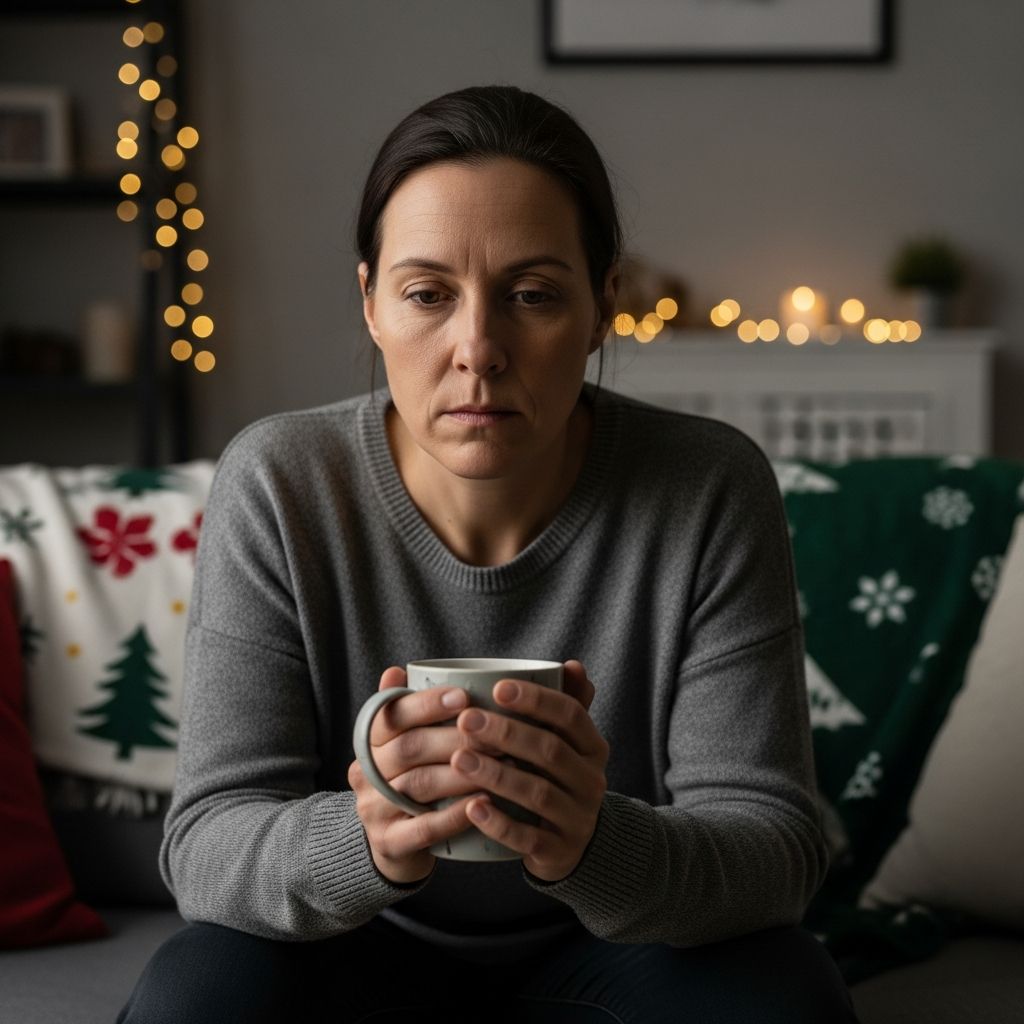
The holiday season is often portrayed as a time of joy, family gatherings, and celebration. However, for many, it brings heightened
holiday anxiety
and stress that can overshadow the festivities. Up to 80% of people report feeling stressed during holidays, with nearly one-third experiencing anxiety symptoms like sleep disturbances and increased worry. This article explores the signs, causes, and proven strategies to manage holiday anxiety effectively, helping you reclaim the season.What is Holiday Anxiety?
**Holiday anxiety** refers to the heightened feelings of worry, stress, or overwhelm that arise during festive periods, often due to pressures like financial strain, family dynamics, and disrupted routines. According to the American Psychological Association (APA), holiday stress impacts 38% of people, manifesting in physical and emotional symptoms. Unlike general anxiety, it is typically temporary but can exacerbate underlying conditions like generalized anxiety disorder (GAD) or depression if unaddressed.
Recognizing holiday anxiety early allows for proactive management. Common triggers include unrealistic expectations of perfection, social obligations, and the contrast between idealized holiday images on social media and real-life experiences.
Signs and Symptoms of Holiday Anxiety
Holiday anxiety presents through physical, emotional, behavioral, and cognitive symptoms. Identifying these early can prevent escalation.
Physical Symptoms
Stress often shows up physically first. Common signs include:
- Headaches and muscle tension from constant worry.
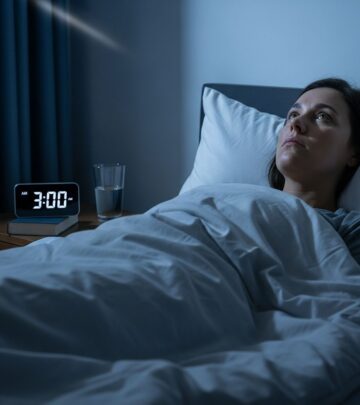
- Fatigue and sleep disturbances, as anxiety disrupts rest cycles.
- Chest tightness, upset stomach, or changes in appetite.
- Increased heart rate or shortness of breath, mimicking panic.
These symptoms create a cycle: poor sleep worsens irritability, amplifying stress. A National Alliance on Mental Illness (NAMI) survey notes 64% of those with mental health issues struggle more during holidays.
Emotional Changes
Emotions fluctuate wildly under holiday pressure:
- Irritability: Minor issues trigger outsized frustration.
- Feelings of dread or unease about events.
- Mood swings between joy and sadness.
- Loss of enthusiasm for once-enjoyed activities.
These can strain relationships, turning gatherings into tension-filled events.
Behavioral Signs
Behavioral shifts are telltale signs:
- Avoidance: Skipping social events due to overwhelm.
- Overcommitment leading to burnout.
- Procrastination on tasks like shopping.
- Overeating or excessive alcohol use as coping mechanisms.
Such patterns compound stress, making the season feel unmanageable.
Cognitive Symptoms
Mental processes suffer too:
- Difficulty concentrating on simple tasks.
- Negative thought patterns or catastrophizing.
- Forgetfulness and decision fatigue.
These impair daily functioning, turning gift selection or planning into daunting chores.
Causes and Triggers of Holiday Anxiety
Several factors fuel holiday anxiety:
- Financial Pressure: Overspending on gifts to meet expectations.
- Family Dynamics: Reunions revive old conflicts.
- Disrupted Routines: Travel, irregular sleep, and overindulgence.
- Social Media Comparison: Perfect online holidays breed inadequacy.
- Seasonal Affective Disorder (SAD): Reduced daylight worsens mood in winter.
Panic triggers like unfamiliar travel environments affect up to 80%. Planning ahead mitigates these.
Related Stories



Practical Tips to Manage Holiday Anxiety
Effective strategies focus on self-care, boundaries, and mindfulness. Here’s how to cope:
Set Realistic Expectations
Ditch the ‘perfect holiday’ myth. Prioritize what matters: connection over extravagance. Set achievable goals to reduce pressure.
Budget Wisely
Create a spending plan and stick to it. This prevents financial regret. Track expenses daily to stay grounded.
Prioritize Self-Care
Maintain basics for resilience:
- Sleep: Aim for 7-8 hours nightly.
- Exercise: Walks release endorphins.
- Nutrition: Limit sugar and alcohol; stay hydrated.
Practice Mindfulness
Ground yourself with:
- 5-10 minute meditation focusing on breath.
- Gratitude journaling: Note three daily positives.
- Deep breathing: Inhale 4 seconds, hold 4, exhale 4.
Mindfulness-based stress reduction significantly lowers anxiety, per studies. Use logic to re-evaluate worries.
Limit Social Media
Set app time limits and unfollow triggering accounts. Focus on real life.
Set Boundaries
Learn to say no to extra commitments. Delegate tasks and communicate needs to family.
Stay Connected
Reach out to supportive friends. Social bonds buffer stress.
Maintain Routines
Especially for kids: Consistent sleep and meals prevent burnout. Get active with walks to clear your mind.
When to Seek Professional Help
Holiday anxiety is often short-term, but persistent symptoms warrant support. Seek help if:
- Anxiety lasts over two weeks, disrupting work or relationships.
- You experience unrelenting worry, sadness, or physical issues like headaches.
- Emotions feel unregulatable, leading to isolation or outbursts.
Options include therapy for coping skills, medication for severe cases, or TMS therapy for treatment-resistant anxiety. Light therapy aids SAD. Providers like MetroHealth emphasize early intervention.
| Aspect | Holiday Anxiety | Potential Serious Issue (e.g., SAD/Depression) |
|---|---|---|
| Duration | Temporary (seasonal) | Persistent (fall-winter) |
| Symptoms | Irritability, fatigue | Hopelessness, low energy, carb cravings |
| Response to Strategies | Improves with self-care | Requires professional treatment |
Frequently Asked Questions (FAQs)
What if holiday stress feels like depression?
If sadness, low energy, or disinterest persists beyond holidays, it may signal depression or SAD. Consult a provider for therapy or light therapy.
Can exercise really help holiday anxiety?
Yes, physical activity releases endorphins, reducing stress. Even short walks help.
How do I handle family conflicts during gatherings?
Set boundaries, take breaks, and focus on positive interactions. Preparation reduces tension.
Is holiday anxiety normal?
Common, affecting 38-80%, but unmanaged it risks health issues like high cortisol or weakened immunity.
When should I contact a professional?
If symptoms interfere with daily life for over two weeks.
By recognizing triggers and applying these strategies, you can navigate holiday anxiety. Prioritize your well-being for a joyful season.
References
- Recognizing and Managing Signs of Holiday Anxiety and Stress — TMS Institute. 2023. https://tmsinstitute.co/recognizing-and-managing-signs-of-holiday-anxiety-and-stress/
- Reclaim Your Holiday Season! A Glimpse into Holiday Anxiety — Center for Anxiety. 2023. https://www.centerforanxiety.org/reclaim-your-holiday-season-a-glimpse-into-holiday-anxiety/
- Holiday fun: A trigger for anxiety? — University of Miami News. 2024-12. https://news.miami.edu/stories/2024/12/holiday-fun-a-trigger-for-anxiety.html
- How to Handle Holiday Stress—and Know When It’s Something More — Be Simply Well (MetroHealth). 2024. https://besimplywell.org/how-to-handle-holiday-stress/
- Coping with holiday anxiety and stress — University of Iowa Health Care. 2024. https://uihc.org/health-topics/coping-holiday-anxiety-and-stress
- Managing Holiday Stress: Causes, Symptoms, and Coping Strategies — Perham Health. 2024. https://www.perhamhealth.org/managing-holiday-stress/
Similar Articles








Read full bio of Sneha Tete