How to Deal with Raynaud’s in the Winter Months
Essential strategies to manage Raynaud's phenomenon during cold winter months and prevent painful flare-ups effectively.
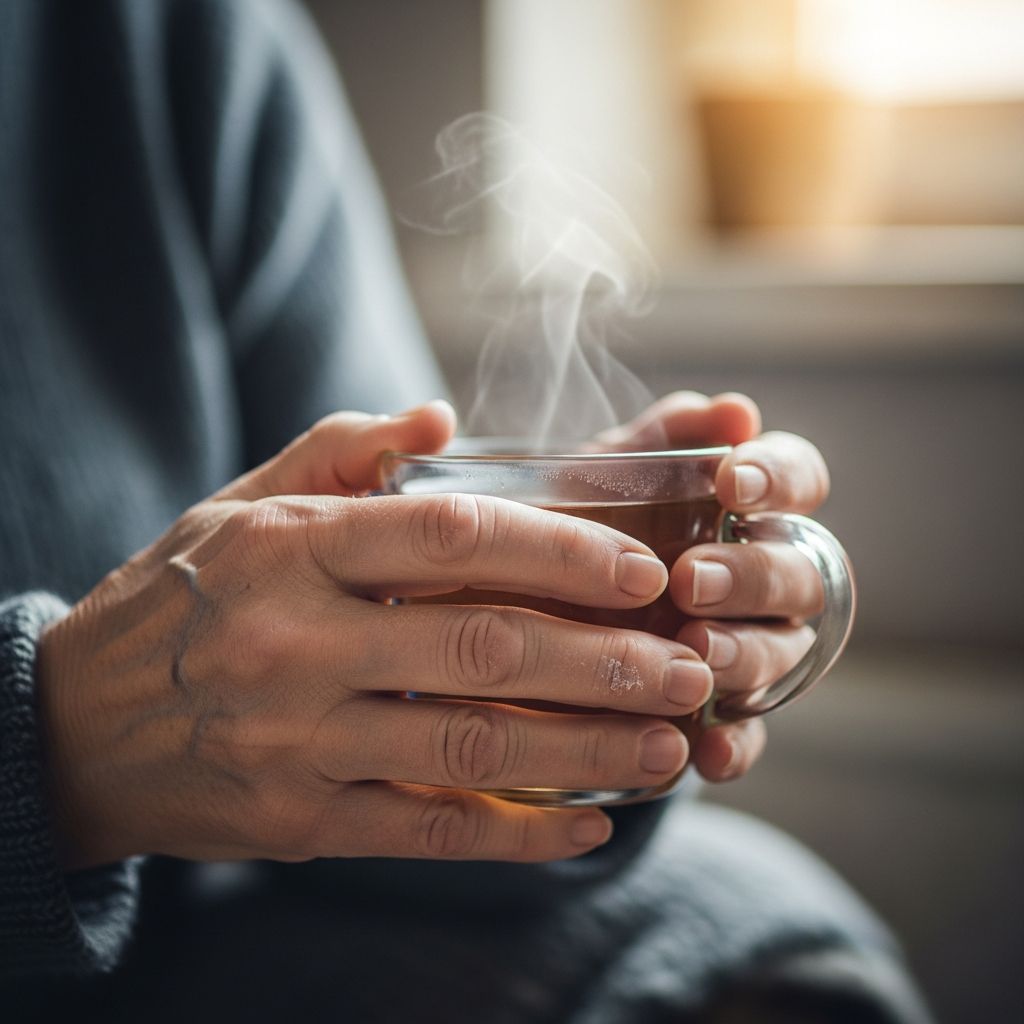
Raynaud’s phenomenon, a condition causing blood vessel spasms in response to cold or stress, leads to color changes, numbness, and pain in fingers and toes, particularly worsening during winter. This article provides detailed strategies to manage symptoms, reduce attacks, and prevent complications based on expert recommendations.
What is Raynaud’s Phenomenon?
Raynaud’s phenomenon occurs when small blood vessels in the fingers and toes spasm in response to cold temperatures or emotional stress, reducing blood flow. Affected areas typically turn white, then blue, and finally red upon rewarming, often accompanied by pain, tingling, or numbness. Primary Raynaud’s is idiopathic, while secondary Raynaud’s links to underlying conditions like autoimmune diseases.
In winter, cold air exacerbates spasms, making management crucial. Approximately 10% of people experience this, with women more affected. Early recognition helps in adopting preventive measures to maintain quality of life.
Why Winter Makes Raynaud’s Worse
Winter’s low temperatures directly trigger vasospasm by constricting blood vessels to preserve core body heat. Rapid temperature shifts, like entering heated indoor spaces from outdoors, or handling cold objects, intensify episodes. Wind chill, snow, and even indoor air conditioning amplify risks. Stress from holiday pressures or shorter days can compound cold-induced triggers.
Core body cooling, not just extremities, initiates attacks, emphasizing whole-body warmth. Without intervention, repeated episodes risk tissue damage like ulcers or, rarely, digit loss.
Practical Tips for Staying Warm in Winter
Maintaining consistent warmth is the cornerstone of Raynaud’s management. Focus on layering clothing, protecting extremities, and minimizing cold exposure.
- Wear layers: Use multiple thin layers of loose clothing to trap heat. Include thermal base layers, fleece mid-layers, and waterproof outer shells. Hats and scarves prevent heat loss from the head and neck.
- Protect hands and feet: Opt for insulated gloves, mittens (warmer than gloves), thick wool socks, and insulated boots. Chemical hand/foot warmers provide portable heat.
- Keep core warm: Warm vests, jackets, and avoiding bare midriffs ensure body heat retention. Use heated blankets or hot water bottles indoors.
- Avoid cold contacts: Wear gloves for fridge/freezer handling, cold drinks, or metal surfaces. Use insulated mugs for beverages.
- Home adjustments: Maintain indoor temperatures above 68°F (20°C), seal drafts, and use door closers. Preheat shoes/clothes with a hairdryer before outings.
These steps reduce attack frequency by preventing vessel constriction.
Lifestyle Changes to Reduce Raynaud’s Attacks
Beyond warmth, lifestyle modifications address triggers and improve circulation.
- Quit smoking and limit caffeine: Both constrict vessels; cessation boosts blood flow.
- Exercise regularly: Activities like walking or swimming enhance circulation. Swing arms or wiggle fingers if cold. Avoid cold-weather workouts if triggering.
- Manage stress: Techniques like deep breathing, mindfulness, or yoga prevent emotional triggers.
- Avoid vibratory tools: Prolonged use (e.g., power tools) can provoke spasms.
- Dietary aids: Fish oil supplements may improve flow; discuss with a doctor.
| Trigger | Avoidance Strategy |
|---|---|
| Cold exposure | Layering, warmers |
| Stress | Relaxation techniques |
| Smoking/Caffeine | Quit or reduce |
| Rapid temp changes | Gradual transitions |
Implementing these holistically minimizes episodes.
How to Manage a Raynaud’s Attack
When an attack occurs, prompt action shortens duration and eases pain.
- Get to a warm environment immediately.
- Wiggle fingers/toes vigorously or swing arms in circles to promote flow.
- Place hands under armpits or massage gently.
- Run lukewarm (not hot) water over affected areas.
- Relax if stress-induced; use breathing exercises.
Avoid rubbing harshly or using extreme heat to prevent injury. Attacks typically last 15-30 minutes.
Medications and Advanced Treatments
For frequent/severe cases, medications relax vessels after lifestyle fails.
- Calcium channel blockers: First-line (e.g., nifedipine); dilate vessels, reducing attacks.
- Other options: ARBs, sildenafil, or prostacyclins for refractory cases.
- Topicals: Nitroglycerin ointment for localized relief.
- Alternatives: Ginkgo, acupuncture, or biofeedback may help some.
Surgery (sympathectomy) is rare, for ulcers. Consult a rheumatologist.
When to See a Doctor
Seek care if: attacks persist despite measures, digital ulcers develop, pain is unrelenting, or new symptoms suggest secondary causes. Rheumatologists diagnose via history, exam, or tests like nailfold capillaroscopy.
FAQs
What triggers Raynaud’s most in winter?
Cold air, rapid temperature changes, and stress.
Are mittens better than gloves?
Yes, they trap more air for warmth.
Can exercise worsen Raynaud’s?
In cold conditions, yes; warm up first.
Is Raynaud’s curable?
No, but manageable with strategies.
What if I get ulcers?
Urgent medical attention to prevent infection/loss.
References
- Raynaud’s Syndrome: Treatment and Pictures — GoodRx. 2023. https://www.goodrx.com/conditions/raynauds-phenomenon/raynauds-syndrome-treatment
- Living with Raynaud’s? 6 tips for managing pain and flare-ups — UCLA Health. 2023. https://www.uclahealth.org/news/article/living-with-raynauds-6-tips-managing-pain-and-flare-ups
- Raynaud’s Phenomenon: Diagnosis, Treatment, and Steps to Take — NIAMS, NIH. 2024-01-15. https://www.niams.nih.gov/health-topics/raynauds-phenomenon/diagnosis-treatment-and-steps-to-take
- Raynaud’s disease – Diagnosis and treatment — Mayo Clinic. 2024-05-10. https://www.mayoclinic.org/diseases-conditions/raynauds-disease/diagnosis-treatment/drc-20363572
- Raynaud’s Phenomenon — American College of Rheumatology. 2023-11-01. https://rheumatology.org/patients/raynauds-phenomenon
Similar Articles


Read full bio of Sneha Tete