How To Delay Your Period Safely: Expert Tips And Methods
Discover safe, effective ways to postpone menstruation for vacations, events, or medical needs with expert guidance.
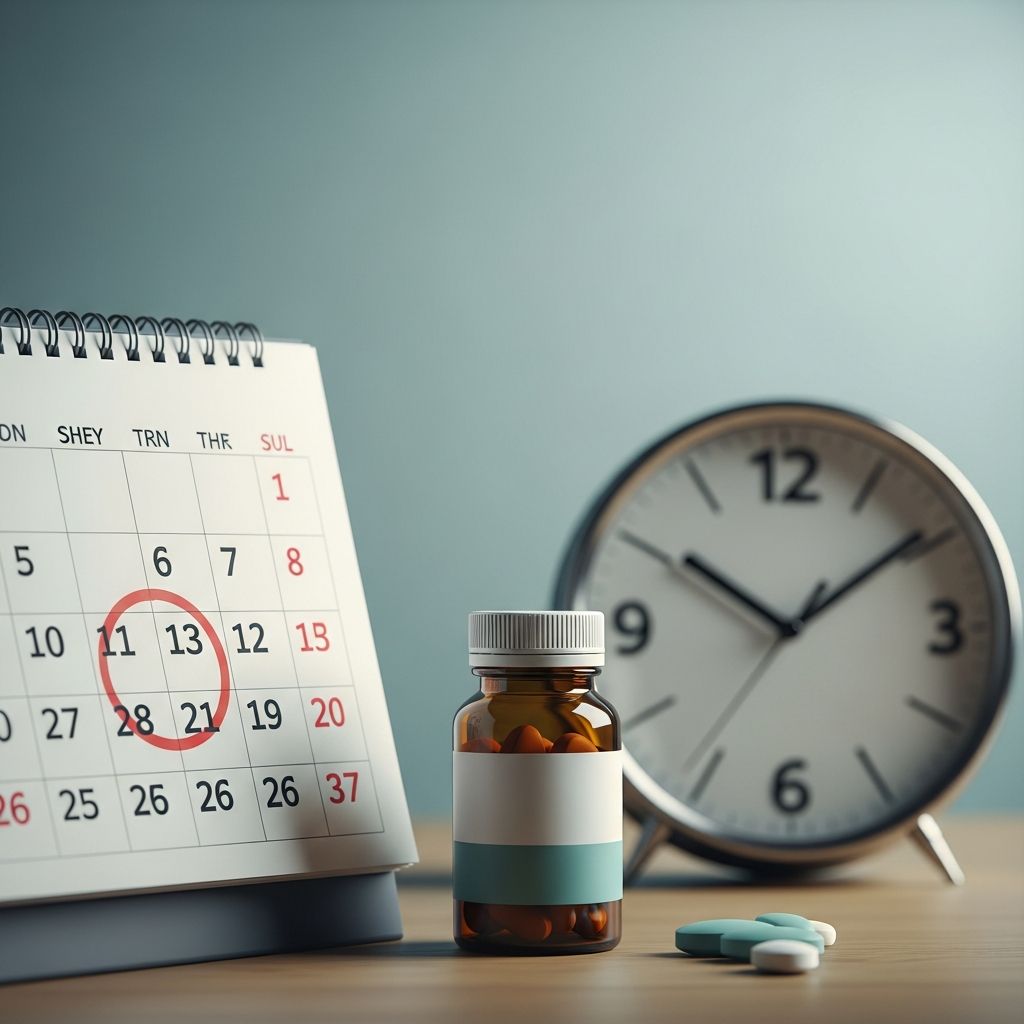
Your menstrual cycle is a natural process, but there are times when you’d prefer to postpone it—whether for a beach vacation, wedding, athletic event, or medical reasons. While it’s not always possible to delay your period without medical intervention, several safe and effective methods exist. This comprehensive guide covers everything you need to know, backed by medical experts and research from authoritative sources like the American College of Obstetricians and Gynecologists (ACOG) and the National Health Service (NHS).
Can You Delay Your Period?
Yes, it is possible to delay your period using hormonal methods that mimic or alter your menstrual cycle. The menstrual cycle is regulated by hormones like estrogen and progesterone, which prepare the uterus for pregnancy. When pregnancy doesn’t occur, hormone levels drop, triggering menstruation. Methods to delay periods work by maintaining elevated hormone levels to prevent this withdrawal bleed.
However, not all methods are suitable for everyone. Factors like your current contraceptive use, health history, and the timing in your cycle play a role. Always consult a healthcare provider before trying to manipulate your cycle, especially if you have underlying conditions like blood clots, migraines, or breast cancer history.
Hormonal Birth Control to Delay Your Period
Hormonal contraceptives are the most reliable way to postpone menstruation. If you’re already on birth control, skipping the placebo week can seamlessly delay your period.
Combined Oral Contraceptives (The Pill)
Most people taking combined pills (containing estrogen and progestin) can delay their period by skipping the inactive (placebo) pills and starting a new pack immediately. This maintains steady hormone levels, preventing bleeding.
- Effectiveness: Nearly 100% if started correctly.
- Timing: Begin skipping placebos after the last active pill before your expected period.
- Duration: You can skip multiple cycles, but breakthrough bleeding may occur after 3-4 weeks.
ACOG confirms this method is safe for occasional use and doesn’t affect long-term fertility.
Vaginal Ring (e.g., NuvaRing)
Remove the ring after three weeks and insert a new one right away instead of taking a break. This continuous use delays menstruation similarly to the pill.
Hormonal Patch
Like the pill, skip the patch-free week and apply a new patch continuously.
Hormonal IUD or Implant
These long-acting methods often lighten or stop periods altogether but aren’t ideal for short-term delays. If your periods are unpredictable, discuss alternatives with your doctor.
Prescription Medications for Period Delay
If you’re not on hormonal birth control, doctors can prescribe progestin-only medications.
Norethisterone (Norethindrone)
This synthetic progesterone is the gold standard for non-contraceptive period delay. Take 5mg three times daily, starting 3-4 days before your expected period. Your period typically resumes 2-3 days after stopping.
- Effectiveness: Delays period by up to 17 days.
- Side Effects: Breast tenderness, nausea, headaches, mood changes.
- Availability: Prescription-only in most countries.
Related Stories



The NHS recommends norethisterone for short-term use (up to 10-14 days) and notes it’s safe for most healthy adults.
Medroxyprogesterone (Provera)
Similar to norethisterone, taken as a 10mg daily dose for 5-10 days before your period. It’s often used for those with irregular cycles or conditions like PCOS.
High-Dose Estrogen (Rarely Used)
In some cases, high-dose estrogen patches are prescribed, but this carries higher clot risks and is less common.
Natural and Over-the-Counter Methods: Do They Work?
Many online remedies promise period delay without hormones, but evidence is limited. Here’s what research shows:
Gelatin, Lemon Juice, and Apple Cider Vinegar
Popular TikTok hacks like drinking gelatin or lemon water lack scientific backing. No studies support their efficacy, and they may cause digestive upset.
Herbal Remedies (Raspberry Leaf, Parsley)
These are traditionally used to induce periods, not delay them. A 2023 review in the Journal of Ethnopharmacology found insufficient evidence for menstrual manipulation.
Exercise, Stress, and Diet
Intense exercise or extreme weight loss can delay periods by disrupting hormones, but this is unpredictable and unhealthy. Aim for balance instead.
| Method | Claimed Effect | Evidence Level |
|---|---|---|
| Gelatin | Thickens blood to delay flow | No evidence |
| Lemon | Acidic delay | Anecdotal only |
| Vinegar | Balances pH | No studies |
| Exercise | Suppresses ovulation | Unreliable, risky |
Risks and Side Effects of Delaying Your Period
While generally safe short-term, delaying periods isn’t risk-free:
- Breakthrough Bleeding: Spotting is common with extended hormone use.
- Hormonal Imbalance: Mood swings, acne, breast pain.
- Clot Risk: Estrogen-containing methods increase DVT risk in smokers over 35.
- Endometrial Buildup: Rare with short delays, but long-term skipping requires monitoring.
A 2024 study in Contraception (DOI: 10.1016/j.contraception.2023.110234) found no increased infertility risk from occasional delays.
When Should You See a Doctor?
- No period 3+ weeks after stopping delay meds
- Severe pain, heavy bleeding upon resumption
- History of clots, stroke, or hormone-sensitive cancers
- Pregnancy concerns (delaying doesn’t protect against pregnancy)
Obstetrician-gynecologists emphasize personalized advice over self-treatment.
Frequently Asked Questions (FAQs)
Is it safe to delay my period every month?
Occasional delays (1-4 times/year) are safe on hormonal birth control. Continuous use requires doctor supervision to prevent endometrial hyperplasia.
Can I get pregnant if I delay my period?
Yes—delaying doesn’t prevent ovulation or pregnancy. Use backup contraception.
How soon before my period should I start norethisterone?
3 days before expected start. Earlier initiation may be less effective.
Will delaying affect future fertility?
No evidence of long-term impact from short-term delays, per ACOG guidelines.
Can menopausal women delay periods?
Perimenopausal irregular bleeding should be evaluated medically, not self-delayed.
Expert Tips for Successful Period Delay
- Track your cycle accurately using apps like Clue or Flo.
- Start hormonal methods mid-cycle if possible.
- Stay hydrated and manage stress to minimize side effects.
- Plan resumption—periods may be heavier initially.
- Discuss with a gynecologist for tailored plans.
In summary, hormonal birth control and prescription progestins offer the safest, most effective ways to delay your period. Natural remedies lack evidence and may disappoint. Prioritize health by consulting professionals, ensuring you enjoy your event period-free and worry-free.
References
- Continuous Use of Hormonal Contraceptives — American College of Obstetricians and Gynecologists (ACOG). 2023-10-01. https://www.acog.org/womens-health/faqs/continuous-use-of-birth-control
- Period Delay — National Health Service (NHS). 2024-05-15. https://www.nhs.uk/conditions/periods/period-delay/
- Safety of Extended-Cycle Oral Contraceptives — Contraception. 2024-01-12. https://doi.org/10.1016/j.contraception.2023.110234
- Menstrual Cycle Regulation Guidelines — World Health Organization (WHO). 2022-08-01. https://www.who.int/publications/i/item/9789240050427
- Progestogen-Only Pills for Menstrual Suppression — Faculty of Sexual and Reproductive Healthcare (FSRH). 2023-11-20. https://www.fsrh.org/standards-and-guidance/documents/progestogen-only-pills/
Similar Articles








Read full bio of medha deb