How To Disinfect A Thermometer: 6 Essential Steps
Learn essential steps to clean and disinfect thermometers safely, preventing germ spread in homes and clinics.
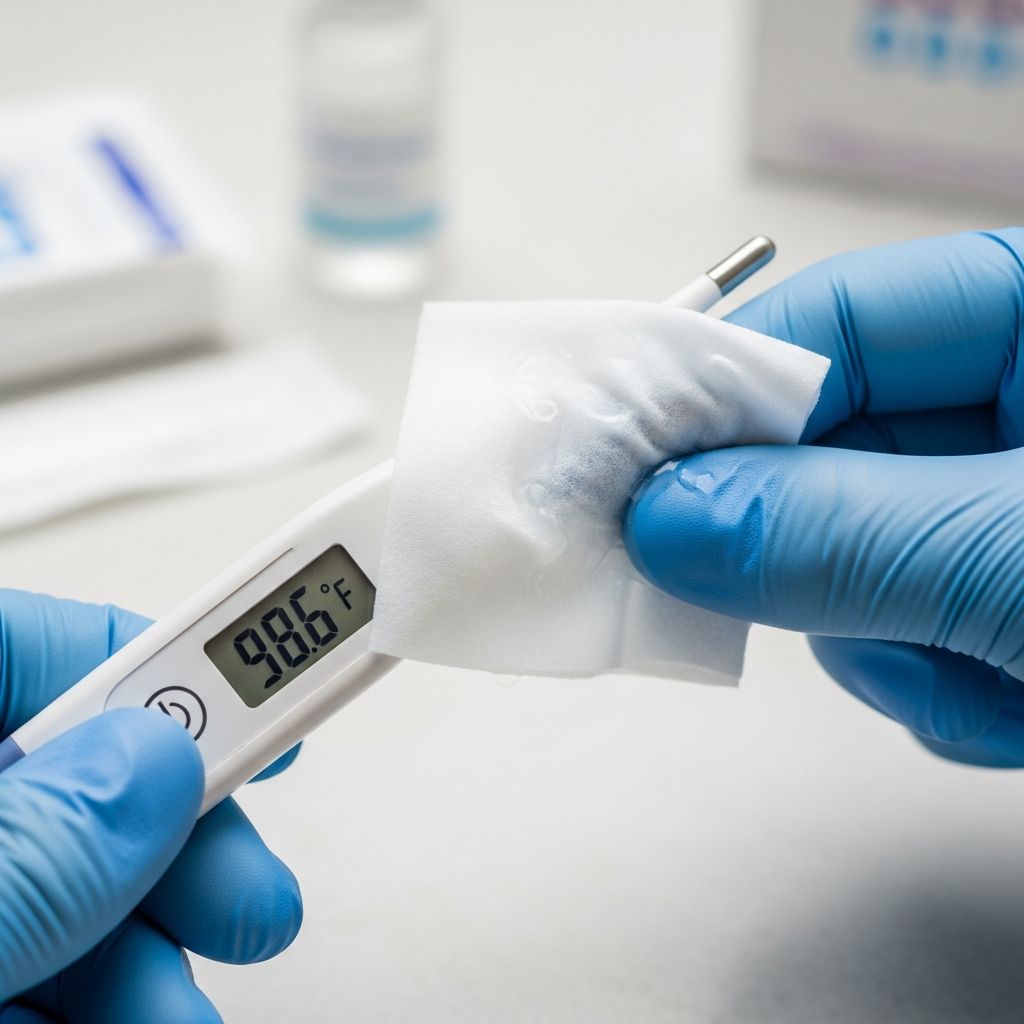
Disinfecting a thermometer after every use is crucial to prevent the spread of germs, bacteria, and viruses, especially during illness seasons like flu outbreaks. Thermometers contact skin, saliva, or bodily fluids, making proper cleaning essential for household and clinical safety.
Why You Need to Disinfect Your Thermometer
Cleaning thermometers helps prevent the spread of infections from contagious illnesses such as the flu, diarrhea, or urinary tract infections. The World Health Organization recommends disinfecting medical instruments like thermometers after every patient use to minimize pathogen transmission. Studies show that regular disinfection of patient care devices reduces germ spread significantly. In homes, this protects family members, particularly vulnerable children and elderly individuals.
Failure to disinfect can lead to cross-contamination. For instance, a thermometer used on a sick child could transfer pathogens to another family member if not cleaned properly. Healthcare settings report low disinfection rates—only 20.4% for non-infrared thermometers after use—highlighting the need for better practices.
How Often Should You Disinfect a Thermometer?
Disinfect your thermometer before and after every use. This dual cleaning prevents introducing new germs and removes those picked up during measurement. The CDC emphasizes thorough cleaning for healthcare equipment to maintain hygiene standards. In households, make it a routine, especially during fevers or outbreaks.
- Before use: Wipe to ensure no residue from storage.
- After use: Clean immediately to kill pathogens.
- Storage: Air dry completely and store in a clean case.
Supplies Needed for Disinfecting a Thermometer
Gather these essentials for effective cleaning:
- 70% isopropyl alcohol or alcohol-based wipes (most effective against bacteria and viruses)
- Antibacterial liquid soap and warm water
- Cotton balls or soft, lint-free cloths
- Clean paper towels for drying
- Protective case for storage
Avoid harsh chemicals, abrasive materials, or submerging non-waterproof devices, as they can damage sensors or electronics. Always check the manufacturer’s guidelines to prevent warranty issues.
How to Disinfect Different Types of Thermometers
Oral and Axillary Thermometers
These contact saliva or skin directly. Follow these steps:
- Wash with antibacterial soap and warm water to remove debris.
- Rinse under cool running water.
- Dip a cotton ball in 70% isopropyl alcohol and wipe the entire probe thoroughly.
- Rinse again to remove alcohol residue if needed.
- Air dry on a clean paper towel.
Soap alone removes fecal or organic matter that alcohol might not.
Rectal Thermometers
Rectal use involves more contamination risk from stool.
Before use:
- Dip cotton ball in rubbing alcohol, squeeze excess, wipe tip.
- Let alcohol evaporate for 10-15 seconds.
After use:
- Clean tip with soap and water to remove remnants.
- Wipe with alcohol.
- Air dry before storing.
Digital Thermometers
Common for home use, but avoid wetting the screen or electronics.
- If not waterproof, remove batteries.
- Wipe probe and body with alcohol-soaked cloth, avoiding immersion.
- Do not rinse the display area.
- Air dry completely before reinserting batteries.
Glutaraldehyde or iodine solutions are CDC alternatives, but alcohol is most accessible.
Related Stories



Forehead (Temporal Artery) Thermometers
These infrared devices scan the forehead.
- Wipe sensor and exterior with alcohol wipe or soft cloth; avoid excess liquid.
- No submersion needed.
- Refer to manual for model-specific care.
Ear (Tympanic) Thermometers
Ear wax poses unique challenges.
- Use soft cloth to remove wax from probe.
- Disinfect with alcohol wipe, focusing on tip.
- Avoid probes in liquids unless specified.
Non-Contact Infrared Thermometers
FDA-approved for ease, these minimize contact.
- Wipe lens and body with alcohol wipe.
- No probe cleaning required, reducing contamination risk.
- Quick disinfection makes them ideal for clinics.
Step-by-Step Guide to Disinfecting a Thermometer
Universal method for most types:
| Step | Action | Tips |
|---|---|---|
| 1. Wash Hands | Soap and water for 20 seconds. | Prevents hand-to-thermometer transfer. |
| 2. Rinse Debris | Cool water over probe. | Removes visible matter. |
| 3. Soap Clean | Antibacterial soap scrub. | Best for organic residue. |
| 4. Alcohol Disinfect | 70% isopropyl wipe down. | Kills 99% germs; let evaporate. |
| 5. Rinse (Optional) | Cool water if residue present. | Avoid on electronics. |
| 6. Dry & Store | Air dry on towel, case storage. | Prevents moisture damage. |
Common Mistakes to Avoid When Disinfecting Thermometers
- Skipping soap: Alcohol doesn’t remove debris.
- Using low-alcohol (<70%): Ineffective against pathogens.
- Submerging non-waterproof models: Damages internals.
- Not drying fully: Leads to bacterial growth.
- Sharing without cleaning: High cross-infection risk.
Expert Tips for Thermometer Hygiene
- Practice hand hygiene before/after handling.
- Label thermometers for family members (e.g., rectal vs. oral).
- Use disposable probe covers if available.
- Replace damaged or old thermometers.
- In clinics, follow protocols; studies show poor compliance.
Non-contact models reduce cleaning needs and contamination.
Frequently Asked Questions (FAQs)
Can I use boiling water to disinfect a thermometer?
No, boiling risks damage and inaccuracy. Stick to alcohol or soap methods per manufacturer.
Are alcohol wipes sufficient alone?
They disinfect but pair with soap for debris removal.
How do I clean a glass/mercury thermometer?
Wash with soap/water, disinfect with alcohol; avoid if broken (dispose safely).
Can hand sanitizer clean thermometers?
No, it’s for skin; use medical-grade disinfectants.
Do non-contact thermometers need disinfection?
Yes, wipe exterior regularly despite no contact.
Additional Hygiene Practices
Combine thermometer care with broader habits: isolate sick individuals, wash hands frequently, and disinfect surfaces. During pandemics, non-contact options are preferable for safety. Studies from 1953 confirm wiping before disinfection enhances efficacy.
Maintain accuracy by avoiding drops or extreme temperatures post-cleaning. For healthcare pros, CDC guidelines stress rinsing after certain disinfectants.
References
- How to Clean and Disinfect a Thermometer and When to Do It — Business Insider. 2023. https://www.businessinsider.com/reference/how-to-clean-a-thermometer
- How to Disinfect a Thermometer — TriMedika. 2024. https://trimedika.com/how-to-disinfect-a-thermometer/
- How To Sanitize A Thermometer — PhoneSoap. 2023. https://www.phonesoap.com/blogs/news/how-to-sanitize-a-thermometer
- Studies on Disinfection of Clinical Thermometers — ASM Journals. 1953-01-01. https://journals.asm.org/doi/pdf/10.1128/am.1.4.187-194.1953
- Disinfection of Stethoscope and Non-Infrared Thermometer — NIH (PMC). 2021-01-12. https://pmc.ncbi.nlm.nih.gov/articles/PMC7802342/
- Disinfection of Healthcare Equipment — CDC. 2024. https://www.cdc.gov/infection-control/hcp/disinfection-sterilization/healthcare-equipment.html
- Non-contact Infrared Thermometers — FDA. 2024. https://www.fda.gov/medical-devices/general-hospital-devices-and-supplies/non-contact-infrared-thermometers
Similar Articles








Read full bio of Sneha Tete