How to Drink Less Over Christmas and New Year
Master festive drinking with expert strategies to enjoy celebrations responsibly and start 2026 healthier.
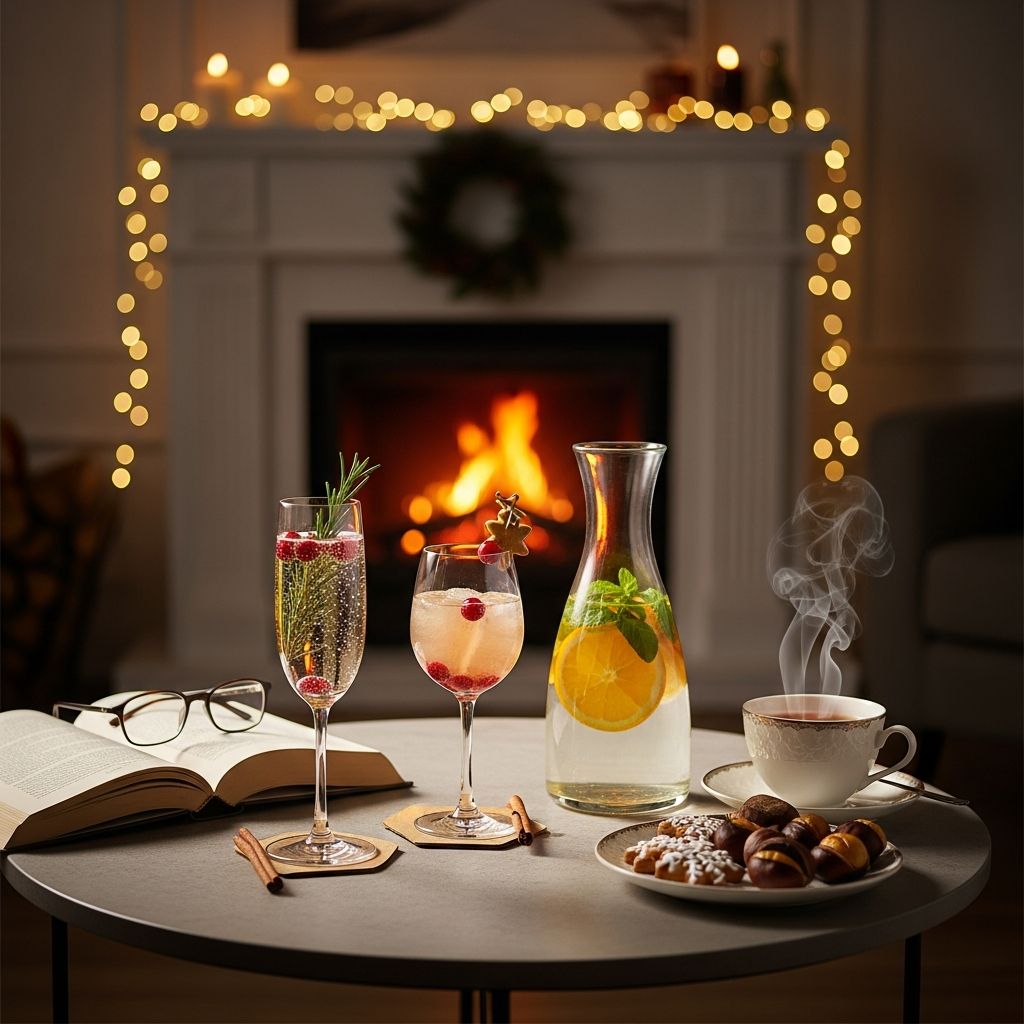
Christmas and New Year celebrations are times when friends and family gather together to mark the festive season. However, these occasions often come with social pressure to drink more alcohol than usual, which can lead to over-indulgence and potential health consequences. As Andrew Misell, director for Wales at Alcohol Change UK, explains: “Christmas and the New Year are a time when friends and family get together. It’s also a time for over-indulgence, which can mean we end up drinking more than we would like.” Learning how to manage your alcohol consumption during this period allows you to enjoy the festivities while protecting your physical and mental wellbeing.
Understanding the Risks of Binge Drinking at Christmas
The festive season presents unique challenges when it comes to alcohol consumption. With party invitations, work celebrations, family dinners, and New Year’s Eve events filling calendars throughout December and January, it becomes increasingly easy to lose track of how much you’re drinking. Too much alcohol consumption during this period can have immediate and long-term consequences for your health.
While enjoying alcohol over the festive season can be fun and part of the celebration, it can quickly spiral out of control. Excessive drinking during Christmas and New Year can cause poor decision-making, put you in unsafe situations, and damage both your physical and mental health. Drinkaware warns that in the long run, regularly drinking over the recommended 14 units a week can significantly increase your risk of developing a range of serious diseases, including liver disease, heart disease, various cancers, and mental health conditions.
Key Health Implications of Excessive Festive Drinking
Understanding the potential health consequences of binge drinking during the festive period can motivate you to stick to safer drinking practices. The risks range from immediate discomfort to potentially serious long-term health complications:
- Liver damage: Excessive alcohol consumption puts strain on your liver, which can lead to fatty liver disease, cirrhosis, and liver failure over time.
- Heart disease: Heavy drinking raises blood pressure and can contribute to cardiomyopathy and irregular heartbeat.
- Cancer risk: Regular heavy alcohol consumption increases the risk of several cancers, including breast, colon, and throat cancer.
- Mental health issues: While alcohol may seem to relax you temporarily, it disrupts brain chemistry and can lead to anxiety and depression.
- Weakened immunity: Excessive drinking suppresses immune function, making you more susceptible to infections.
- Poor sleep quality: Although alcohol may help you fall asleep initially, it disrupts sleep patterns and prevents restorative rest.
- Weight gain: Alcoholic beverages are calorie-dense, and festive drinking combined with seasonal treats can lead to significant weight gain.
Planning Your Festive Drinking Strategy
The most effective way to manage your alcohol consumption during the festive season is to make a plan in advance. “If you want to feel festive rather than frazzled, it’s a good idea to make a plan in advance, of how much you want to drink, and try to stick to it,” advises Misell. This proactive approach helps you set clear boundaries before you’re in situations where social pressure might influence your decisions.
Start by deciding how many units of alcohol you want to consume per week, keeping in mind the UK Chief Medical Officers’ low-risk drinking guidelines. Then, think about the specific events you’ll be attending and how much you plan to drink at each one. Write down your goals and refer back to them when you feel tempted to exceed your limits.
Related Stories



Follow the Low-Risk Drinking Guidelines
The UK Chief Medical Officers’ guidelines recommend that both men and women drink no more than 14 units of alcohol per week. This translates to approximately six pints of normal-strength beer or six medium glasses of wine spread over several days. Understanding what constitutes a unit is essential for tracking your consumption:
- A standard glass of wine (175ml) = 2 units
- A pint of normal-strength beer (4%) = 2 units
- A single measure of spirits (25ml) = 1 unit
- A bottle of wine (750ml) = 10 units
- A pint of strong lager (5.2%) = 2.6 units
If you regularly drink close to or above 14 units per week, it’s important to spread your drinking evenly over at least three days and have at least two completely alcohol-free days each week.
Practical Strategies to Reduce Festive Drinking
Schedule Alcohol-Free Days
One of the most effective strategies for managing festive drinking is to plan at least three drink-free days every week. Think about these days in advance and schedule alternative activities to keep yourself occupied. Replace drinking with enjoyable activities such as:
- An invigorating post-lunch walk or winter hike
- Festive online quizzes with friends and family
- Family board games nights
- Movie marathons with alcohol-free festive drinks
- Yoga or exercise classes
- Creative activities like baking or crafting
- Visiting local attractions or markets
Choose Lower-Alcohol or Alcohol-Free Alternatives
Switch to lower-alcohol or alcohol-free drinks at festive events. The range of non-alcoholic options has expanded dramatically in recent years, including festive alcohol-free cocktails, mocktails, craft sodas, and premium non-alcoholic beers and wines. These alternatives allow you to participate in toasts and celebrations without consuming alcohol.
Eat Before and During Drinking
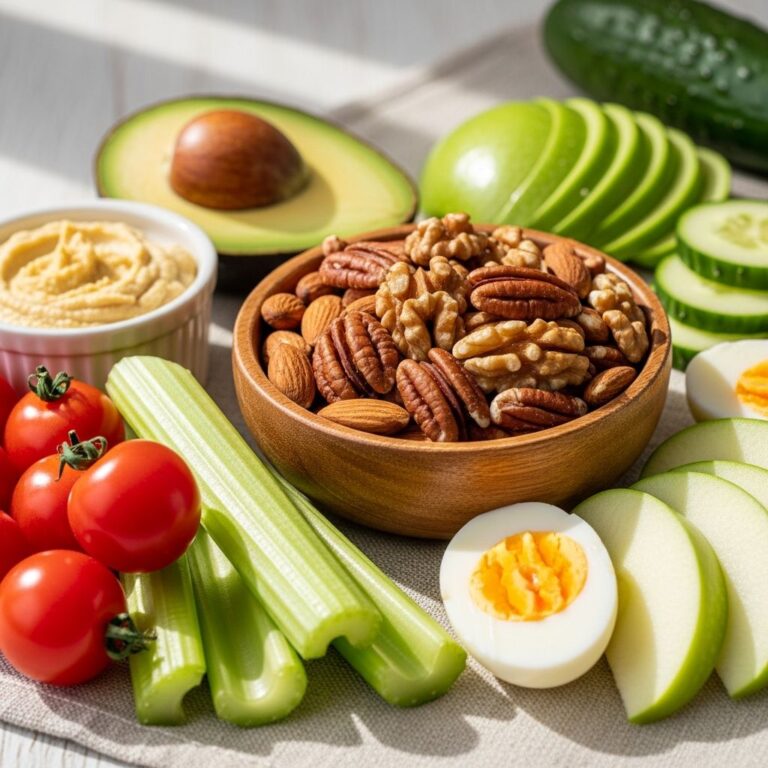
Always eat a proper meal before you begin drinking. Consuming alcohol on an empty stomach means it’s absorbed into your system through the small intestine more quickly. This leads to faster intoxication and more noticeable effects on your body and judgment. Eating before drinking slows down the rate that alcohol is absorbed into your system, giving your body more time to process it. Additionally, snack during the night as you drink if possible, as this further slows alcohol absorption and helps maintain your energy levels.
Avoid Starting Drinking Too Early
Avoid starting to drink too early, before or at the start of a festive event. If you’re attending an event that starts in the afternoon, try sticking to soft drinks for the first couple of hours before transitioning to alcoholic beverages. This helps you maintain control and reduces the total amount you drink throughout the event.
Be Selective About Your Drinks
Think carefully about which drinks you genuinely enjoy and which ones you consume out of habit or social obligation. Cut out the drinks you don’t particularly want, as this can make a significant difference in your total consumption. You might also consider choosing lower-strength drinks, such as wines with lower alcohol content or light beers, which naturally contain fewer units per serving.
Alternate Alcoholic Drinks with Soft Drinks
One of the most effective pacing strategies is to alternate each alcoholic drink with a soft drink or water. This approach helps you drink less alcohol over the course of the night while keeping you hydrated, which is important because dehydration can intensify hangover symptoms and impair judgment. After every alcoholic drink, have a glass of water, soft drink, or mocktail before ordering another alcoholic beverage.
Avoid Buying Rounds of Drinks
While buying rounds of drinks with colleagues or friends may seem sociable, you typically end up drinking at the fastest drinker’s pace. This means you consume more than you would if you were buying your own drinks, and you also spend more money. Instead, buy your own drinks and control your consumption pace independently.
Use Tracking Tools
The Alcohol Change Try Dry app is an excellent tool for keeping track of your consumption throughout the festive season. It allows you to monitor how much you’re drinking, how many units you’ve had, and how much you’ve spent. If you’re planning to do Dry January after the New Year, you can also use it to track your dry days and the money you’re saving by not drinking.
Managing Work Christmas Parties
Work Christmas parties present unique challenges because they combine social obligation, peer pressure, and professional expectations. Here are specific strategies for maintaining control at these events:
Know Your Limits Before You Arrive
Set a drinking limit before you go to the party and keep a mental note of what you’ve consumed as the night progresses. This mental commitment helps you maintain focus on your goal.
Go Completely Alcohol-Free if You Prefer
You don’t have to drink alcohol at your work Christmas party. If you have no desire to drink or are concerned about the effects on your health, you shouldn’t feel pressured to consume alcohol. Replace it with soft drinks or festive mocktails, and if colleagues pressure you to drink, Alcohol Change UK offers guidance on ways to politely refuse.
Eat Properly During the Event
Make sure to eat a substantial meal before attending your work party, and continue snacking throughout the evening if food is available. This significantly affects how quickly alcohol is absorbed and how intoxicated you become.
Building Long-Term Healthy Drinking Habits
Beyond the immediate festive period, consider using this time as an opportunity to develop healthier drinking habits that last throughout the year. Many people find that participating in initiatives like Dry January after the festive season helps reset their relationship with alcohol. Research suggests that temporary abstinence from alcohol comes with significant health benefits, including improved insulin resistance and lower blood pressure.
According to Alcohol Change UK, those who gave up alcohol for January reported numerous benefits: 70% experienced better sleep, 86% saved money, 65% had more energy, and 65% noticed generally improved health. After completing a period of reduced or no drinking, you can implement sustainable strategies for maintaining healthier consumption patterns year-round.
Creating a Sustainable Drinking Plan
If you want to continue reducing your drinking after the festive season, work out how many units you were consuming before Christmas and how many you’d like to be drinking going forward. Alcohol Change UK’s drinking quiz and unit calculator tools can help with this process. Create a drinks diary and write down how much you drink each week to maintain awareness and accountability.
Consider also tracking how you feel after drinking. Many people experience anxiety and low mood after consuming too much alcohol. Writing down these feelings gives you something to reflect on when you’re tempted to drink more, serving as a powerful motivator to stick to healthier patterns.
Frequently Asked Questions
What is the recommended weekly alcohol limit?
The UK Chief Medical Officers’ guidelines recommend no more than 14 units of alcohol per week for both men and women, spread over several days with at least two alcohol-free days per week.
How can I track my alcohol consumption during festive events?
You can use the Alcohol Change Try Dry app to monitor your units, spending, and progress toward your goals. You can also keep a manual drinks diary to write down what you consume each day.
What should I do if colleagues pressure me to drink at work parties?
You have the right to decline alcohol. Alcohol Change UK provides strategies for politely refusing drinks. Remember that you don’t need to explain your decision in detail—a simple “No, I’m fine, thanks” is sufficient.
How much food should I eat before drinking?
Eat a proper, substantial meal before drinking alcohol. This significantly slows alcohol absorption and helps you maintain better control of your consumption and behavior.
Are alcohol-free alternatives as enjoyable as regular alcoholic drinks?
Modern alcohol-free alternatives have improved dramatically and now include premium options like sophisticated mocktails, craft sodas, and non-alcoholic beers and wines that can be just as enjoyable as traditional alcoholic beverages.
What should I do if I slip and drink more than planned?
Don’t be discouraged if you occasionally exceed your planned amount. Use it as a learning opportunity, identify what triggered the excess, and refocus on your goals for the next event. Having strategies in place, such as practicing saying no, can help you stick to your plan going forward.
Conclusion
The festive season doesn’t have to mean sacrificing your health and wellbeing. By planning in advance, setting clear limits, using practical strategies like alternating drinks and scheduling alcohol-free days, and leveraging tools like the Alcohol Change Try Dry app, you can enjoy Christmas and New Year celebrations responsibly. Remember that the goal is to feel festive rather than frazzled, and that starts with taking control of your alcohol consumption before the season begins.
References
- How to Drink Safely Over Christmas and New Year — Patient.info. December 16, 2022. https://patient.info/features/healthy-living/how-to-drink-safely-over-christmas-and-new-year
- How to Control Your Drinking on a Christmas Work Night Out — Patient.info. https://patient.info/features/general-health/how-to-control-your-drinking-on-a-christmas-work-night-out
- How to Create Healthy Drinking Habits That Last Beyond Dry January — Patient.info. https://patient.info/features/healthy-living/how-to-create-healthy-drinking-habits-that-last-beyond-dry-january
Similar Articles








Read full bio of medha deb