How to Drink Safely Over Christmas and New Year
Enjoy festive celebrations without the health risks: practical tips to drink responsibly during Christmas and New Year.
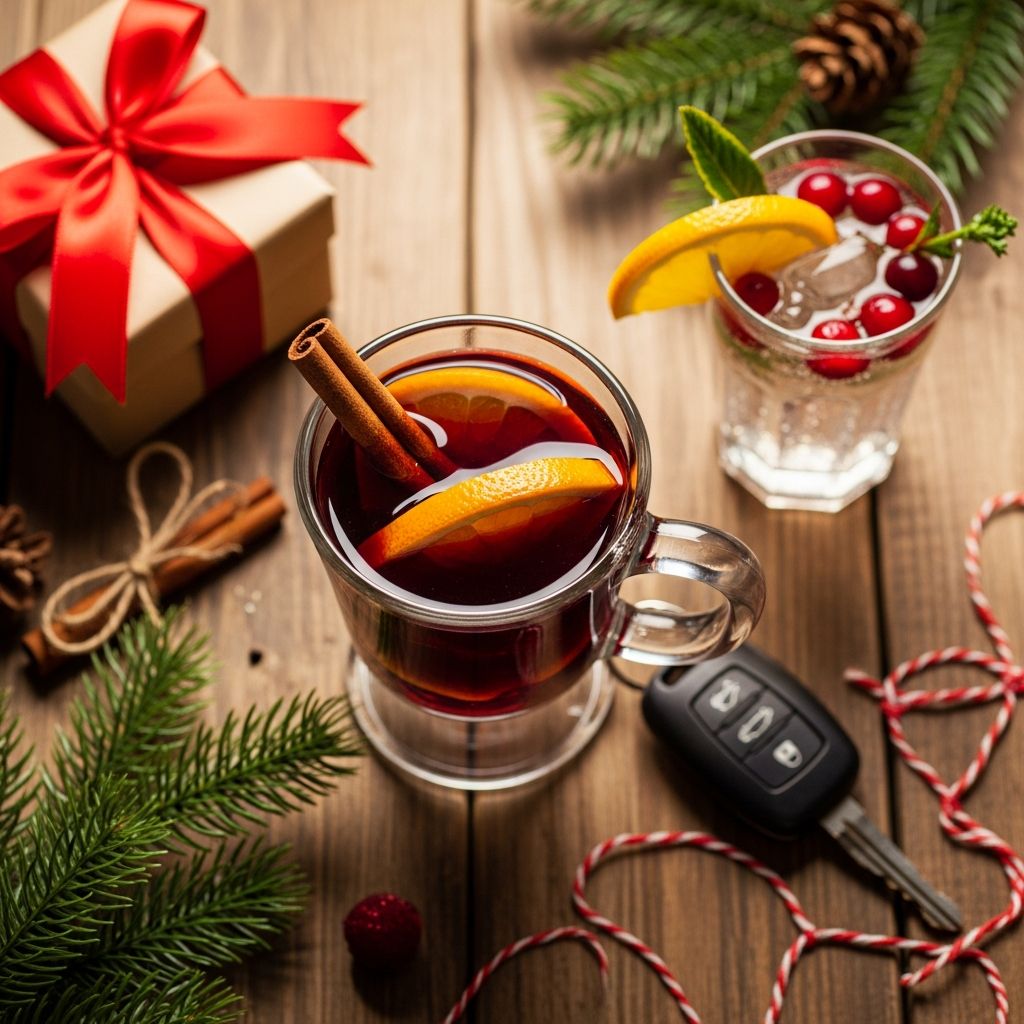
As the festive season approaches, Christmas and New Year bring joy, gatherings with loved ones, and often an abundance of alcohol. However, this time of year also sees a spike in binge drinking, which can lead to health issues, poor decisions, and a rough start to January. Enjoying the holidays responsibly is key to maintaining your wellbeing. This guide covers the realities of festive drinking, its risks, and proven strategies to drink safely, drawing from expert advice by organizations like Alcohol Change UK and Drinkaware.
Peer-reviewed insights emphasize planning ahead to balance merriment with moderation. By sticking to low-risk guidelines—not exceeding 14 units of alcohol per week, spread over at least three days—you can partake in celebrations without compromising your health.
Binge Drinking at Christmas and New Year
Christmas and New Year are synonymous with social gatherings, parties, and indulgence. Friends and family come together, often leading to more alcohol consumption than usual. Andrew Misell, director for Wales at Alcohol Change UK, notes: “Christmas and the New Year are a time when friends and family get together. It’s also a time for over-indulgence, which can mean we end up drinking more than we would like”.
December diaries fill with work dos, family dinners, and pub meetups, making it easy for drinking to spiral. What starts as a cheerful toast can escalate into binge sessions—defined as consuming large amounts in a short time, such as eight units or more for men (about four pints of beer) or six units for women (three large glasses of wine) in one evening.
This pattern isn’t harmless fun. Binge drinking impairs judgment, increasing risks of accidents, unsafe situations, and regretted actions. Over the two-week period, repeated binges compound effects, leaving many feeling exhausted by New Year’s Day. Statistics from health bodies show alcohol-related hospital admissions rise sharply during holidays, underscoring the need for awareness.
The Effects and Risks of Heavy Drinking
Heavy drinking over the festive period brings immediate and long-term consequences. Understanding these motivates safer choices.
Festive Fatigue
Hangovers are the most familiar short-term effect: dehydration headaches, nausea, hot flushes, and fatigue as blood alcohol levels normalize. Alcohol disrupts sleep by reducing rapid eye movement (REM) sleep, crucial for restoration. Multiple nights of poor sleep lead to ‘festive fatigue’—constant low energy, irritability, and weakened immunity, making you more susceptible to winter bugs.
Beyond the morning after, regular heavy sessions dehydrate the body, strain the liver, and spike blood pressure, amplifying holiday stress.
Long-term Health Implications
Drinkaware warns that regularly exceeding 14 units weekly heightens risks of serious conditions. Key dangers include:
- Alcohol dependence and addiction: Festive habits can foster reliance, hard to shake post-holidays.
- Cancers: Increased risk for breast, liver, mouth, and others—alcohol is the second biggest cancer risk after smoking.
- Stomach disorders and pancreatitis: Inflammation and digestive issues from overload.
- Mental health problems: Depression, anxiety, panic attacks; alcohol worsens mood disorders.
- Brain disorders: Dementia, Wernicke’s encephalopathy, Korsakoff syndrome from chronic damage.
- Heart and muscle disease: Cardiomyopathy and weakness.
- Nervous tissue damage: Neuropathy and coordination loss.
- Obesity: Empty calories contribute to weight gain and related risks.
Related Stories



Jennifer Walters from the National Institute for Health and Care Research adds: “In the short term, alcohol can affect your sleep and your weight, and impair your judgement.” Long-term, it raises blood pressure, causes liver disease, brain damage, and mental health issues. Stephen Buckley from Mind highlights dependency’s toll on clarity and anxiety.
Drinking Safely Over Christmas and New Year
To enjoy festivities without regret, plan ahead. Misell advises: “If you want to feel festive rather than frazzled, it’s a good idea to make a plan in advance, of how much you want to drink, and try to stick to it”. Apps like Alcohol Change UK’s Try Dry or Drinkaware’s monitor units, spending, and dry days—ideal for Dry January prep.
Follow UK Chief Medical Officers’ guidelines: no more than 14 units weekly (six pints beer or six medium wine glasses), spread over three+ days. Have at least three alcohol-free days weekly.
Festive Safe Drinking Tips
- Plan drink-free days: Schedule three per week with alternatives like post-lunch walks, online quizzes, or board games.
- Choose low/no alcohol: Festive alcohol-free cocktails, beers, wines abound—experiment!
- Eat first: Food slows alcohol absorption, reducing impact.
- Delay starting: Avoid pre-event drinking; sip slowly.
- Select wisely: Pick enjoyable drinks, skip disliked ones to avoid peer pressure.
- Hydrate: Alternate with water; drink plenty before/after.
- Track units: Use measures for spirits; apps for accuracy.
How to Drink Less Over Christmas and New Year
Parties tempt overindulgence, but strategies help. Avoid ‘all or nothing’ thinking—if you slip, resume moderation. Walters says: “Reducing your drinking is a marathon, not a sprint”.
Preparation tips:
- Stock alcohol-free options for home gatherings.
- Plan non-drinking activities: games nights, walks.
- Use apps for tracking.
- Seek support: Drinkaware, AA, doctor if needed.
For hosts, offer varied drinks; guests, bring non-alcoholic contributions. Measure pours to avoid underestimating spirits.
Frequently Asked Questions (FAQs)
What are the UK low-risk drinking guidelines?
Both sexes: ≤14 units/week, spread over 3+ days, with alcohol-free days. One unit ≈ half pint beer, small wine glass, single spirit.
How does alcohol affect sleep during holidays?
It suppresses REM sleep, causing fatigue despite hours slept. Prioritize early bedtimes and hydration.
What if I exceed limits occasionally?
One-off binges are risky but less harmful than regular excess. Cut back immediately; monitor with apps.
Are alcohol-free drinks truly safe?
Most have <0.5% ABV, negligible effects. Great for habit-breaking and savings.
When to seek professional help?
If drinking affects health, relationships, or control, consult GP or helplines like Alcohol Change UK.
Creating Lasting Healthy Habits
Beyond holidays, build sustainable patterns. Dry January resets, but continue with regular breaks, unit tracking, and mindful choices. NIHR stresses moderation prevents cancer, liver issues. Pair with exercise, balanced diet for full benefits.
In summary, festive drinking can enhance joy if managed. Plan, track, hydrate, and prioritize health for merry, not weary, holidays.
References
- How to drink safely over Christmas and New Year — Patient.info. 2022-12-16. https://patient.info/features/healthy-living/how-to-drink-safely-over-christmas-and-new-year
- UK Chief Medical Officers’ Low Risk Drinking Guidelines — UK Government (via Drinkaware/NHS references). 2016 (authoritative, reaffirmed 2023+). https://www.gov.uk/government/publications/low-risk-drinking-guidelines
- How to drink less over Christmas and the New Year — Patient.info. 2025-12-17. https://patient.info/features/healthy-living/how-to-drink-less-over-christmas-and-the-new-year
- Alcohol and Cancer Risks — National Institute for Health and Care Research (NIHR). 2023. https://www.nihr.ac.uk/
- Alcohol Facts — NHS UK. 2024-08-15. https://www.nhs.uk/live-well/alcohol-advice/
Similar Articles








Read full bio of medha deb