How to Drink Sensibly Over the Festive Season
Practical tips to enjoy festive celebrations responsibly, avoid overindulgence, and protect your health during the holiday period.
Across the UK, the festive season brings a flurry of Christmas parties, pub gatherings, and social events where alcohol flows freely. While celebrations are enjoyable, overindulging can lead to health risks, hangovers, and regrets. This guide provides practical strategies to drink responsibly, aligning with UK Chief Medical Officer guidelines of no more than 14 units per week for both men and women, incorporating alcohol-free days.
Reducing alcohol intake benefits your liver, sleep, and overall wellbeing. According to Drinkaware research, 61% of UK drinkers overindulge during festivities, with 18% experiencing more hangovers. By planning ahead, you can savour the season without the downsides.
Think about the season as a whole
View the holiday period holistically rather than event-by-event. Binge drinking—consuming large amounts at once—increases risks of injury, alcohol poisoning, and poor decisions. UK guidelines recommend spreading 14 units (e.g., six 175ml glasses of wine or six pints of 4% beer) over the week, with several alcohol-free days.
Drinkaware notes social pressures amplify intake, but consistent moderation prevents cumulative harm like disrupted REM sleep, fatigue, and elevated blood pressure. Plan three or more alcohol-free days weekly—schedule walks, quizzes, or games instead.
- Track weekly units using apps or a diary.
- Alternate social plans with non-drinking activities.
- Aim for balance: if one event involves drinks, follow with sober days.
Drink mindfully
Mindful drinking involves awareness of your choices, feelings, and triggers. At work parties, 33% feel pressured to drink. Pause before accepting a refill: do you truly want it?
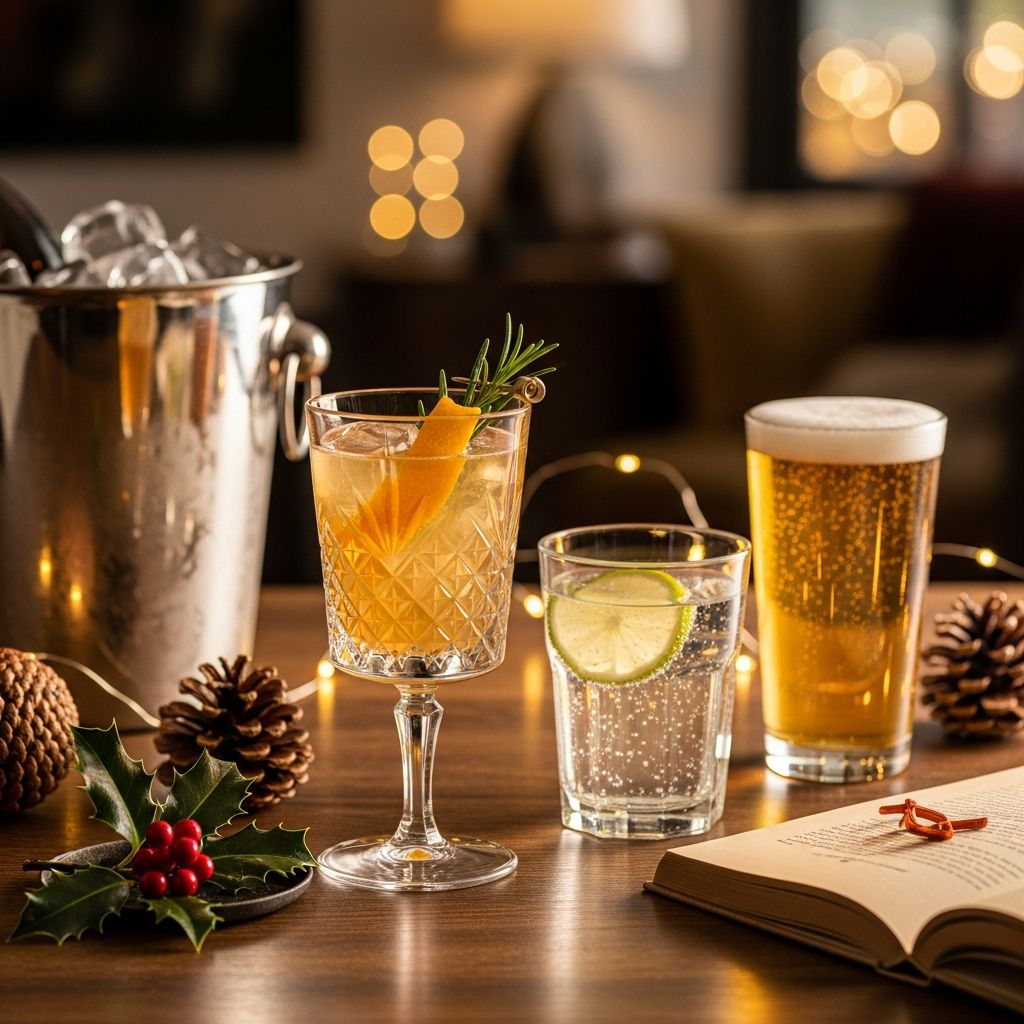
Start late, skip the first round, or opt for smaller measures. The alcohol-free market has exploded with creative options like mocktails—venues increasingly stock them. Avoid swapping every drink for sugary sodas, which offer no nutrition and harm health.
| Strategy | Benefit |
|---|---|
| Delay first drink | Easier to assess desire later |
| Choose low/no-alcohol options | Maintains social vibe without units |
| Sip slowly | Reduces overall intake |
Family and friends
Involve loved ones in your sensible drinking plan. Communicate openly: ‘I’ll join celebrations but alternate with soft drinks.’ This sets expectations and garners support.
If facing peer pressure, have responses ready: ‘I’m pacing myself tonight’ or ‘Driving later, so soft drink for me.’ Recruit an ally for mutual accountability. For those finding holidays tough, acknowledge triggers like family stress—seek alternatives like non-alcoholic gatherings.
- Share goals: ‘Supporting each other to avoid hangovers.’
- Host with options: Provide alcohol-free beers, wines, and mixers.
- Plan transport: Designate drivers or use rideshares.
What about food?
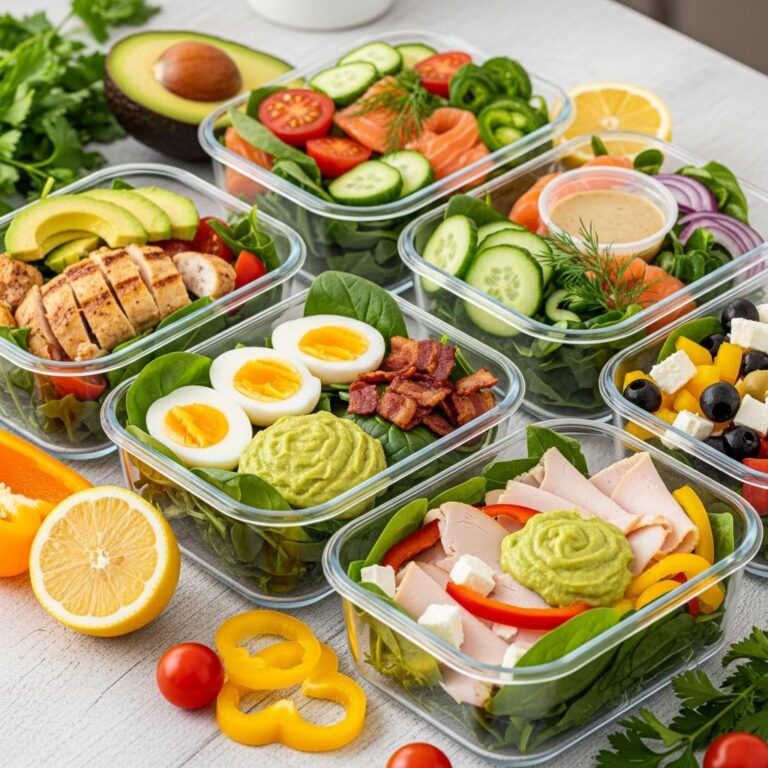
Food timing and type matter beyond calories. Eat a balanced meal—carbs, proteins, fats—before drinking to slow alcohol absorption. Alcohol dehydrates, so skip salty snacks that worsen it.
Hydrate proactively: Water before outings, alternate drinks with water. This curbs thirst-driven overdrinking and mitigates hangovers.
Pre-drinking meal ideas:
- Pasta with lean protein and veggies.
- Wholegrain toast with avocado and eggs.
- Oatmeal or smoothie with nuts.
Snack while drinking: Nuts, cheese, or fruit stabilise blood sugar.
Related Stories



Staying safe on the roads
Never drink and drive. UK limits are 80mg alcohol per 100ml blood, but impairment starts lower—reaction times slow even at small amounts. Plan transport: taxis, public options, or sober drivers.
Alternate drinks with water to stay under limits. Apps track units and BAC estimates. Prioritise safety over convenience.
Health risks of overindulgence
Beyond hangovers (dehydration, nausea), heavy festive drinking risks ‘holiday heart syndrome’—atrial fibrillation from bingeing, causing rapid heartbeat. Cumulative effects include poor sleep, mood dips, and blood sugar issues.
Women face higher risks at same units due to physiology. Long-term: liver strain, hypertension.
Frequently Asked Questions (FAQs)
Q: What counts as one UK alcohol unit?
A: 8g pure alcohol, e.g., 25ml spirits (40%), 125ml wine (12%), pint 4% beer.
Q: How many alcohol-free days should I have?
A: At least 3 per week to allow body recovery.
Q: Are low-alcohol drinks safe unlimited?
A: No—track units; they add up.
Q: Can I drink every day if under 14 units?
A: Guidelines advise against daily drinking; spread intake.
Q: What if I feel pressured at parties?
A: Hold a non-alcoholic drink, set personal limits, leave early if needed.
Additional tips for Christmas and New Year
Build on basics: Prioritise sleep—alcohol reduces REM. Manage stress with walks. If history of AFib, even small amounts trigger issues—know limits. Experiment with festive mocktails: gin-free tonics with herbs, cranberry spritzers.
Post-event: Rehydrate, eat nutritious food, rest. Track progress for motivation.
Ultimately, sensible drinking enhances enjoyment—no Boxing Day regrets or foggy New Year’s. Small changes yield big health gains.
References
- How to drink sensibly over the festive season — Patient.info. 2019-12-12. https://patient.info/features/healthy-living/how-to-drink-sensibly-over-the-festive-season
- How to drink safely over Christmas and New Year — Patient.info. 2022-12-16. https://patient.info/features/healthy-living/how-to-drink-safely-over-christmas-and-new-year
- What is holiday heart syndrome? — Patient.info. Last updated 2023. https://patient.info/features/heart-health/what-is-holiday-heart-syndrome-and-how-could-it-affect-your-christmas
- UK Chief Medical Officers’ Low Risk Drinking Guidelines — UK Government (gov.uk). 2016-01-08. https://assets.publishing.service.gov.uk/government/uploads/system/uploads/attachment_data/file/545937/UK_CMOs_report.pdf
- Curbing drinking during the holiday season — UCLA Health. 2023. https://www.uclahealth.org/news/article/curbing-drinking-during-holiday-season
Similar Articles








Read full bio of medha deb