Low-Fiber Diet: Complete Guide For Crohn’s Symptom Relief
Learn how to follow a low-fiber diet for Crohn's disease flare-ups with practical tips, food lists, and expert guidance.
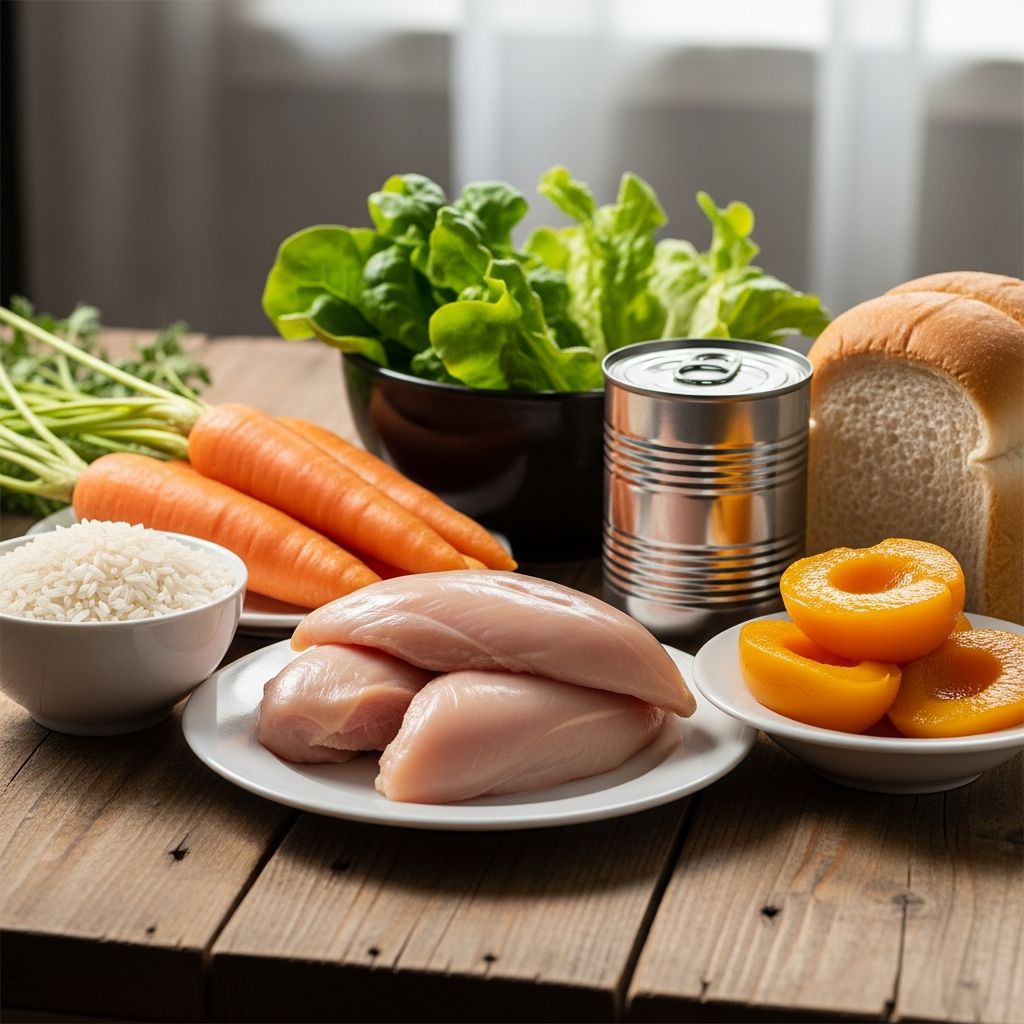
A low-fiber diet, also known as a low-residue diet, limits foods high in dietary fiber to reduce stool bulk and ease digestion, particularly beneficial during active flare-ups of Crohn’s disease or other inflammatory bowel diseases (IBD).
This approach helps minimize irritation in the inflamed intestines by decreasing the amount of undigested material passing through the gut. While not a long-term solution, it can provide symptom relief when properly managed under medical supervision.
What Is a Low-Fiber Diet?
A low-fiber diet restricts intake to typically 10-15 grams of fiber per day, focusing on easily digestible foods that leave minimal residue in the colon. It emphasizes refined grains, tender proteins, and low-fiber fruits and vegetables while avoiding high-fiber items like whole grains, nuts, seeds, and raw produce.
Unlike a general healthy diet rich in fiber—which supports gut health and reduces flare risk in remission—a low-fiber diet is temporary for acute symptoms. Research shows that avoiding fiber entirely may increase flare risks in Crohn’s patients, so gradual reintroduction is key.
Why Follow a Low-Fiber Diet for Crohn’s Disease?
During Crohn’s flares, high-fiber foods can exacerbate diarrhea, cramping, and bloating by speeding gut transit or causing blockages, especially with strictures. A low-fiber diet slows digestion, absorbs excess water, and reduces bowel movements, offering relief.
- Symptom management: Lessens abdominal pain and frequent stools.
- Prevents complications: Reduces risk of obstructions in narrowed intestines.
- Nutritional support: Allows healing while maintaining calorie intake through refined foods.
Studies indicate fiber restriction is most helpful short-term; long-term low-fiber intake correlates with higher flare odds in Crohn’s (adjusted OR 0.59 for non-avoiders).
Foods to Eat on a Low-Fiber Diet
Choose well-cooked, peeled, and refined options. Focus on soluble fibers in moderation, which gel and soothe the gut, over insoluble types that add bulk.
Grains
- White bread, bagels, or rolls without seeds
- White rice (instant or polished)
- Refined pasta (no whole wheat)
- Cream of wheat or rice cereals
- Cornflakes or Rice Krispies (low-fiber varieties)
Proteins
- Tender, skinless poultry or fish (baked, broiled)
- Ground or well-cooked lean meats
- Eggs (boiled, poached, scrambled)
- Smooth peanut butter (limit to 1-2 tbsp)
- Tofu or soft cheeses
Dairy
- Milk (lactose-free if intolerant)
- Yogurt (plain, low-fat, no fruit chunks)
- Cottage cheese or soft cheeses
- Ice cream (without nuts or fruit)
Fruits
- Canned or cooked fruits without skins/seeds (applesauce, peaches)
- Ripe bananas (mashed)
- Juices (strained, pulp-free)
- Avoid: Raw fruits, berries, dried fruits
Vegetables
- Well-cooked, peeled potatoes (no skin)
- Canned carrots or green beans (strained)
- Juices (vegetable, no pulp)
- Zucchini or squash (cooked soft)
- Avoid: Raw, broccoli, cabbage
Fats and Sweets
- Butter, margarine, oils
- Jelly (no seeds), honey
- Plain cookies, cakes (no nuts/frosting with fiber)
Related Stories



Foods to Avoid on a Low-Fiber Diet
Steer clear of anything that adds bulk or is hard to digest. Insoluble fibers like those in bran worsen symptoms during flares.
| Category | Foods to Avoid |
|---|---|
| Grains | Whole wheat bread/pasta, brown rice, oatmeal, bran cereals, popcorn |
| Fruits | Raw apples/pears (with skin), berries, oranges, prunes, dried fruits |
| Vegetables | Raw salads, broccoli, cauliflower, corn, peas, leafy greens, beans |
| Proteins | Chunky nut butters, nuts/seeds, tough meats, fried foods |
| Other | Coconut, granola, trail mix, high-fiber bars |
Sample Meal Plan for a Low-Fiber Diet
This 1-day plan keeps fiber under 10g, providing ~1,800 calories. Adjust portions as needed.
Breakfast
- Cream of rice with milk and sugar
- Ripe banana (mashed)
- Scrambled eggs
Morning Snack
- Applesauce (unsweetened)
- Plain yogurt
Lunch
- White bread turkey sandwich (no skin, mayo)
- Canned peaches
- Juice (pulp-free)
Afternoon Snack
- Saltine crackers with cottage cheese
- Gelatin
Dinner
- Baked chicken breast (skinless)
- Mashed potatoes (peeled, no skin)
- Well-cooked carrots
- White roll
Evening Snack
- Ice cream (vanilla)
- Pudding
Track intake with a food diary to monitor tolerance.
Low-Fiber Diet Tips and Recipes
Preparation Tips:
- Cook vegetables until very soft; strain sauces.
- Peel all fruits/veggies.
- Choose tender-cooked proteins.
- Stay hydrated (6-8 cups water/day).
- Eat small, frequent meals.
Simple Recipes:
Smooth Banana Rice Pudding
Ingredients: 1 cup cooked white rice, 1 mashed banana, 1 cup milk, 2 tbsp sugar. Cook together until creamy. Serves 2.
Baked Fish with Mashed Potatoes
Bake white fish with butter; serve with peeled mashed potatoes. Add salt to taste.
Risks and When to Stop a Low-Fiber Diet
Long-term use risks nutrient deficiencies, constipation, and higher flare risk—fiber supports remission (40% lower flares with adequate intake). Transition back to normal fiber gradually when symptoms subside, starting with soluble sources like oats.
Consult a doctor/dietitian; not suitable for all (e.g., no strictures). Monitor for weight loss or fatigue.
Frequently Asked Questions (FAQs)
What is the difference between soluble and insoluble fiber?
Soluble fiber dissolves in water, forming a gel that slows digestion (e.g., oats, applesauce). Insoluble adds bulk (e.g., bran, celery)—limit latter during flares.
How long should I follow a low-fiber diet?
Only during active flares, typically 2-6 weeks or until symptoms improve. Reintroduce fiber slowly.
Can a low-fiber diet cure Crohn’s?
No, it manages symptoms. Fiber aids long-term remission.
Is lactose-free dairy okay?
Yes, if lactose intolerant; choose low-fiber options.
What if I have strictures?
Strict low-fiber is crucial to avoid blockages—seek medical advice.
References
- Crohn’s disease and dietary fiber: What is the link? — Medical News Today. 2024. https://www.medicalnewstoday.com/articles/crohns-disease-dietary-fiber
- Avoidance of Fiber is Associated with Greater Risk of Crohn’s Disease Flares. — NIH/PMC. 2016-06-01. https://pmc.ncbi.nlm.nih.gov/articles/PMC4930425/
- Low Residue Diet for IBD. — Crohn’s & Colitis Dietitians. Recent (post-2023). https://crohnsandcolitisdietitians.com/low-residue-diet-for-ibd/
- Dietary fiber: Essential for a healthy diet. — Mayo Clinic. Recent update. https://www.mayoclinic.org/healthy-lifestyle/nutrition-and-healthy-eating/in-depth/fiber/art-20043983
Similar Articles








Read full bio of medha deb