How To Eat More Fiber: 12 Simple Tips For A Daily Boost
Boost your health with simple strategies to increase fiber intake for better digestion, heart health, and weight management.
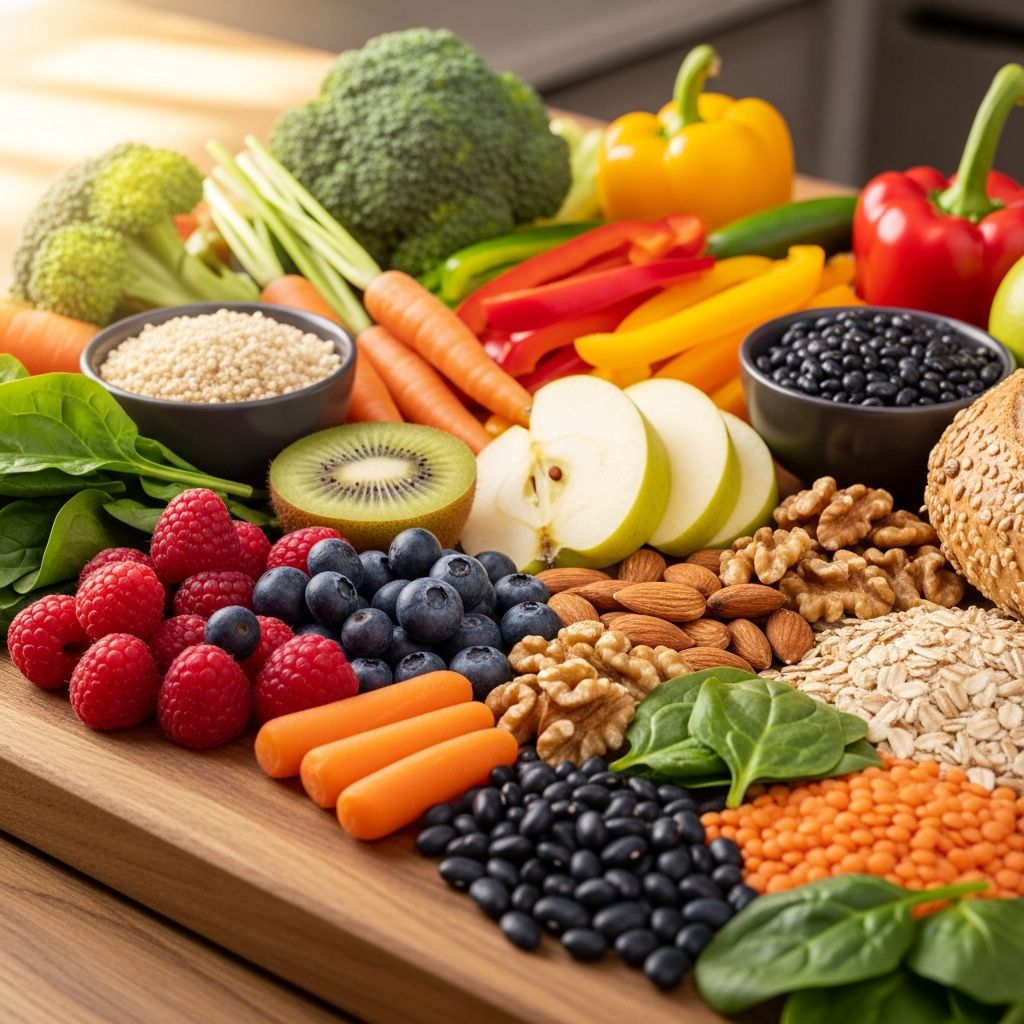
Most Americans fall short on dietary fiber, averaging just 15 grams per day despite recommendations of 25–38 grams. This shortfall contributes to digestive issues, higher cholesterol, and increased chronic disease risk. Fiber—the indigestible part of plant foods—promotes regularity, stabilizes blood sugar, and supports heart health. Fortunately, simple swaps and additions can help you hit your goals without major overhauls.
What Is Fiber?
Dietary fiber consists of non-digestible carbohydrates and lignin found in plants. It passes through the digestive tract largely intact, feeding beneficial gut bacteria and adding bulk to stool. There are two main types:
- Soluble fiber: Dissolves in water to form a gel-like substance. Found in oats, beans, apples, and citrus. Lowers cholesterol and blood sugar.
- Insoluble fiber: Adds bulk and speeds digestion. Found in wheat bran, vegetables, and whole grains. Prevents constipation.
Both types are essential, so aim for variety. According to the USDA Dietary Guidelines, adults should target 14 grams of fiber per 1,000 calories consumed—or about 28 grams for women and 34 for men on a 2,000-calorie diet.
Health Benefits of Eating More Fiber
Increasing fiber intake yields multiple benefits, supported by extensive research:
- Digestive health: Fiber bulks stool and promotes regular bowel movements, reducing constipation risk by up to 30%, per a 2023 meta-analysis in Alimentary Pharmacology & Therapeutics.
- Heart health: Soluble fiber binds cholesterol in the gut, lowering LDL by 5–10%. A 2022 American Heart Association review links high-fiber diets to 15–30% reduced cardiovascular risk.
- Blood sugar control: Slows carbohydrate absorption, aiding diabetes management. The ADA recommends 20–35 grams daily for glycemic control.
- Weight management: Promotes satiety; studies show high-fiber eaters consume 10% fewer calories.
- Gut microbiome: Fermentable fibers produce short-chain fatty acids that reduce inflammation and support immunity.
How Much Fiber Do You Need?
| Group | Recommended Daily Intake |
|---|---|
| Women 19–30 | 28 grams |
| Women 31–50 | 25 grams |
| Men 19–30 | 34 grams |
| Men 31–50 | 31 grams |
| Women 51+ | 21 grams |
| Men 51+ | 28 grams |
| Pregnant women | 28–29 grams |
Source: Institute of Medicine. Increase gradually (5 grams/week) to minimize bloating.
12 Ways to Eat More Fiber Every Day
1. Start Your Day With High-Fiber Breakfast
Swap sugary cereals for oatmeal (4 grams per ½ cup dry) topped with berries (8 grams/cup raspberries) and chia seeds (10 grams/Tbsp). A smoothie with spinach, banana, and flaxseed delivers 12+ grams.
2. Eat Beans, Peas, and Lentils
These legumes pack 7–15 grams per ½ cup cooked. Add black beans to salads, lentils to soups, or chickpeas to stir-fries. Start with ¼ cup if new to avoid gas.
3. Snack on Fruits With Edible Skins
Apples (4.4 grams medium), pears (5.5 grams), and berries provide fiber plus antioxidants. Eat the skin for maximum benefit—it’s where most fiber resides.
4. Choose Whole Grains Over Refined
Opt for quinoa (5 grams/cup cooked), brown rice (3.5 grams), or whole-wheat bread (2 grams/slice) instead of white versions. Check labels: “100% whole grain” ensures fiber content.
5. Bulk Up With Veggies
Aim for half your plate vegetables. Broccoli (5 grams/cup), Brussels sprouts (4 grams), and carrots (3.6 grams) are stars. Roast or steam to enhance flavor and retain nutrients.
6. Add Nuts and Seeds
Almonds (3.5 grams/oz), chia (10 grams/Tbsp), and pumpkin seeds (5 grams/oz) make portable snacks. Sprinkle on yogurt or salads for an easy boost.
Related Stories



7. Don’t Peel Your Produce
Potato skins (2.5 grams/medium potato) and apple peels double fiber content. Scrub well and enjoy the extra nutrition and texture.
8. Swap Refined Pasta for Whole-Grain or Legume Varieties
Chickpea pasta offers 11 grams per 2 oz dry vs. 2 grams in white pasta. Pair with vegetable-heavy sauces for 10+ grams per serving.
9. Make Popcorn Your Movie-Night Snack
Air-popped popcorn provides 3.5 grams per 3 cups—low-calorie and satisfying. Skip butter; season with herbs or nutritional yeast.
10. Try Avocado in New Ways
One medium avocado delivers 10 grams. Mash on toast, add to smoothies, or slice into salads for creaminess and fiber.
11. Drink Your Fiber
Prune juice (3 grams/cup) or smoothies with kale and psyllium husk (5 grams/Tbsp) count. Whole fruits beat juice for fiber density.
12. Read Labels and Experiment
Seek products with 5+ grams fiber per serving. Combine sources—like oats with fruit—for synergistic benefits.
High-Fiber Foods List
| Food | Serving Size | Fiber (grams) |
|---|---|---|
| Split peas (cooked) | 1 cup | 16.3 |
| Lentils (cooked) | 1 cup | 15.6 |
| Black beans (cooked) | 1 cup | 15 |
| Raspberries | 1 cup | 8 |
| Pears (with skin) | 1 medium | 5.5 |
| Broccoli (cooked) | 1 cup | 5 |
| Oatmeal (cooked) | 1 cup | 4 |
| Almonds | 1 oz (24 nuts) | 3.5 |
| Popcorn (air-popped) | 3 cups | 3.5 |
Sample High-Fiber Daily Meal Plan (35 grams total)
- Breakfast: Oatmeal with berries and chia (12g)
- Snack: Apple with almond butter (7g)
- Lunch: Quinoa salad with chickpeas and veggies (11g)
- Snack: Carrot sticks and hummus (4g)
- Dinner: Lentil soup with whole-grain bread (10g)
Common Side Effects and How to Avoid Them
Sudden fiber increases can cause bloating, gas, or cramps. Mitigate by:
- Increasing gradually over 2–4 weeks.
- Drinking 8+ cups water daily—fiber absorbs liquid.
- Exercising to stimulate digestion.
- Choosing cooked over raw veggies initially.
If symptoms persist, consult a doctor to rule out IBS or other issues.
Frequently Asked Questions (FAQs)
Can too much fiber be harmful?
Excess (>70g/day) may cause nutrient malabsorption or block minerals. Balance with adequate fluids and calories.
Does fiber count toward carb totals for keto?
No—fiber is subtracted from total carbs for net carbs. High-fiber veggies fit well.
Are fiber supplements as good as food?
Supplements like psyllium help but lack food’s nutrients and variety. Prioritize whole foods.
Does cooking reduce fiber?
No—cooking softens fiber but doesn’t destroy it. Some veggies release more fiber when cooked.
Can kids eat high-fiber diets?
Yes, but scale to age: 19–25g for 9–13-year-olds. Introduce gradually with kid-friendly foods.
References
- Dietary Guidelines for Americans, 2020–2025 — U.S. Department of Agriculture and HHS. 2020-12-31. https://www.dietaryguidelines.gov/sites/default/files/2020-12/Dietary_Guidelines_for_Americans_2020-2025.pdf
- Dietary Reference Intakes for Energy, Carbohydrate, Fiber, Fat, Fatty Acids, Cholesterol, Protein, and Amino Acids — National Academies Press. 2005-01-01 (authoritative standard). https://nap.nationalacademies.org/catalog/10490/dietary-reference-intakes-for-energy-carbohydrate-fiber-fat-fatty-acids-cholesterol-protein-and-amino-acids
- Effects of dietary fiber and its components on metabolic health — Reynolds et al., Nutrients. 2020-06-01. https://www.ncbi.nlm.nih.gov/pmc/articles/PMC7589116/
- 2021 Dietary Guidance to Improve Cardiovascular Health — American Heart Association. 2021-11-01. https://www.ahajournals.org/doi/10.1161/CIR.0000000000001031
- Fiber Intake Predicts Weight Loss and Dietary Adherence in Adults Consuming Calorie-Restricted Diets — Howarth et al., Journal of Nutrition. 2008-10-01 (seminal study). https://doi.org/10.1093/jn/138.10.1955
Similar Articles








Read full bio of medha deb