How to Eat More Healthily During the Colder Months
Practical tips to maintain a balanced diet, boost immunity, and stay energized through winter's challenges with seasonal foods and smart habits.
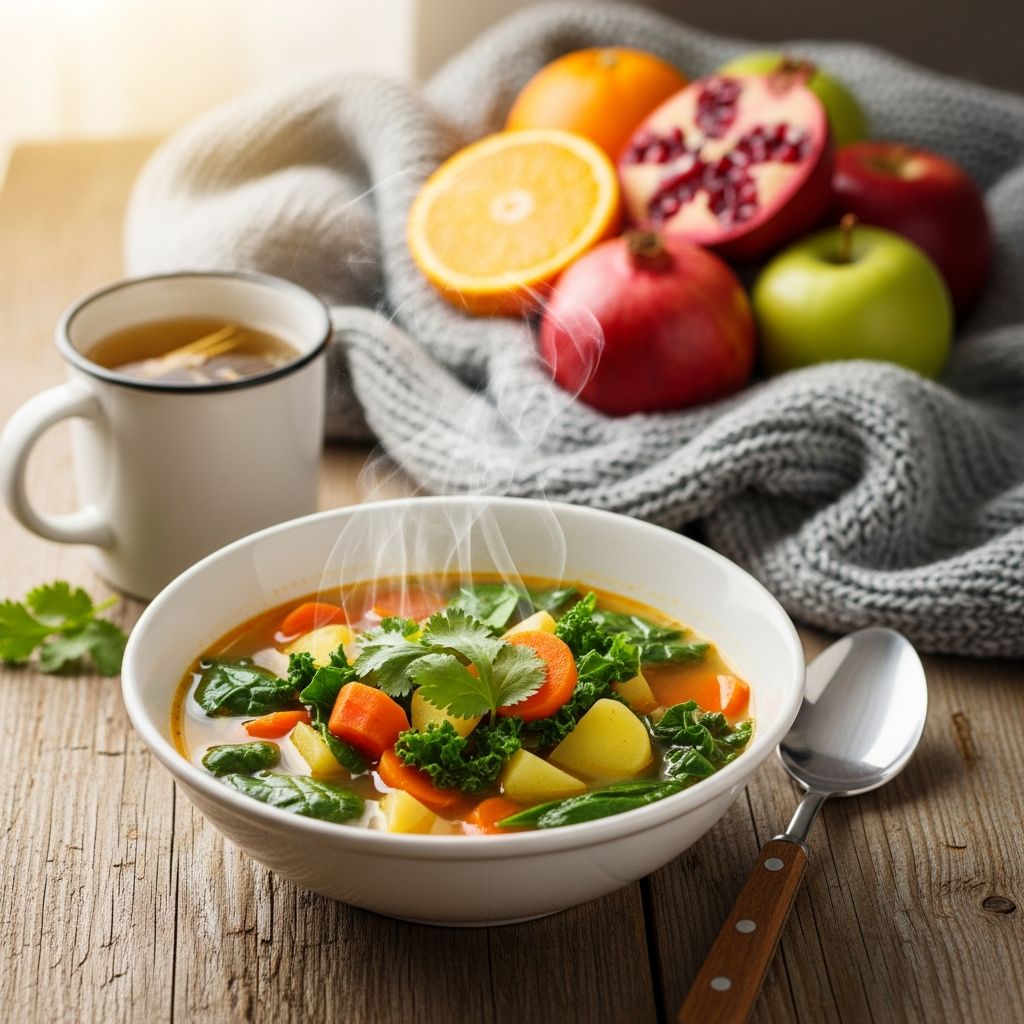
As temperatures drop and days shorten, maintaining a nutritious diet becomes challenging. Comfort foods tempt us, but focusing on
balanced meals
with seasonal produce, immune-supporting nutrients, and smart habits can keep you healthy and energized.Why It’s Harder to Eat Healthily in Winter
Winter brings obstacles like reduced sunlight, higher fresh produce costs, and cravings for warming, calorie-dense foods. People often turn to comforting dishes releasing serotonin and dopamine for mood boosts, leading to sluggishness and weight gain. Shorter days limit activity, while colds proliferate, stressing the immune system. Research shows very low- or high-calorie diets impair immunity, emphasizing balanced intake.
Despite this, winter offers nutrient-rich foods like root vegetables, citrus, and frozen options that are affordable and nutritious. Prioritizing these helps combat vitamin D deficiency from less sun exposure and supports overall vitality.
The Four Main Food Groups
A healthy winter diet revolves around four key groups:
fruit and vegetables
,starchy carbohydrates
,protein
, anddairy (or alternatives)
. Fruit and veg should dominate plates for vitamins and fiber.- Fruit and Vegetables: Aim for 5-a-day. Winter stars include citrus (oranges, kiwis for vitamin C), root veggies (carrots, sweet potatoes for beta-carotene), and brassicas (broccoli, cabbage for antioxidants).
- Starchy Carbohydrates: Choose wholegrains like brown rice, quinoa, wholemeal bread for steady energy, avoiding refined carbs that spike and crash blood sugar.
- Protein: Include lean sources like fish, poultry, eggs, beans, lentils for zinc and repair. Oysters and nuts add immune-boosting minerals.
- Dairy and Alternatives: Opt for yogurt, kefir for probiotics supporting gut health and immunity. Fortified options provide calcium and vitamin D.
Embrace Seasonal Winter Produce
Seasonal foods are fresher, cheaper, and more nutritious. Stock up on:
- Citrus fruits: Packed with vitamin C to shorten colds.
- Berries (frozen): Antioxidants protect cells.
- Root vegetables: Pumpkins, parsnips offer beta-carotene.
- Leafy greens: Spinach, kale for vitamins A and C.
- Pomegranates, cranberries: Add flavor and nutrients.
Frozen produce often retains more nutrients than canned, which can be high in salt. Use them in soups, stews, and smoothies.
Boost Your Immune System
A strong immune system fights winter bugs. Key strategies include:
- Vitamin C: 1,000mg daily may milden colds. Sources: citrus, peppers, broccoli.
- Zinc: In fish, eggs, grains to combat infections.
- Probiotics: Yogurt, kefir, sauerkraut for gut health.
- Antioxidants: Berries, garlic, ginger reduce inflammation.
- Vitamin D: Supplements if needed, as winter sun is scarce.
Combine with sleep, hydration, exercise, and handwashing.
Don’t Skip Vitamin D
Vitamin D levels plummet in winter due to limited sunlight, risking deficiency linked to infections and low mood. Foods like oily fish, eggs, fortified dairy help, but supplements (10mcg daily) are often recommended. Mushrooms exposed to light also provide some.
| Food Source | Vitamin D Content |
|---|---|
| Oily Fish (salmon, mackerel) | High |
| Eggs | Moderate |
| Fortified Milk/Yogurt | Moderate |
| Mushrooms (UV-exposed) | Low-Moderate |
Stay Energized with Balanced Meals
Combat winter fatigue with wholegrains, proteins, and veggies for stable blood sugar. Avoid added sugars and refined carbs causing crashes.
- Warm salads: Chickpeas, halloumi, veggies.
- Soups: Vegetable-based with lentils or brown pasta.
- Comfort meals: Chilli con carne with brown rice.
Related Stories



Eat regularly, start with soup to control portions, and savor treats mindfully.
Practical Tips for Winter Eating
- Plan meals around seasonal sales.
- Batch-cook stews and soups.
- Fill half your plate with veg.
- Choose frozen over out-of-season fresh.
- Hydrate with herbal teas, not sugary drinks.
- Moderate fats to 30% of calories, prioritize healthy ones.
Sample Winter Meal Plan
| Meal | Ideas |
|---|---|
| Breakfast | Yogurt with berries, nuts; porridge with cinnamon. |
| Lunch | Vegetable soup, wholegrain bread, cheese. |
| Dinner | Baked salmon, sweet potato, greens; lentil stew. |
| Snacks | Apple with nuts; carrot sticks with hummus. |
Frequently Asked Questions (FAQs)
Q: Can supplements replace winter foods?
A: No, they complement a varied diet. Prioritize food for synergies.
Q: How much vitamin C for immunity?
A: Aim for 1,000mg from food/supplements to potentially shorten colds.
Q: Are frozen veggies as good as fresh?
A: Often better nutritionally, especially in winter.
Q: What if I crave comfort foods?
A: Healthify them—add veg to stews, use wholegrains.
Q: How to get vitamin D without sun?
A: Eat fortified foods, oily fish; consider 10mcg supplement.
Incorporate these habits for a healthier winter. Small changes yield big benefits in energy, immunity, and weight management.
References
- Winter Nutrition — Healthy Eating Offers Good Protection During the Chilly Season — Today’s Dietitian. 2023. https://www.todaysdietitian.com/winter-nutrition-healthy-eating-offers-good-protection-during-the-chilly-season/
- How to boost your energy levels and feel less tired in winter — Patient.info. 2024-10-15. https://patient.info/features/diet-and-nutrition/how-to-boost-your-energy-levels-in-the-winter
- Foods to boost your immune system this winter — Patient.info. 2024-11-01. https://patient.info/features/diet-and-nutrition/foods-to-boost-your-immune-system-this-winter
- How to get vitamin-ready for autumn and winter — Patient.info. 2024-09-20. https://patient.info/features/diet-and-nutrition/how-to-get-vitamin-ready-for-winter
- How to eat more healthily during the colder months — Patient.info. 2024. https://patient.info/features/diet-and-nutrition/how-to-eat-more-healthily-during-the-colder-months
- How to boost your vitamin D levels this winter — Patient.info. 2024-10-10. https://patient.info/features/diet-and-nutrition/how-to-boost-your-vitamin-d-levels-this-winter
Similar Articles








Read full bio of Sneha Tete