Pomegranate Seeds: How To Eat Them, Benefits & Best Uses
Unlock the nutritional power of pomegranate seeds with easy ways to eat them safely and deliciously for maximum health benefits.
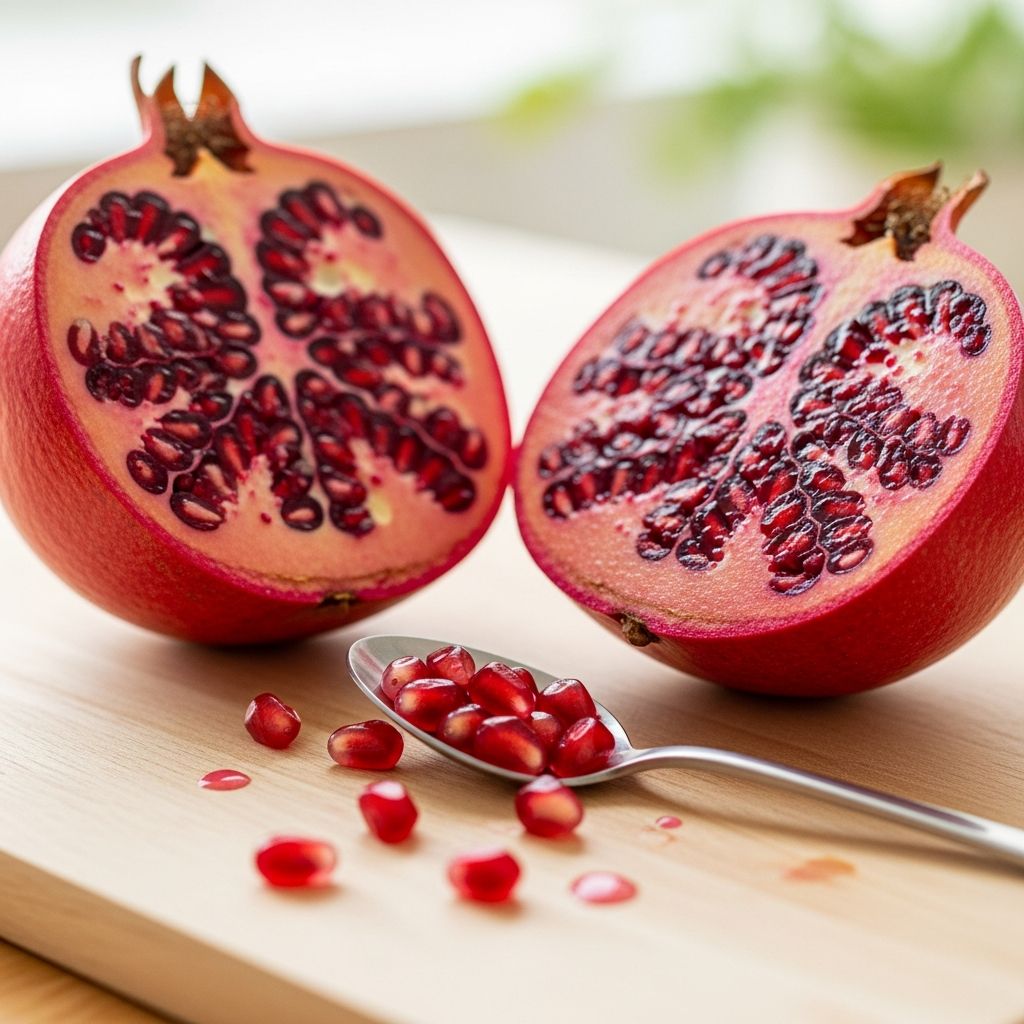
Pomegranate seeds, also known as arils, are the juicy, edible gems inside the fruit’s tough outer skin. These vibrant red kernels offer a sweet-tart flavor and are loaded with nutrients that support overall health. Eating them is simple once you know the techniques, and they can be enjoyed fresh, in recipes, or as a snack.
Are Pomegranate Seeds Edible?
Yes, pomegranate seeds are completely edible and safe for most people. The seeds consist of the juicy outer sac (aril) surrounding a small, crunchy white seed in the center. Both parts are consumable, providing fiber, antioxidants, and essential nutrients. Unlike some fruits where seeds are bitter or toxic, pomegranate seeds add texture and nutrition without any adverse effects.
The aril delivers most of the sweetness and juice, while the inner seed contributes fiber that aids digestion. Research confirms that consuming whole seeds maximizes benefits compared to juice alone, as juicing removes much of the fiber.
Are Pomegranate Seeds Good for You?
Pomegranate seeds are highly nutritious, offering a wealth of antioxidants, vitamins, minerals, and fiber in a low-calorie package. One cup (about 174 grams) of seeds provides approximately 234 calories, 4.7 grams of protein, 3.3 grams of fat, 52 grams of carbohydrates, and 11.3 grams of fiber. They also deliver 32% of the daily value (DV) for vitamin C, 27% DV for folate, and significant amounts of magnesium, phosphorus, and potassium.
Key nutrients include:
- Vitamin C: Supports immune function and skin health, with one cup providing 32% DV.
- Fiber: Promotes gut health, reduces heart disease risk, and aids weight management; 11.3 grams per cup.
- Folate: Essential for cell growth and DNA synthesis, at 27% DV.
- Potassium: Helps regulate blood pressure and heart function; 13% DV per cup.
According to USDA data, a half-cup serving contains 19 grams of carbohydrates, 4 grams of fiber, 14 grams of natural sugars, and 2 grams of protein, with minerals like 236 mg potassium and 10 mg calcium.
Health Benefits of Pomegranate Seeds
Pomegranate seeds boast powerful antioxidants like punicalagins, ellagitannins, anthocyanins, and flavonoids, which combat oxidative stress and inflammation. These compounds contribute to multiple health benefits supported by research.
Antioxidant Powerhouse
The seeds are rich in polyphenols and tannins that neutralize free radicals, protecting cells from damage. Studies show they reduce markers of oxidative stress, such as malondialdehyde (MDA), while boosting enzymes like SOD and GSH-Px. This antioxidant activity rivals many berries and supports anti-aging effects.
Heart Health
Pomegranate seeds may lower blood pressure, reduce LDL cholesterol, and prevent artery plaque buildup. Polyphenols like punicalagins promote healthy arteries by decreasing inflammation. Clinical trials indicate pomegranate extract reduces body weight, triglycerides, and inflammation markers in people with overweight. The American Heart Association notes their potential to lower inflammation for cardiovascular benefits.
Related Stories



Digestive Health
High fiber content (11.3 grams per cup) acts as a prebiotic, feeding beneficial gut bacteria and supporting microbiome health. This helps prevent chronic conditions like IBD, diabetes, and colorectal cancer. Whole seeds provide more fiber than juice, enhancing satiety and bowel regularity.
Anti-Inflammatory and Anti-Cancer Potential
Compounds like punicic acid in seed oil exhibit anti-inflammatory effects and may inhibit tumor growth. Research highlights anti-tumor, hypoglycemic, and hypolipidemic properties, with potential against breast cancer and glioblastoma. Phytoestrogens in seeds show anti-osteoporotic effects, improving bone density in postmenopausal models.
Other Benefits
- Exercise Recovery: Antioxidants enhance performance and reduce muscle soreness.
- Metabolic Health: Lowers blood sugar, insulin, and cholesterol.
- Neurological Protection: Reduces tau hyperphosphorylation and amyloid deposits, supporting brain health.
- Bone Health: Protects against osteoporosis by regulating calcium and reducing oxidative stress in bones.
While promising, many studies use extracts or juice; more human trials on whole seeds are needed.
How to Eat Pomegranate Seeds
Eating pomegranate seeds is straightforward. Start by selecting ripe fruits: heavy for their size, with deep red or purplish skin that’s firm and blemish-free. Store whole pomegranates in a cool, dry place for up to two weeks or refrigerate cut ones for 5-7 days.
Step-by-Step: How to Cut a Pomegranate
- Score the skin around the top ‘crown’ and pull it apart gently.
- Break into quarters underwater in a bowl to contain splatters.
- Pop out the arils with your fingers; they sink while white pith floats.
- Drain and pat dry. Yields about 1/2 to 1 cup per fruit.
This method prevents juice stains. Alternatively, cut in half and tap the back with a spoon over a bowl.
Best Ways to Eat Pomegranate Seeds
- Fresh as a Snack: Eat handfuls straight for a crunchy, juicy treat.
- In Salads: Toss into greens with feta, nuts, and vinaigrette for texture.
- Yogurt or Oatmeal: Top breakfast bowls for natural sweetness and crunch.
- Smoothies: Blend for antioxidant boost without overpowering flavor.
- Salsas and Guacamole: Add to savory dips for brightness.
Pomegranate Seeds Recipes
Incorporate seeds into meals easily. Here are simple ideas:
Pomegranate Salad
- Mixed greens, seeds, goat cheese, walnuts, balsamic dressing.
Breakfast Parfait
- Greek yogurt layers, granola, seeds, honey drizzle.
Pomegranate Salsa
- Seeds, tomatoes, cilantro, lime, onion, jalapeño – serve with chips or fish.
For baking, sprinkle on muffins or mix into muffin batter. In cocktails, muddle into mocktails or drinks. Seeds freeze well for year-round use: spread on a tray, freeze, then store in bags.
Potential Downsides and Precautions
Pomegranate seeds are safe for most, but allergies are possible (rare). High fiber may cause digestive upset if overconsumed suddenly; start slow. They can interact with medications like blood thinners or statins due to antioxidants – consult a doctor if on meds. Juice form has more sugar without fiber, so prioritize whole seeds. Pregnant individuals should moderate intake due to limited data.
Frequently Asked Questions (FAQs)
Can you eat the white part of a pomegranate?
Yes, but it’s bitter and pithy. Focus on the juicy arils; discard excess white membrane.
Do you spit out pomegranate seeds?
No, chew and swallow both aril and seed for full nutrition, including fiber.
Are pomegranate seeds hard to digest?
The crunchy seed is digestible fiber; they support gut health rather than hinder it.
How much pomegranate seeds per day?
1/2 to 1 cup (87-174g) provides benefits without excess sugar or calories.
Can dogs eat pomegranate seeds?
In small amounts, yes, but consult a vet; too much fiber can upset their stomach.
References
- Pomegranate seeds: Benefits and tips — Medical News Today. 2023-08-15. https://www.medicalnewstoday.com/articles/318384
- Pomegranate seeds: a comprehensive review of traditional uses — PMC (National Library of Medicine). 2024-07-25. https://pmc.ncbi.nlm.nih.gov/articles/PMC11269133/
- The Nutritional Benefits of Pomegranate — Deanna Minich. 2023-10-10. https://deannaminich.com/the-nutritional-benefits-of-pomegranate/
- 5 Reasons to Eat More Pomegranate — St. Vincent’s Medical Center. 2023-11-01. https://stvincents.org/about-us/news-press/news-detail?articleId=64873&publicid=395
- 10 Health Benefits of Pomegranate — Healthline. 2024-05-20. https://www.healthline.com/nutrition/12-proven-benefits-of-pomegranate
- Pomegranates: Health Benefits and Nutrition — WebMD. 2024-09-12. https://www.webmd.com/diet/health-benefits-pomegranates
- Pomegranates — USDA SNAP-Ed. 2023-06-01. https://snaped.fns.usda.gov/resources/nutrition-education-materials/seasonal-produce-guide/pomegranates
Similar Articles








Read full bio of Sneha Tete