How to Exfoliate Your Face: A Complete Guide
Master the art of face exfoliation with expert tips on physical and chemical methods for glowing skin.
Exfoliation is a fundamental skincare step that removes dead skin cells from the surface of your skin, revealing fresher, brighter skin underneath. Your skin naturally sheds dead cells every 30 days or so, but sometimes these cells don’t shed completely, leading to dry, flaky patches and clogged pores. Understanding how to exfoliate properly can transform your skin health and improve the effectiveness of your entire skincare routine.
What Is Exfoliation and Why Should You Do It?
Exfoliation is the process of removing dead skin cells from the surface of your skin using a chemical, granular substance, or exfoliation tool. This process goes beyond surface-level cleansing and helps your skin function more optimally. According to the American Academy of Dermatology, exfoliation can leave your skin looking brighter and improve the effectiveness of topical skincare products by enhancing absorption.
Regular exfoliation offers multiple benefits for your complexion:
- Prevents clogged pores — Removes buildup that can lead to breakouts and acne
- Improves skin brightness — Reveals fresh, radiant skin cells beneath dull, dead skin
- Enhances product absorption — Allows serums and moisturizers to penetrate more effectively
- Boosts collagen production — Long-term exfoliation can increase collagen, promoting skin elasticity and reducing fine lines
- Minimizes aging signs — Helps reduce the appearance of fine lines and age spots
- Creates even skin tone — Promotes the generation of evenly pigmented skin cells
The Two Main Types of Exfoliation
There are two primary exfoliation methods: physical and chemical. Each works differently and suits various skin types and preferences. Understanding the differences will help you choose the best method for your unique skin needs.
Physical Exfoliation
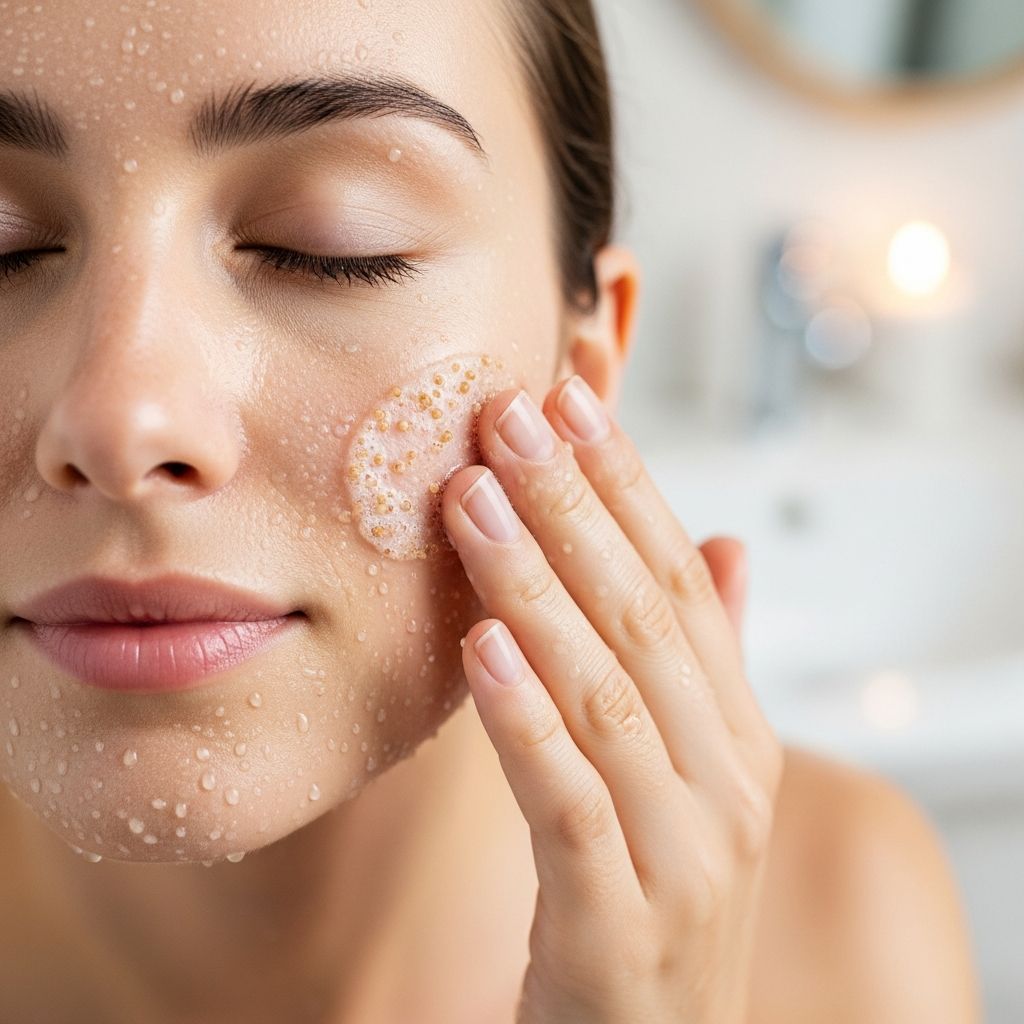
Physical exfoliation uses a tool or granular substance to manually remove dead skin cells from the surface of your skin. This method employs tools such as oscillating cleansing brushes, washcloths, or face scrubs containing granular materials.
When selecting a physical exfoliant, particle size matters significantly. Dermatologists recommend choosing scrubs with finer particles, as they are less abrasive and gentler on delicate facial skin. Sugar scrubs and rice enzyme powders are excellent examples of gentler physical exfoliants that effectively remove dead cells without causing irritation.
Common physical exfoliation materials include:
- Cleansing scrubs with fine particles
- Exfoliating mitts and cloths
- Dry brushes
- Loofahs
- Pumice stones
- Microneedling or microderma rollers
However, it’s important to note that dermatologists are increasingly recommending chemical exfoliation over physical methods. Physical scrubs have the potential to create small tears in the skin, especially when applied too vigorously.
Chemical Exfoliation
Chemical exfoliation uses active ingredients to dissolve the sticky glue that holds dead skin cells together, allowing them to shed naturally. This method offers more dramatic results than physical exfoliation and includes several types of chemical agents.
The primary chemical exfoliants include:
- Alpha Hydroxy Acids (AHAs) — Such as glycolic acid and lactic acid, found in facial peels, cleansers, and moisturizers
- Beta Hydroxy Acids (BHAs) — Such as salicylic acid, effective for deep pore cleansing
- Retinoids — While technically not traditional exfoliants, retinoids increase cell turnover and can be considered exfoliating agents
- Enzymes — Natural enzymes from fruits like pineapple and papaya gently dissolve dead skin
Related Stories



Chemical exfoliants work by targeting the bonds between dead skin cells, encouraging their natural shedding. This method can help with mild hyperpigmentation, including age spots, melasma, and scars, as well as enlarged pores, fine lines, and uneven skin tone.
How to Exfoliate Based on Your Skin Type
Choosing the right exfoliating technique for your skin type will minimize your risk of irritation and help you achieve the best possible results. Different skin types have unique needs and sensitivities.
| Skin Type | Recommended Exfoliation Method |
|---|---|
| Sensitive Skin | Skip exfoliation if possible. If necessary, use a creamy cleanser with low-percentage glycolic acid once weekly. |
| Oily Skin | Chemical exfoliants containing salicylic acid or glycolic acid work best for managing excess oil and preventing congestion. |
| Dry Skin | Gentle chemical exfoliants with AHAs; avoid harsh physical scrubs that may increase dryness. |
| Acne-Prone Skin | Products containing retinoids, salicylic acid, or glycolic acid to prevent breakouts and reduce congestion. |
| Combination Skin | Spot treat with chemical exfoliants on oily areas and low-level AHAs on dry areas on alternate days. |
Sensitive Skin Considerations
People with sensitive skin often struggle to find facial skincare products that aren’t irritating. If your skin tends to turn red and gets itchy easily, dermatologists advise skipping exfoliation altogether. However, if you feel you must exfoliate, use a creamy cleanser with a low percentage of glycolic acid just once a week.
Step-by-Step Guide to Physical Exfoliation
When performing physical exfoliation, technique matters as much as the product you choose. Here’s how to exfoliate safely:
- Use a clean tool — Start with a clean brush or your favorite scrub to avoid introducing bacteria to your face
- Move gently in circular motions — Use small, gentle, circular strokes around your face rather than aggressive scrubbing
- Keep pressure light — Think of it as caressing flower petals rather than rubbing a stain out of your favorite shirt
- Rinse with lukewarm water — Avoid hot water, which can irritate your freshly exfoliated face
- Pat dry carefully — Don’t rub; gently pat your face dry with a soft towel
- Apply moisturizer immediately — Exfoliation is always somewhat drying, so follow up with your favorite hydrating moisturizer
Step-by-Step Guide to Chemical Exfoliation
Chemical exfoliation requires a slightly different approach than physical methods. Follow these steps for safe and effective results:
- Cleanse your face first — Start with a clean face to allow the chemical exfoliant to work effectively
- Apply gently in circular motions — Use your favorite chemical exfoliant and apply it gently in small, circular motions
- Follow product instructions — If using a peel or mask, follow the package directions for how long to leave it on your face
- Rinse thoroughly — For wash-off products, lightly rinse your face with lukewarm water
- Pat dry gently — Use a soft towel to gently pat your face dry
- Apply moisturizer — Always finish with a hydrating moisturizer to lock in moisture and support skin recovery
How Often Should You Exfoliate?
Frequency is crucial when it comes to exfoliation. Dermatologists generally recommend exfoliating twice per week using a retinoid or an AHA or BHA cleanser. However, the ideal frequency depends on your skin type and the exfoliation method you’re using.
One effective regimen includes using an AHA-based cleanser two to three times per week and a facial peel pad once per week. Alternatively, you might work up to using a retinoid every day if your skin tolerates it well.
When NOT to Exfoliate
Knowing when to skip exfoliation is just as important as knowing when to do it. You should hold off on exfoliation in these situations:
- When you have cuts or open wounds — Exfoliation can worsen existing injuries and cause additional damage
- During infections like cold sores — Exfoliation can spread the infection to other areas of your face
- When sunburned — Your skin needs moisture and healing, not additional stress
- If you’ve overdone exfoliation — Take a few days off to allow your skin to recover and restore its barrier
If you have any of these conditions, focus on gentle cleansing, moisturizing, and tender loving care instead of exfoliation.
Important Exfoliation Safety Tips
To avoid irritation and damage to your skin, keep these safety guidelines in mind:
- Never use body scrubs on your face — Body scrubs are generally harsher and may tear delicate facial tissue. Facial skin requires gentler products
- Use one exfoliant at a time — Though it’s tempting to use multiple products, don’t combine exfoliants on the same area. Using multiple products can damage your skin and result in unwanted side effects
- Watch for signs of over-exfoliation — Redness, sensitivity, and irritation indicate you’re overdoing it
- Always moisturize after exfoliation — Exfoliation removes protective oils, so hydration is essential
- Switch products as needed — As your skin’s needs change with seasons or hormones, adjust your exfoliating products accordingly
What to Do If You Over-Exfoliate
Even with the best intentions, it’s easy to overdo exfoliation. If you experience irritation, redness, or excessive sensitivity, remember that you don’t need to continue. Take a few days off from exfoliation and allow your skin to recover. Return to your exfoliation routine only when your skin has calmed down and the redness has subsided.
Professional Exfoliation Options
If you want more dramatic results than at-home methods can provide, professional treatments are available through dermatologists and estheticians. These include microdermabrasion, chemical peels with higher acid concentrations, and dermaplaning with professional-grade tools. Professional peels are stronger than over-the-counter versions and may be used alongside other prescription topicals for maximum effect.
Frequently Asked Questions
Q: Can I exfoliate every day?
A: No, daily exfoliation is too frequent for most skin types. Dermatologists recommend exfoliating twice per week. Over-exfoliating can damage your skin barrier and cause irritation.
Q: Is chemical or physical exfoliation better?
A: Dermatologists increasingly recommend chemical exfoliation over physical methods because physical scrubs can create small tears in the skin. However, the best method depends on your skin type, preferences, and specific skin concerns.
Q: What should I do if my skin becomes irritated from exfoliation?
A: If you experience irritation, skip exfoliation for a few days and focus on moisturizing. Once your skin has recovered, resume exfoliation at a lower frequency or with a gentler product.
Q: Can I use retinoids and chemical exfoliants together?
A: If you’re already using retinoids, you may not need additional exfoliation since retinoids increase cell turnover. Consult your dermatologist before combining these products.
Q: How long does it take to see results from exfoliation?
A: Most people notice brighter, smoother skin within one to two weeks of consistent exfoliation. More dramatic results, like improved texture and reduced fine lines, may take several weeks of regular use.
Q: Is it safe to exfoliate if I have acne?
A: Yes, exfoliation can help prevent acne by removing dead skin cells that clog pores. Use gentle chemical exfoliants containing salicylic acid or glycolic acid, and avoid physical scrubs that may spread bacteria.
Q: What’s the difference between AHAs and BHAs?
A: AHAs (alpha hydroxy acids) work on the skin’s surface and are better for dry or normal skin. BHAs (beta hydroxy acids) penetrate pores and are ideal for oily or acne-prone skin.
References
- How to exfoliate your face: Tips from a dermatologist — Women’s Health Magazine. 2024. https://www.womenshealthmag.com/uk/beauty/skin/a62135097/how-to-exfoliate-face/
- Meaning of Exfoliating: What Is It, Why You Should, and How to Start — Healthline. 2024. https://www.healthline.com/health/beauty-skin-care/meaning-of-exfoliating
Similar Articles








Read full bio of Sneha Tete