How To Fall Asleep Fast: 5 Science-Backed Techniques
Proven techniques to fall asleep in 10, 60, or 120 seconds using breathing, relaxation, and sleep hygiene methods.
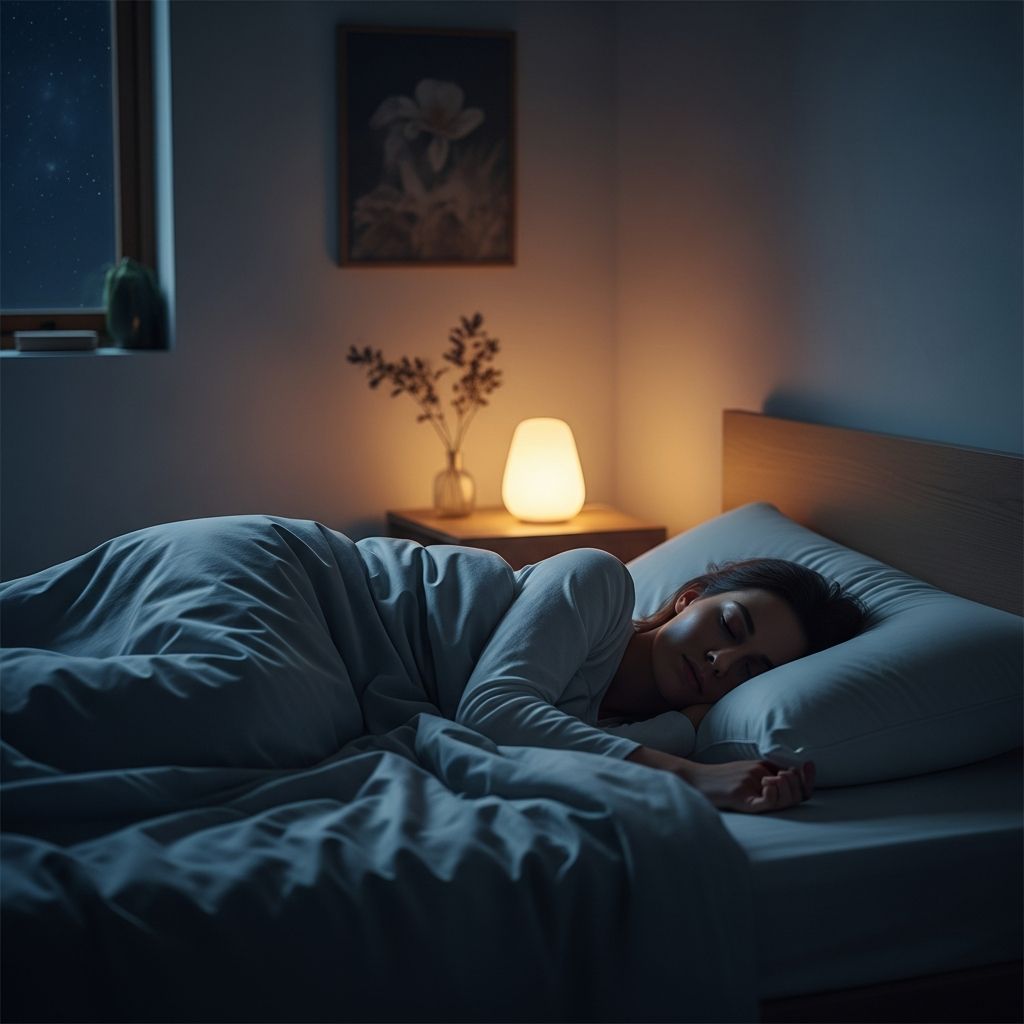
Struggling to fall asleep can turn bedtime into a frustrating battle, leaving you tossing and turning for hours. Fortunately, simple, science-backed techniques can help you drift off in as little as
10, 60, or 120 seconds
. These methods, drawn from military training, yoga practices, and clinical research, focus on calming your mind and body while optimizing your sleep environment and habits. Whether you’re dealing with occasional sleeplessness or chronic insomnia, incorporating these strategies can transform your nights and boost daytime energy.Sleep deprivation affects millions, with estimates showing up to one in three adults experiencing insufficient rest. Adults typically need 7-9 hours per night for optimal health, yet modern stressors like screens, caffeine, and irregular schedules disrupt this. By mastering quick-fall-asleep techniques, you can bypass racing thoughts and physical tension, signaling your body it’s time to rest. This guide covers proven methods categorized by time—10 seconds, 60 seconds, and 120 seconds—plus essential sleep hygiene tips and FAQs for lasting results.
10-Second Technique: The Military Method
The
military method
, developed for U.S. Navy pilots during World War II, promises to induce sleep in just 10 seconds after practice. Legend has it that after six weeks of training, 96% of pilots could fall asleep even amid chaos like gunfire or after coffee. While anecdotal, this technique combines progressive relaxation, visualization, and breath control to override mental chatter.To try it:
- Relax your entire face: Close your eyes, soften your forehead, cheeks, jaw, and tongue. Let your shoulders drop as low as possible.
- Exhale deeply, relaxing your chest, then your legs from thighs to feet until they feel heavy.
- Clear your mind for 10 seconds by visualizing a calm scene, like lying in a canoe on a serene lake under a clear blue sky.
- If thoughts intrude, repeat “don’t think” for another 10 seconds.
Practice nightly; full mastery takes time, but even partial use reduces time to sleep onset. Note: Limited scientific validation exists, but its roots in muscle relaxation align with evidence-based therapies for insomnia.
60-Second Techniques
If 10 seconds feels unrealistic, target 60 seconds with beginner-friendly methods emphasizing breath and muscle release. Research supports these over some medications for mild insomnia, promoting natural relaxation without side effects.
4-7-8 Breathing Method
Created by Dr. Andrew Weil, this pranayama-inspired technique quiets the nervous system by regulating breath. Studies on similar slow-breathing practices show they lower heart rate and cortisol, easing you into sleep within a minute.
Steps:
- Place your tongue tip behind your upper front teeth; keep it there.
- Exhale completely through your mouth with a whoosh sound.
- Close your mouth; inhale quietly through your nose for 4 seconds.
- Hold your breath for 7 seconds.
- Exhale forcefully through your mouth for 8 seconds, making a whoosh.
- Repeat 4 cycles; stop if drowsy.
Avoid if you have respiratory issues like asthma—consult a doctor first. Daily practice enhances effectiveness, mimicking yoga’s stress-reduction benefits.
Progressive Muscle Relaxation (PMR)
PMR involves tensing and releasing muscle groups to release physical tension, a staple in cognitive behavioral therapy for insomnia (CBT-I). A meta-analysis confirms it improves sleep efficiency by promoting body awareness and heaviness.
Related Stories



How to do it:
- Lie down comfortably; start with 4-7-8 breaths.
- Tense your face muscles (wrinkle nose, squeeze eyes) for 5 seconds, then release for 10, feeling the relief.
- Move to shoulders (shrug up), arms (clench fists), chest, abdomen, legs, and feet.
- Breathe deeply, imagining tension melting away like ice.
Sessions take 5-10 minutes initially but speed up with habit. Pair with a mental mantra like “relax” for amplified calm.
120-Second Techniques
For stubborn nights, extend to two minutes with cognitive shifts that combat sleep anxiety.
Paradoxical Intention: Tell Yourself to Stay Awake
Paradoxical intention (PI) flips the script: instead of forcing sleep, intend wakefulness. A 2021 study found PI reduces performance anxiety, helping insomniacs feel more rested. Lie in bed eyes open, resisting drowsiness—your body often rebels by sleeping.
Best for those with bedtime pressure; limit to 10-15 minutes before reassessing.
Visualization: Picture a Calm Place
A University of Oxford study showed “imagery distraction” outperforms counting or worry lists, cutting sleep onset by minutes. Engage senses: Imagine a peaceful beach—hear waves, feel sand, smell salt air. Avoid stimulating scenes.
- Start with familiar, positive memories.
- If mind wanders, gently return without judgment.
Combine with PMR for synergy.
Foundational Sleep Hygiene Habits
Techniques shine brightest atop solid habits. Poor daytime routines sabotage even the best methods.
| Habit | Why It Helps | Practical Tips |
|---|---|---|
| Morning Sunlight & Walks | Regulates circadian rhythm, boosts melatonin later. | 20-30 min exposure; brisk walk builds sleep drive. |
| Hydration | Prevents cramps, headaches; aids body cooling. | Sip steadily; avoid excess evening intake. |
| Screen Limits | Blocks blue light suppressing melatonin. | No screens 1hr before bed; read or stretch instead. |
| Caffeine & Exercise Cutoff | Prevents overstimulation. | No caffeine post-noon; exercise morning/afternoon. |
| Consistent Schedule | Strengthens body clock. | Same wake/bed times daily, even weekends. |
Optimize your bedroom: Cool (60-67°F), dark, quiet. Use earplugs, blackout curtains, white noise if needed.
Frequently Asked Questions (FAQs)
How do I fall asleep fast right now?
Start with sleep hygiene: dark, cool room; no screens. Try 4-7-8 breathing or military method. If persistent, track habits and consult a pro.
Does the military method really work in 10 seconds?
With 6 weeks’ practice, many report success, though evidence is anecdotal. It builds on proven relaxation principles.
Can these techniques cure insomnia?
They manage symptoms effectively for many, but chronic cases need CBT-I or medical evaluation.
What if I have anxiety or ADHD?
Methods like PI help anxiety; start slow with PMR. Professional guidance recommended.
How long until I see results?
1-2 weeks of daily practice; combine with hygiene for best outcomes.
Takeaway
Falling asleep fast is achievable by blending quick techniques like breathing and visualization with daily habits. Persistent issues? Rule out disorders like sleep apnea. Prioritize consistency for restorative sleep and vibrant days.
References
- How to Fall Asleep Fast in 10, 60, or 120 Seconds — Healthline. 2023-05-15. https://www.healthline.com/health/healthy-sleep/fall-asleep-fast
- Sleep Hygiene for Adults — Centers for Disease Control and Prevention (CDC). 2024-02-21. https://www.cdc.gov/sleep/about_sleep/sleep_hygiene.html
- Progressive Muscle Relaxation for Insomnia — National Center for Biotechnology Information (NCBI), PubMed. 2022-10-12. https://pubmed.ncbi.nlm.nih.gov/36283000
- Paradoxical Intention in Insomnia Treatment — Journal of Clinical Sleep Medicine (American Academy of Sleep Medicine). 2021-08-01. https://jcsm.aasm.org/doi/10.5664/jcsm.9345
- Circadian Rhythm and Light Exposure — National Institute of General Medical Sciences (NIGMS). 2023-11-08. https://www.nigms.nih.gov/education/fact-sheets/Pages/circadian-rhythms.aspx
Similar Articles








Read full bio of medha deb