How To Fast For A Healthy Gut: 5 Essential Steps
Discover safe fasting methods to boost gut health, support microbiome balance, and improve digestion with expert-backed tips.
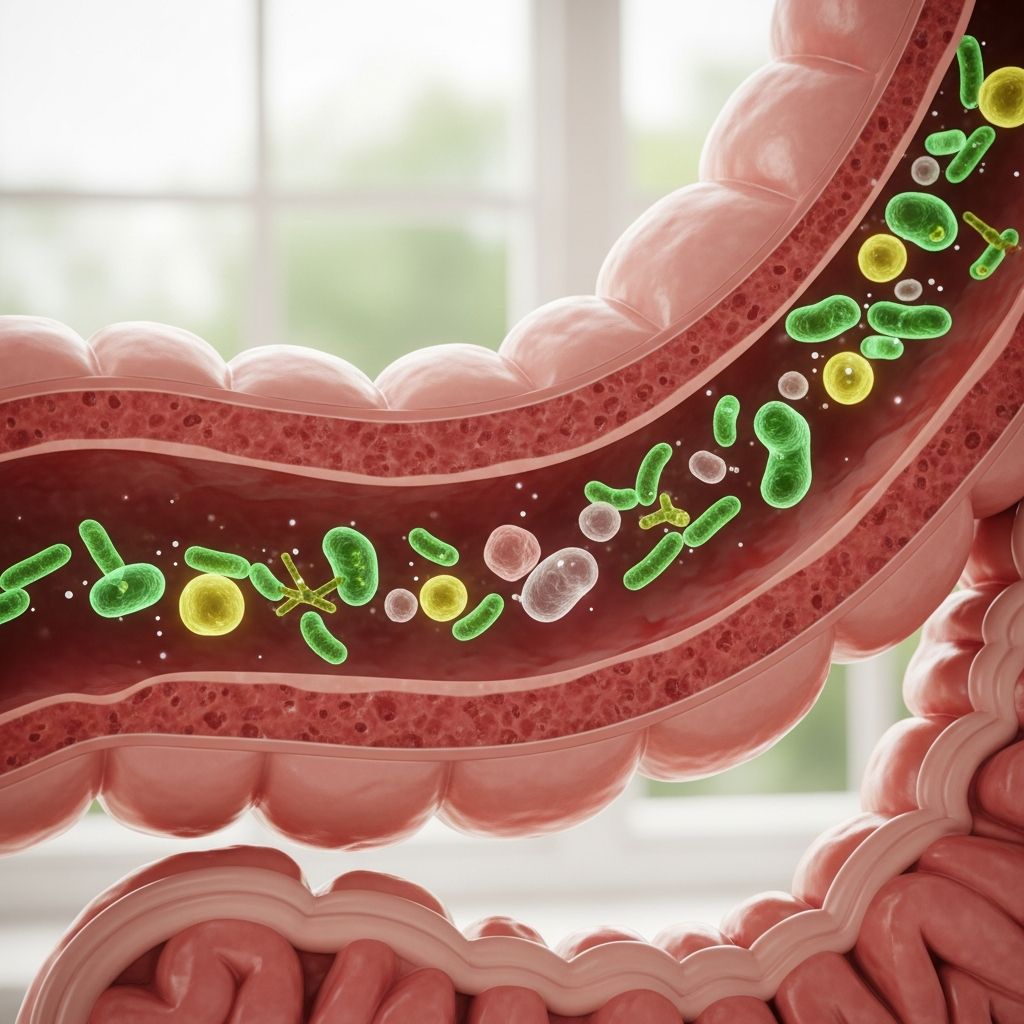
Intermittent fasting (IF) has surged in popularity as a strategy not just for weight management but for nurturing gut health. By cycling between eating and fasting periods, IF gives the digestive system a break, allowing the gut microbiome—the trillions of bacteria, fungi, and other microbes in your intestines—to reset and thrive. Research shows fasting can shift microbial composition, reduce inflammation, and promote beneficial bacteria growth, leading to better digestion, stronger immunity, and even mental clarity.
The gut microbiome plays a pivotal role in metabolizing food, producing vitamins, and regulating immune responses. Disruptions from poor diet, stress, or antibiotics can lead to dysbiosis, linked to issues like bloating, IBS, and chronic diseases. Fasting offers a natural way to restore balance without extreme measures.
What Is Intermittent Fasting?
Intermittent fasting isn’t about what you eat but when you eat. It involves alternating windows of eating with fasting, tricking the body into a state similar to hibernation where it burns fat for fuel and repairs cells—a process called autophagy. Common methods include:
- 16/8 Method: Fast for 16 hours, eat within an 8-hour window (e.g., noon to 8 p.m.). Ideal for beginners.
- 5:2 Diet: Eat normally five days a week; restrict to 500-600 calories on two non-consecutive days.
- Alternate-Day Fasting: Fast every other day or eat 500 calories on fasting days.
- 24-Hour Fasts: One or two full-day fasts per week, consuming only water, tea, or black coffee.
During fasting, insulin levels drop, prompting the body to use stored energy and clear damaged cells, which supports gut lining repair.
Benefits of Fasting for Gut Health
Fasting profoundly impacts the gut microbiome. Studies indicate it increases microbial diversity, favoring species like Akkermansia muciniphila, which strengthens the gut barrier and reduces leaky gut syndrome. Key benefits include:
- Reduced Inflammation: Fasting lowers pro-inflammatory cytokines, easing conditions like IBD.
- Improved Digestion: Rest periods allow gut motility to normalize, reducing bloating and constipation.
- Weight Management: By curbing overeating, it helps maintain a healthy gut weight balance.
- Enhanced Immunity: A diverse microbiome bolsters 70% of immune cells in the gut.
- Longevity: Animal studies link fasting-induced autophagy to extended lifespan via gut health.
Human trials show short-term fasting boosts short-chain fatty acid (SCFA) production, fueling colon cells and curbing pathogens.
Science Behind Fasting and the Gut Microbiota
Emerging research from institutions like the Institute for Functional Medicine highlights fasting’s role in modulating gut microbiota. A 2023 study found 16/8 fasting increased beneficial bacteria by 20% after four weeks. Mechanisms include:
- Microbial Reset: Fasting starves harmful bacteria while promoting resilient ones.
- Stem Cell Regeneration: It activates intestinal stem cells, renewing the gut lining every 3-5 days.
- Hormonal Shifts: Lower insulin and higher glucagon foster a microbiome-friendly environment.
Per NIH insights, gradual dietary changes like those in fasting support fiber-loving bacteria, essential for producing butyrate—a SCFA that protects against colon cancer.
Related Stories



How to Start Intermittent Fasting for Gut Health
Begin slowly to avoid digestive upset. Here’s a step-by-step guide:
- Choose Your Method: Start with 12/12 (12-hour fast/eat) and progress to 16/8.
- Hydrate: Drink 8-10 glasses of water daily; add electrolytes if needed.
- Break Fasts Gently: Start with bone broth, yogurt, or fruit to repopulate good bacteria.
- Track Progress: Note energy, bowel habits, and mood in a journal.
- Combine with Prebiotics: During eating windows, prioritize fiber-rich foods.
Aim for 25-35g fiber daily from oats, veggies, and legumes to feed your revitalized microbiome.
What to Eat During Your Eating Window
Focus on gut-nourishing foods to amplify fasting benefits:
| Category | Examples | Gut Benefits |
|---|---|---|
| Fermented Foods (Probiotics) | Yogurt, kefir, kimchi, sauerkraut | Introduce live beneficial bacteria |
| Fiber-Rich (Prebiotics) | Oats, garlic, onions, bananas | Feed good bacteria, produce SCFAs |
| Polyphenol Sources | Berries, green tea, dark chocolate | Antioxidants promote diversity |
| Healthy Fats | Avocado, nuts, olive oil | Reduce inflammation |
| Proteins | Fish, eggs, lentils | Support gut barrier repair |
Avoid processed sugars, fried foods, and excess alcohol, which disrupt microbial balance. Sample day: Breakfast (post-fast) – kefir smoothie with berries; Lunch – quinoa salad with veggies; Dinner – grilled salmon with broccoli.
Potential Side Effects and How to Manage Them
Initial fasting may cause hunger, headaches, or irritability—known as “keto flu.” Gut-specific issues like constipation arise from low fiber. Mitigate with:
- Hydration and Movement: Walk 10 minutes post-meal; sip herbal teas like ginger or peppermint.
- Electrolytes: Add salt or supplements to water.
- Sleep: Prioritize 7-9 hours; poor sleep harms microbiota.
- Stress Reduction: Meditation lowers cortisol, which damages gut lining.
If symptoms persist beyond a week, consult a doctor, especially with conditions like diabetes or eating disorders.
Who Should Avoid Fasting?
Not everyone benefits equally. Skip fasting if:
- Pregnant, breastfeeding, or underweight.
- History of eating disorders.
- Have gallbladder issues, low blood pressure, or take medications requiring food.
- Under 18 or over 65 without medical supervision.
Those with IBS or GERD should start cautiously; low-FODMAP during eating windows helps.
Frequently Asked Questions (FAQs)
Q: Can fasting cure gut issues like IBS?
A: Fasting may alleviate symptoms by resetting the microbiome, but it’s not a cure. Combine with diet and medical advice for best results.
Q: How long before I notice gut improvements?
A: Many report better digestion in 1-2 weeks; full microbiome shifts take 4-6 weeks.
Q: Is water fasting safe for gut health?
A: Short-term (24-72 hours) yes, but extended water fasts require supervision to avoid nutrient deficiencies.
Q: Does coffee break a fast?
A: Black coffee does not; it may even enhance autophagy. Avoid creamers or sugars.
Q: Can I fast daily for gut health?
A: Yes, 16/8 is sustainable long-term for most healthy adults.
Expert Tips for Long-Term Success
Sustained gut health requires consistency. Banner Health experts recommend gradual fiber increases, routine meals, and stress management alongside fasting. Pair with 150 minutes weekly exercise for optimal motility. Monitor with at-home microbiome tests if desired.
Fasting empowers your gut’s natural resilience. Start small, listen to your body, and enjoy a lighter, more vibrant you.
References
- 7 Tips for a Gentle Gut Reset After a Season of Heavy Food — Banner Health. 2023-12-15. https://www.bannerhealth.com/healthcareblog/advise-me/tips-for-a-gentle-gut-reset-after-a-season-of-heavy-food
- Keeping Your Gut in Check — NIH News in Health, National Institutes of Health. 2017-05-01. https://newsinhealth.nih.gov/2017/05/keeping-your-gut-check
- Fasting and Gut Microbiota — The Institute for Functional Medicine. 2023-01-01. http://www.ifm.org/articles/fasting-and-gut-microbiota
Similar Articles








Read full bio of medha deb