How To Fuel Your Workout: Essential Nutrition For Performance
Optimize your exercise performance and recovery with expert nutrition strategies for pre-, during, and post-workout fueling.
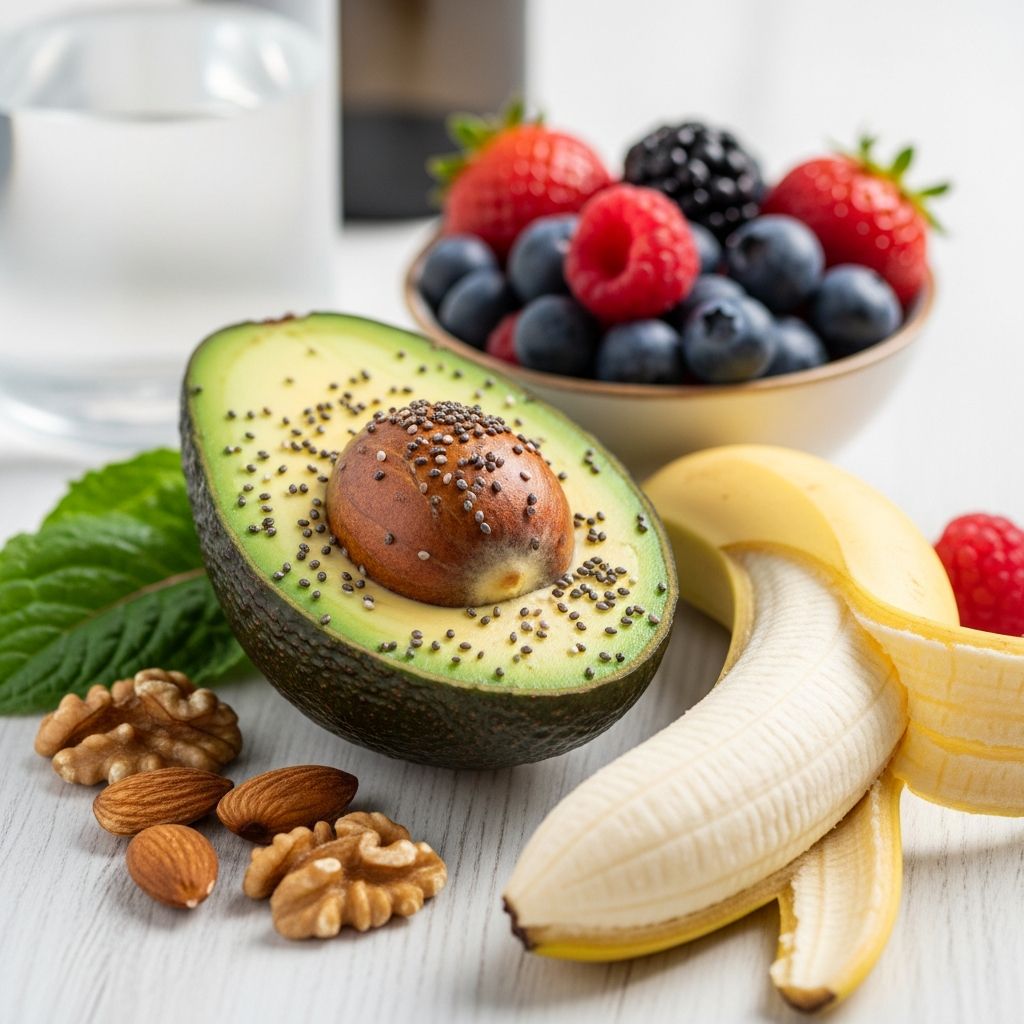
How to Fuel Your Workout
Proper nutrition is essential for maximizing exercise performance, sustaining energy levels, and promoting muscle recovery. Carbohydrates serve as the primary fuel for muscles during workouts, while proteins aid in repair and growth. Timing your intake of these nutrients around exercise can significantly enhance results.
Will Protein Make My Muscles Grow?
Protein is vital for muscle repair and overall health, but consuming extra protein alone won’t magically build bigger muscles. Muscle growth occurs through resistance training combined with adequate calorie intake to support hypertrophy. Most individuals meet protein needs through a balanced diet featuring sources like lean meats, dairy, eggs, and legumes, without requiring supplements.
The body prioritizes carbohydrates as the main energy source during exercise, converting them to glycogen stored in muscles and the liver. An athlete’s diet should emphasize carbohydrates to maintain glycogen stores, ensuring sustained performance during prolonged or intense sessions.
Do Sports Drinks, Gels and Energy Bites Live Up to the Hype?
Sports drinks, gels, and energy bites are not revolutionary products, but they can be useful for workouts exceeding one hour. These items help replace fluids and provide carbohydrates to sustain blood glucose levels, preventing fatigue. However, their necessity depends on individual tolerance, workout duration, and intensity.
For athletes prone to digestive issues with solid foods during exercise, liquid options like gels or chews offer quick absorption. Personal experimentation is key, as what works for one person may cause discomfort in another. Always prioritize whole foods when possible for balanced nutrition.
Is It Best to Work Out on an Empty Stomach?
Exercising in a fasted state, such as skipping breakfast before a morning workout, is not optimal for performance. Fueling with carbohydrates before exercise improves endurance, power output, and overall capacity by replenishing liver glycogen and stabilizing blood sugar.
If solid food feels unappealing early in the day, opt for easily digestible options like a fruit smoothie or liquid meal replacement. Hydration remains crucial—start with water or an electrolyte beverage to prepare your body. Studies show pre-exercise eating enhances performance compared to fasted training.
Regular Exercise Means I Can Eat What I Want and Not Gain Weight, Right?
This common misconception overlooks the reality of energy balance. While exercise burns calories, people often overestimate expenditure, leading to unintended weight gain if intake isn’t adjusted. Casual exercisers (under one hour per session) can maintain a healthy diet without major changes, but serious athletes training multiple times daily require precise calorie and nutrient planning.
Recovery nutrition becomes critical for those in strenuous programs, like endurance events or multi-session days. Overcompensation with food post-workout can negate benefits. Track intake and output to align with goals, emphasizing nutrient-dense choices over unrestricted eating.
Is Chocolate Milk Really an Athlete’s Best Friend?
Chocolate milk earns its reputation as an effective post-workout recovery drink due to its optimal 3:1 to 4:1 carbohydrate-to-protein ratio, which supports glycogen replenishment and muscle repair. Its fluid content also aids hydration. Consume it within 30 minutes after intense exercise for best results.
Alternatives include water-rich fruits, smoothies, or balanced snacks. Prioritize rehydration first, then carbs within the golden window post-exercise. While effective, chocolate milk isn’t the only option—any carb-protein combo works, tailored to preferences and dietary needs.
Timing Your Pre- and Post-Workout Nutrition
Fuel your body 1-4 hours before exercise, adjusting based on tolerance. Carbohydrates power muscles, with harder efforts demanding more. Protein complements by priming muscles for work. Experiment during training to avoid surprises on event day.
Pre-Workout Fuel Examples (1-4 Hours Before):
- Peanut butter and banana or PBJ sandwich (carbs + protein)
- Greek yogurt with berries
- Oatmeal with low-fat milk and fruit
- Apple with peanut or almond butter
- Handful of nuts and raisins (2:1 ratio)
Post-workout, aim for carbs and protein within 60 minutes to restore glycogen and repair tissues. This window maximizes recovery, especially after high-intensity sessions.
How Should I Fuel and Hydrate Before Exercise?
Plan intake based on timing for optimal digestion and energy availability. Even mild dehydration (2-3% body weight loss) impairs performance.
3-4 Hours Before: Balanced meal high in carbs, moderate protein, low fat. Examples: whole grain pasta with chicken and veggies, oatmeal with nuts and fruit. Carbs from grains, starchy veggies, and fruits fuel muscles.
1-2 Hours Before: Carb-rich snack like banana with nut butter or yogurt with granola to top off energy without heaviness.
Avoid greasy, spicy, or high-fiber foods to prevent GI distress.
Fueling and Hydrating During Exercise
For sessions over 60 minutes, consume 30-60g carbs per hour via drinks, gels, or bites to maintain glucose levels. Hydrate with water or electrolyte drinks; plain water suffices for shorter, moderate efforts. Water-rich foods like fruits contribute to fluid needs.
| Duration | Fuel Recommendation | Hydration |
|---|---|---|
| <60 min | Minimal; water if needed | Water |
| 60-90 min | 30g carbs/hour | Water + electrolytes |
| >90 min | 30-60g carbs/hour | Sports drink |
Individual factors like sweat rate influence needs. Monitor urine color for hydration status.
Post-Workout Recovery Nutrition
Within 1 hour post-exercise, prioritize carbs for glycogen refill and protein for muscle synthesis. Examples: chocolate milk, turkey sandwich, eggs on toast, protein shake with fruit.
Continue hydrating with fluids and water-rich produce. For multiple daily sessions, recovery fuel is non-negotiable. Balanced meals 2-3 hours later solidify gains.
Post-Workout Examples:
- Toast with tuna or eggs
- Greek yogurt with fruit
- Protein bar and banana
- Chicken salad wrap
Frequently Asked Questions
Should I eat before a morning workout?
Yes, even a small carb-protein snack like a smoothie improves performance over fasted training.
What’s the best post-workout drink?
Chocolate milk or similar carb-protein mixes; water first for hydration.
Do I need sports drinks for every workout?
No, only for prolonged, intense sessions over 60 minutes.
How much protein do I need daily?
0.8-2.0g/kg body weight, depending on activity; food sources suffice for most.
Can I lose weight while strength training?
Yes, with calorie control; don’t undereat to the point of impairing recovery.
Consult a registered dietitian for personalized plans. Nutrition optimizes what training builds—poor fueling limits results.
References
- Fueling and Hydrating Before, During and After Exercise — Nationwide Children’s Hospital. 2023. https://www.nationwidechildrens.org/specialties/sports-medicine/sports-medicine-articles/fueling-and-hydrating-before-during-and-after-exercise
- How to Fuel Your Workout — Academy of Nutrition and Dietetics. 2024-01-15. https://www.eatright.org/fitness/physical-activity/exercise-nutrition/how-to-fuel-your-workout
- Fueling Your Workouts with Food — National Institute for Fitness and Sport (NIFS). 2023-05-10. https://www.nifs.org/blog/fueling-your-workouts-with-food
- Timing Your Pre- and Post-Workout Nutrition — Academy of Nutrition and Dietetics. 2024. https://www.eatright.org/fitness/physical-activity/exercise-nutrition/timing-your-pre-and-post-workout-nutrition
- Eating and exercise: 5 tips to maximize your workouts — Mayo Clinic. 2023-11-20. https://www.mayoclinic.org/healthy-lifestyle/fitness/in-depth/exercise/art-20045506
Similar Articles




Read full bio of Sneha Tete