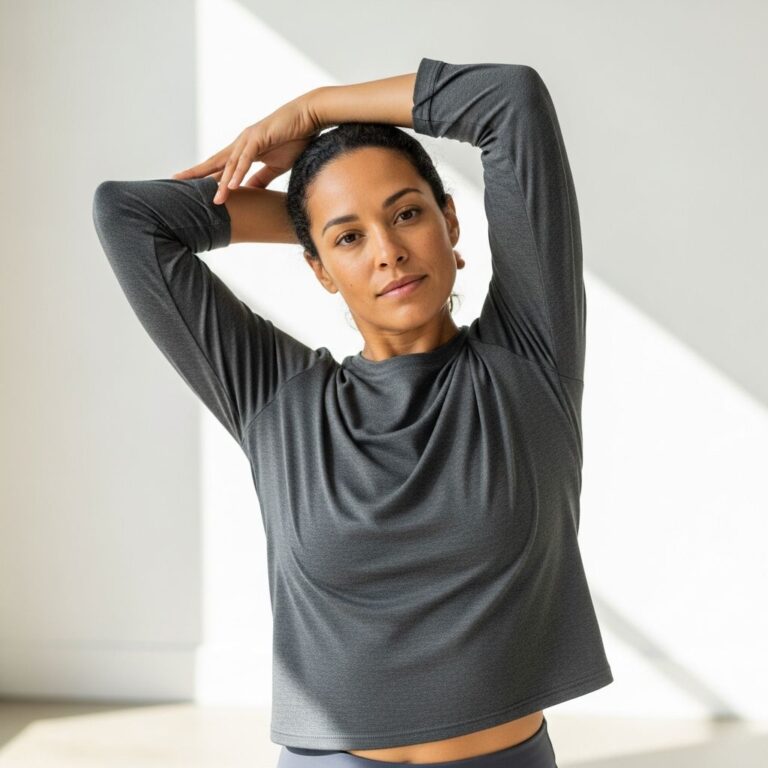
How To Get A Better Workout: 12 Trainer Tips To Boost Results
Expert tips from trainers to elevate your workouts, boost results, and make exercise more effective and enjoyable.

Whether you’re a seasoned gym-goer or just starting your fitness journey, plateaus happen to everyone. The good news? Small, strategic changes can transform mediocre workouts into highly effective sessions that deliver real results. We asked certified trainers from across the fitness industry for their top recommendations on how to get a better workout. Their advice spans warm-ups, nutrition, recovery, mindset, and advanced techniques—everything you need to elevate your performance.
These 12 tips are grounded in exercise science and practical experience. Implementing even a few could help you lift heavier, run faster, burn more calories, and stay motivated long-term. Let’s dive in.
Warm Up Properly
A proper warm-up isn’t just about breaking a sweat—it’s essential for injury prevention and performance optimization. According to the American College of Sports Medicine (ACSM), dynamic warm-ups increase muscle temperature, improve joint mobility, and enhance neural drive, allowing you to perform at peak capacity from the first rep.
Skip static stretching before workouts; instead, opt for 5-10 minutes of dynamic movements:
- Arm circles and leg swings
- Bodyweight squats and lunges
- High knees and butt kicks
- Sport-specific drills (e.g., light jogging for runners)
Finish with 1-2 light sets of your first exercise at 50-60% effort. This “RAMP” protocol (Raise, Activate, Mobilize, Potentiate) prepares your body comprehensively.
Focus on Progressive Overload
To get stronger and fitter, you must continually challenge your body. Progressive overload—the gradual increase in stress on muscles—is the cornerstone of adaptation, as outlined in NSCA strength training guidelines.
Track these variables weekly:
| Variable | How to Progress |
|---|---|
| Weight | Add 2.5-5% when you hit rep targets |
| Reps/Sets | Increase from 8 to 12 reps, then add sets |
| Rest Intervals | Shorten by 15 seconds for conditioning |
| Tempo | Slow eccentrics (3-4 seconds lowering) |
Log every session in an app or notebook. Without data, you’re guessing—and progress stalls.
Prioritize Compound Movements
Time is precious, so maximize efficiency with compound exercises that work multiple muscle groups simultaneously. Research in the Journal of Strength and Conditioning Research shows compounds like squats, deadlifts, bench presses, pull-ups, and rows elicit greater hormonal responses and calorie burn than isolation moves.
- Squats/Deadlifts: Legs, glutes, core, back
- Bench Press/Overhead Press: Chest, shoulders, triceps
- Pull-Ups/Rows: Back, biceps, rear delts
Structure 70-80% of your workout around 4-6 compounds, using isolations as finishers.
Optimize Your Rest Periods
Rest isn’t laziness—it’s strategic. Rest intervals should match your goals:
- Strength (heavy lifts): 2-5 minutes
- Hypertrophy (muscle growth): 60-90 seconds
- Endurance/Power: 30-60 seconds
Use a timer. Active recovery like walking or arm swings during rests keeps heart rate elevated without fatigue accumulation.
Fuel with Pre-Workout Nutrition
Workouts suffer without proper fuel. Consume a 2:1 carb-to-protein meal 1-2 hours pre-workout, per ISSN position stands. Examples:
- Oatmeal with whey protein and banana
- Greek yogurt with berries and granola
- Turkey sandwich on whole grain
For fasted training, use 10g BCAAs or caffeine (200-400mg) to preserve muscle and boost performance.
Related Stories



Incorporate Variety and Periodization
The body adapts quickly—fight boredom and plateaus with periodization. Cycle focus every 4-6 weeks:
- Week 1-4: Strength (heavy, low reps)
- Week 5-8: Hypertrophy (moderate weight, 8-12 reps)
- Week 9-12: Power/Endurance (explosive moves, circuits)
Swap exercises (e.g., front squats for back squats) to prevent overuse injuries.
Master Your Mind-Muscle Connection
Feeling the target muscle work maximizes activation. Studies via EMG show focused contractions recruit 20-30% more fibers.
Tips:
- Lighten weight initially to “feel” the muscle
- Visualize the muscle shortening/lengthening
- Pause at peak contraction (1-2 seconds)
- Use mirrors or video feedback
Time Your Workouts Right
Circadian rhythms influence performance. Research from the Journal of Strength and Conditioning Research indicates strength peaks mid-afternoon (2-6 PM) due to higher core temperature and neural efficiency.
If mornings work best for schedule, use extra warm-up. Consistency trumps perfect timing.
Use Tempo Training
Control tempo adds intensity without extra weight. Notation: 3-0-1-0 (3s eccentric, 0 pause, 1s concentric, 0 pause).
- Squats: 4-0-1-1 (slow descent, pause bottom)
- Bench: 3-1-1-0
- Rows: 2-0-2-1
This builds strength throughout the range of motion and improves control.
Prioritize Recovery and Sleep
Gains happen during recovery, not the gym. Aim for 7-9 hours sleep nightly—sleep debt elevates cortisol and tanks testosterone, per Endocrine Society data.
Active recovery days: yoga, walking, foam rolling. Deload every 4-6 weeks (50% volume).
Track Progress Beyond the Scale
Scale weight lies. Measure success with:
- Performance metrics (weights lifted, reps)
- Body measurements/photos
- Biofeedback (energy, sleep quality)
Get a Training Partner or Coach
Accountability skyrockets results. Partners push you harder (spotting, competition), while coaches fix form and program intelligently. Studies show social support increases adherence 40%.
Frequently Asked Questions (FAQs)
How long should a warm-up last?
5-10 minutes of dynamic movement plus 1-2 ramp-up sets. Adjust based on workout intensity.
What’s the best time of day to work out?
Afternoon (2-6 PM) for peak strength, but consistency matters most.
How often should I change my workout routine?
Every 4-6 weeks to prevent adaptation and staleness.
Do I need supplements for better workouts?
No, but creatine (5g/day), caffeine, and protein support performance when diet lacks.
How do I know if I’m progressing?
Track lifts, reps, body comp, and how clothes fit—not just scale weight.
References
- ACSM Guidelines for Exercise Testing and Prescription — American College of Sports Medicine. 2022. https://www.acsm.org/education-resources/books/guidelines-exercise-testing-prescription
- Progression models in resistance training for healthy adults — National Strength and Conditioning Association. 2021-02-08. https://journals.lww.com/nsca-jscr/fulltext/2009/02000/progression_models_in_resistance_training_for.29.aspx
- International Society of Sports Nutrition position stand: nutrient timing — Journal of the International Society of Sports Nutrition. 2017-08-14. https://doi.org/10.1186/s12970-017-0189-4
- Time-of-day effects on muscle strength — Journal of Strength and Conditioning Research. 2023. https://pubmed.ncbi.nlm.nih.gov/36877892/
- Sleep and athletic performance: Impacts on physical performance — Sleep Medicine Reviews. 2022. https://www.sleepmedres.org/journal/view.php?doi=10.17241/smr.2021.00397
Similar Articles








Read full bio of medha deb