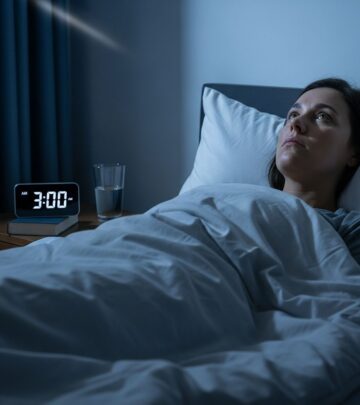
How to Get Back to Sleep When You Wake Up at Night
Proven strategies to fall back asleep quickly when you wake in the middle of the night.
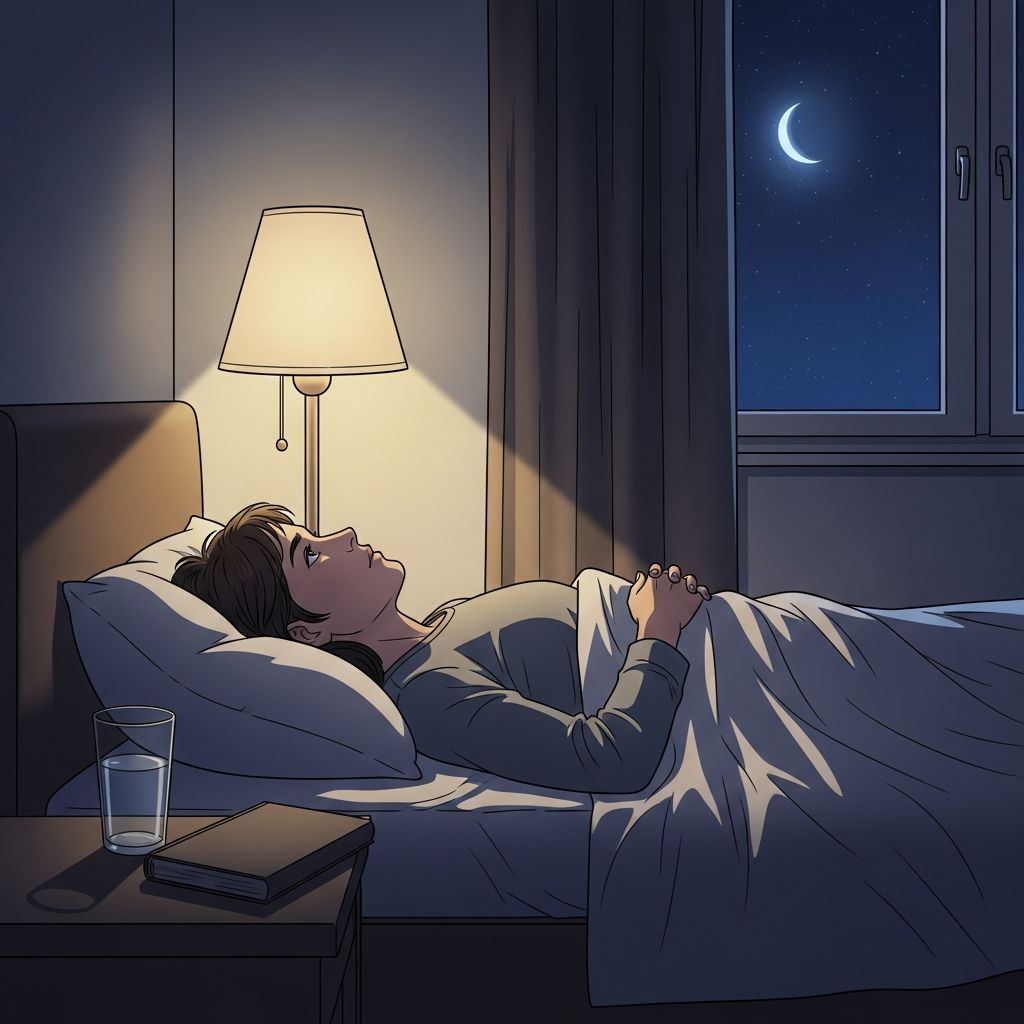
Waking up in the middle of the night is a common experience that affects millions of people. Whether you wake at 2 a.m. or 4 a.m., the struggle to fall back asleep can be frustrating and leave you exhausted the next day. Understanding why this happens and knowing practical strategies to address it can help you reclaim a full night of restorative sleep. This guide explores evidence-based techniques to help you get back to sleep quickly and effectively when you find yourself awake during the night.
Understanding Why You Wake at Night
Before addressing solutions, it’s important to understand common reasons for middle-of-the-night awakening. Sleep disruptions can occur due to various factors including stress, anxiety, environmental conditions, hormonal changes, aging, certain medications, or underlying sleep disorders. According to sleep research from Johns Hopkins Medicine, understanding the root cause of your nighttime awakening is the first step toward finding an effective solution. The National Sleep Foundation has found that approximately 39% of Americans get less than 7 hours of sleep each night, and many experience disruptions during their sleep cycles.
The Importance of Quality Sleep
Quality sleep is essential for your overall health and well-being. Sleep allows your body to repair damaged tissues, strengthen your immune system, and consolidate memories. When you don’t get enough continuous sleep, you face both short-term and long-term consequences. Short-term effects include fatigue, difficulty concentrating, and brain fog, while long-term effects can include increased risk of heart disease, high blood pressure, diabetes, and mental health disorders. A good night’s sleep can help repair damaged heart and blood vessels, and without sufficient sleep, your risk for various health conditions increases significantly.
Immediate Techniques to Fall Back Asleep
Stay Calm and Don’t Panic
One of the most important steps when you wake at night is to remain calm. Panicking about being awake often makes it harder to fall back asleep. Anxiety about sleep itself can keep your mind active and your body alert. Instead, remind yourself that waking occasionally during the night is normal, and many people successfully fall back asleep within a few minutes.
Practice Deep Breathing Exercises
Deep breathing is one of the most effective relaxation techniques for helping you return to sleep. Try the 4-7-8 technique: breathe in through your nose for a count of 4, hold for 7, and exhale through your mouth for 8. This technique activates your parasympathetic nervous system, which promotes relaxation and prepares your body for sleep. Repeat this cycle five to eight times or until you feel drowsy.
Progressive Muscle Relaxation
Progressive muscle relaxation involves systematically tensing and then releasing different muscle groups throughout your body. Start with your toes and work your way up to your head. Tense each muscle group for about five seconds, then release and notice the sensation of relaxation. This technique helps redirect your attention away from racing thoughts and promotes physical relaxation.
Visualization and Guided Imagery
Create a mental image of a peaceful, relaxing place such as a beach, forest, or mountain. Engage all your senses in this visualization—imagine the sounds, smells, textures, and sights of your chosen location. This mental exercise can distract your mind from worries and create a calm state conducive to sleep.
Related Stories



Environmental and Behavioral Adjustments
Optimize Your Sleep Environment
Your bedroom environment plays a crucial role in sleep quality. Ensure your room is dark, quiet, and cool. Consider using blackout curtains, a white noise machine, or earplugs to minimize disruptions. Keep your bedroom temperature between 60-67 degrees Fahrenheit, as this range is optimal for sleep.
Limit Screen Time Before Bed
The blue light from phones, tablets, and computers can interfere with melatonin production, the hormone that regulates sleep. Avoid screens for at least one hour before bedtime and when you wake at night. If you must check the time, use a device with a red light filter or a traditional alarm clock that doesn’t emit blue light.
Get Out of Bed If Needed
If you’ve been awake for 20 minutes or more and feel frustrated, it may help to get out of bed. Move to another room and do a quiet, non-stimulating activity in low light until you feel sleepy again. This helps your brain associate your bed with sleep rather than wakefulness.
Pre-Sleep Relaxation Strategies
Warm Beverages and Herbal Teas
Drinking a soothing beverage can help calm your body and mind. Warm milk contains tryptophan, an amino acid that promotes sleep. Herbal teas such as chamomile, valerian root, passionflower, and lavender have long been used to promote relaxation and sleep. Avoid caffeinated beverages when you wake at night, as caffeine can keep you alert for hours.
Aromatherapy
Certain scents can promote relaxation and sleep. Lavender, chamomile, sandalwood, and bergamot are known for their calming properties. Use a diffuser, scented pillow spray, or essential oils to incorporate aromatherapy into your nighttime routine.
Meditation and Mindfulness
Meditation and mindfulness practices can help quiet your racing thoughts and bring your attention to the present moment. Try a body scan meditation where you mentally scan your body from head to toe, noticing sensations without judgment. Apps and guided audio programs can provide step-by-step instructions for various meditation techniques.
Sleep Hygiene Fundamentals
Sleep hygiene refers to the habits and practices that support quality sleep. Implementing these fundamentals can reduce the frequency of nighttime awakenings:
Maintain a Consistent Sleep Schedule
Go to bed and wake up at the same time every day, even on weekends. This consistency helps regulate your body’s internal clock and improves overall sleep quality. Over time, your body will naturally become sleepy at your regular bedtime and alert at your regular wake time.
Avoid Large Meals Before Bed
Eating large meals, particularly heavy or spicy foods, close to bedtime can cause discomfort and disrupt sleep. Finish eating at least two to three hours before bed. If you’re hungry before sleep, opt for light snacks like a banana or yogurt.
Limit Caffeine and Alcohol
Caffeine can remain in your system for up to six hours, so avoid it after 2 p.m. While alcohol may initially make you drowsy, it disrupts sleep cycles and often causes middle-of-the-night awakenings. If you consume alcohol, do so earlier in the evening.
Exercise Regularly
Physical activity promotes better sleep, but timing matters. Exercise earlier in the day or at least three to four hours before bedtime. Vigorous exercise too close to bedtime can be stimulating and interfere with sleep onset.
Managing Racing Thoughts
Racing thoughts are a common reason for nighttime awakening and difficulty falling back asleep. Here’s how to manage them:
The Worry Dump Technique
Keep a notebook and pen on your nightstand. If something is troubling you or you remember a task you need to complete, write it down. This simple act transfers the thought from your mind to paper, allowing you to mentally set it aside. Tell yourself you will address these concerns tomorrow.
Cognitive Reframing
Practice challenging negative thoughts about sleep. Instead of thinking “I’ll never fall back asleep” or “This night is ruined,” reframe your thoughts to “I am resting, which is also beneficial,” or “I have successfully fallen back asleep many times before.”
The 15-Minute Rule
If you’re lying awake and your mind won’t settle, give yourself 15 minutes. If you haven’t fallen back asleep in that time, get up and do something relaxing. This prevents frustration from building and breaking the sleep-wake cycle.
Understanding Sleep Timing and Mental Health
Recent research from Stanford Medicine reveals important connections between sleep timing and mental health. A large-scale study of nearly 75,000 adults found that regardless of whether someone is naturally a morning person or night owl, staying up late is associated with higher rates of mental health disorders, including depression and anxiety. Night owls who sleep late were 20% to 40% more likely to have been diagnosed with a mental health disorder compared with night owls following an earlier schedule.
The research suggests that the issue isn’t about being true to your natural sleep preference, but rather about the actual timing of sleep. Both morning types and evening types who went to sleep late had higher rates of mental health disorders. One theory, known as the “mind after midnight” hypothesis, suggests that late-night hours can foster impulsivity, negative mood, and impaired judgment, making poor decisions more likely during these hours.
When to Seek Professional Help
If you consistently struggle to fall back asleep and this is affecting your daytime functioning, it may be time to consult a healthcare provider or sleep specialist. Persistent nighttime awakening can indicate underlying conditions such as:
- Insomnia
- Sleep apnea
- Restless leg syndrome
- Depression or anxiety
- Medication side effects
- Hormonal changes
Cognitive Behavioral Therapy for Insomnia (CBT-I)
Research has shown that Cognitive Behavioral Therapy for Insomnia (CBT-I) is highly effective for treating sleep problems. This type of therapy combines behavioral changes with cognitive interventions to address beliefs, fears, and unrealistic expectations about sleep. CBT-I involves learning about sleep hygiene and addressing thought patterns that may be interfering with sleep. A trained therapist can tailor a treatment plan specific to your needs, and therapy can be effective in treating both sleep issues and related mental health concerns simultaneously.
Quick Reference: Sleep-Promoting Habits
| Habit | Benefit | When to Practice |
|---|---|---|
| Deep Breathing | Activates relaxation response | When you first wake at night |
| Progressive Muscle Relaxation | Releases physical tension | While lying in bed |
| Warm Herbal Tea | Promotes calm and drowsiness | Before bed or when awake |
| Journaling Worries | Clears racing thoughts | When thoughts prevent sleep |
| Consistent Schedule | Regulates circadian rhythm | Every day, all day |
| Cool Dark Room | Optimizes sleep environment | Every night |
Frequently Asked Questions
Q: How long should I try to fall back asleep before getting up?
A: Most sleep experts recommend trying for about 20 minutes. If you haven’t fallen back asleep by then, getting out of bed and doing a quiet activity in another room can help reset your sleep cycle.
Q: Is it normal to wake up during the night?
A: Yes, occasional nighttime awakenings are normal for most people. The key is being able to fall back asleep within a reasonable timeframe and getting sufficient total sleep time.
Q: Can checking the time make it harder to fall back asleep?
A: Yes, checking the time can increase anxiety about how much sleep you’re losing, which makes falling back asleep more difficult. Try to avoid looking at the clock when you wake during the night.
Q: How much sleep do I actually need?
A: Most adults need between 7-9 hours of sleep per night for optimal health. The exact amount varies by individual, but consistent sleep within this range is associated with better mental and physical health outcomes.
Q: Should I exercise if I wake up at night?
A: No, you should avoid vigorous exercise when you wake at night. Instead, engage in calm, relaxing activities like gentle stretching, meditation, or reading until you feel sleepy again.
Q: Can medication help with nighttime awakenings?
A: Depending on the underlying cause, medication may help. However, it’s best to consult with a healthcare provider to determine the appropriate treatment. Behavioral approaches and sleep hygiene should typically be tried first.
Q: How long does it take for these strategies to work?
A: Some techniques, like deep breathing and visualization, can help immediately when you wake. However, lifestyle changes and habit formation typically take 2-4 weeks to show noticeable improvement in overall sleep quality.
References
- Night owl behavior could hurt mental health, sleep study finds — Stanford Medicine. 2024-05-19. https://med.stanford.edu/news/all-news/2024/05/night-owl-behavior-could-hurt-mental-health–sleep-study-finds.html
- Why Sleep Matters — Stillpoint Counseling and Wellness. https://stillpointcounselingandwellness.com
- How to sleep better — Johns Hopkins Aramco Healthcare. https://www.jhah.com/en/news-events/news-articles/how-to-sleep-better/
Similar Articles








Read full bio of medha deb