How To Get Hair Dye Off Your Skin: 7 Proven Techniques
Expert tips and home remedies to safely remove hair dye stains from skin without irritation or damage.
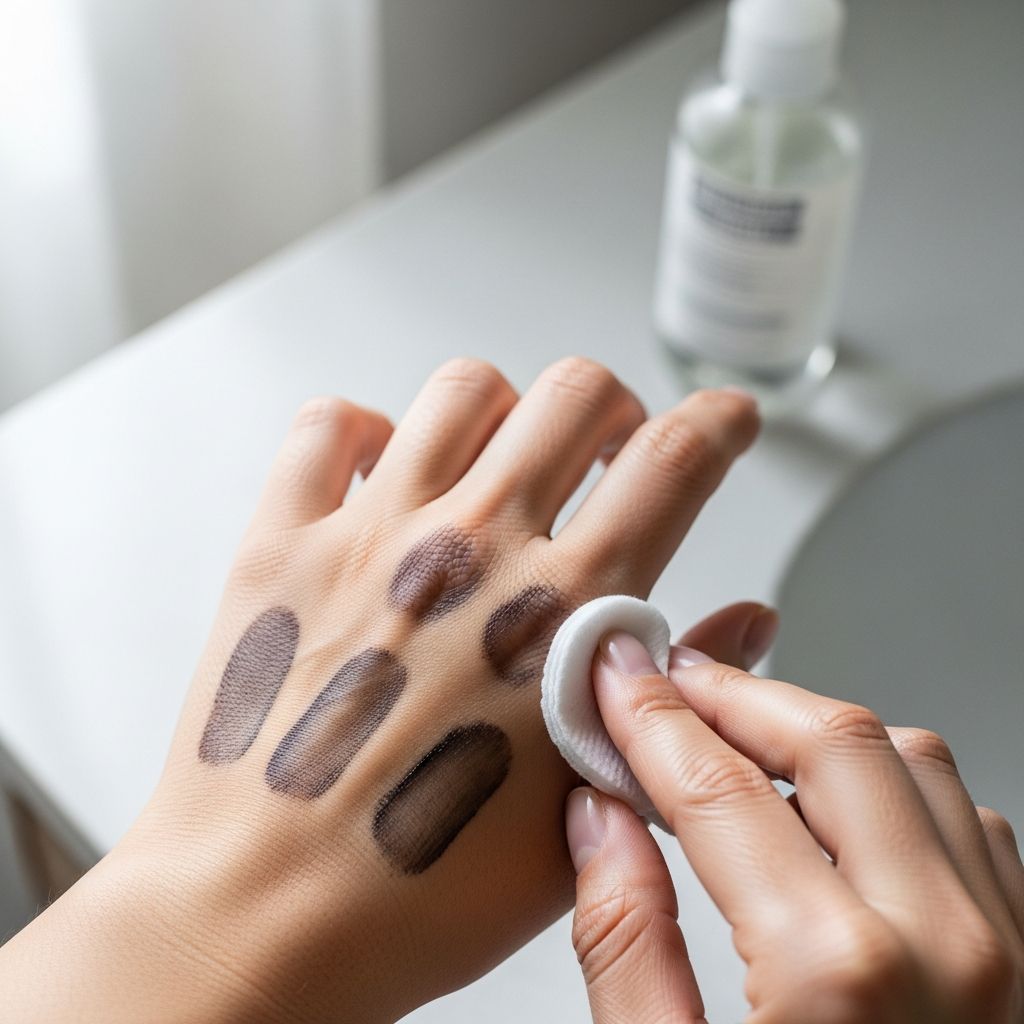
Hair dye stains on the skin are a common mishap during at-home or salon coloring sessions, often appearing on the forehead, ears, neck, or hands. These semi-permanent marks occur because hair dye pigments penetrate the skin’s outer layer, similar to how they bond with hair shafts. While usually harmless and fading within days, prompt removal prevents prolonged discoloration and potential irritation.
This guide covers prevention strategies, immediate removal techniques using household items and commercial products, detailed methods for different body areas, safety precautions, and what to do if reactions occur. Backed by dermatologist and stylist recommendations, these steps ensure clean skin without damage.
Prevention Is Key
The best way to avoid hair dye stains is proactive protection before coloring begins. Apply a thick layer of petroleum jelly, Vaseline, or mineral oil along your hairline, ears, neck, and anywhere dye might drip. This creates a barrier that prevents pigment absorption, as dry skin soaks up dye more readily. Hairstylist Robert Bennett from Maxine Salon emphasizes saturating cotton pads with stain removers like Redken during application for quick wipe-ups.
- Wear gloves: Always use disposable or rubber gloves to protect hands and nails from staining.
- Wipe as you go: Keep damp cloths or baby wipes nearby to blot drips immediately before they set.
- Section hair: Apply dye in small sections to minimize spills.
- Hydrate skin: Moisturized skin resists stains better; apply lotion pre-coloring.
During salon visits, professionals often use these techniques, but at-home dyers should double down on prep to avoid post-color cleanup.
Immediate Removal Methods
Act fast—fresh dye wipes off easier than set stains. Start with gentle options and progress to stronger ones if needed. Dermatologist Joshua Zeichner, M.D., from Mount Sinai Hospital notes that skin treated with retinoids or exfoliants is more prone to deep staining and irritation.
Soap and Water
The simplest first step: Use a mild, non-soap cleanser like Dove Beauty Bar with warm water. Gently rub stained areas with a soft cloth for mild exfoliation. This removes fresh dye effectively without irritation.
Commercial Stain Removers
Products like Redken Stain Remover pads or Framar Kolor Killer Wipes are pre-saturated for easy use. Soak a cotton pad and wipe gently; they’re formulated for skin safety.
Baking Soda Paste
Mix equal parts baking soda with dish soap, toothpaste, or water into a paste. Its abrasiveness lifts dye without harsh scrubbing. Apply, rub in circles for 1-2 minutes, then rinse. Ideal for hands and neck.
Oils (Olive, Coconut, Baby Oil)
For sensitive skin, massage oil into stains for 5-10 minutes; it dissolves pigments. Wipe with a cloth and cleanse afterward. Dr. DeRosa recommends this gentle alternative.
Rubbing Alcohol or Hydrogen Peroxide
Dab 70% rubbing alcohol or 3% hydrogen peroxide on a cotton ball and gently blot. Effective for stubborn stains but avoid eyes, face, or broken skin due to irritation risk. Rinse thoroughly.
Related Stories



Makeup Remover or Micellar Water
These break down pigments like makeup. Soak a cotton pad and wipe; great for facial stains.
Other Household Hacks
- Toothpaste: Non-gel variety with baking soda; rub and rinse, but test for irritation.
- Dish Soap: Strong degreasers dissolve dye; mix with baking soda for hands.
- Nail Polish Remover: Acetone-based; dab sparingly on non-facial areas, rinse immediately.
- More Hair Dye: Counterintuitive but works by reacting with the stain; apply sparingly.
Removing Stains from Specific Areas
Different body parts require tailored approaches to avoid damage.
Face and Hairline
Use gentle methods: oils, micellar water, or cleansers. Avoid alcohol near eyes. Celebrity colorist Nikki Ferrara warns against manual scrubs, which tear delicate skin. Exfoliating products with glycolic or salicylic acid shed stained cells over days.
Hands and Nails
Baking soda-dish soap paste or cuticle remover for nails. Follow with moisturizer to prevent dryness.
Ears and Neck
Petroleum jelly massage absorbs dye; wipe and cleanse.
Scalp
Post-color, use gentle exfoliating shampoos like Neutrogena T/Sal after 24-48 hours to avoid stripping hair color.
| Area | Best Methods | Precautions |
|---|---|---|
| Face/Hairline | Oils, Micellar Water, Cleanser | Avoid alcohol, scrubs |
| Hands/Nails | Baking Soda Paste, Nail Polish Remover | Moisturize after |
| Ears/Neck | Petroleum Jelly, Soap | Gentle rubbing |
| Scalp | Exfoliating Shampoo | Wait post-dye |
Potential Skin Reactions and Risks
Hair dye rarely causes severe issues but can lead to redness, itching, or rashes, especially from para-phenylenediamine (PPD), a common allergen. Dr. DeRosa notes most stains fade in days, but consult a doctor for persistent irritation. Zeichner adds that exfoliated skin absorbs dye deeper.
- Allergic reactions: Hives, swelling—stop use and seek medical help.
- Irritation from removal: Over-scrubbing worsens redness; use moisturizers.
- Sensitive skin: Patch-test removers; opt for oils.
If rash develops, wash thoroughly and apply hydrocortisone cream. Severe cases may need antihistamines.
Frequently Asked Questions (FAQs)
Does hair dye come off skin on its own?
Yes, most stains fade in 3-7 days as skin sheds naturally, but removal speeds it up and prevents itching.
Is rubbing alcohol safe for facial hair dye stains?
Use sparingly; it’s effective but irritating. Prefer oils or cleansers for face.
Can I use bleach to remove dye from skin?
No—household bleach damages skin. Stick to safe methods listed.
How do I prevent dye on nails?
Polish nails pre-dye or use cuticle remover post-stain; wear gloves.
What if the stain won’t budge after trying everything?
Wait 1-2 days for natural exfoliation or visit a dermatologist for professional removal.
Expert Tips for Next Time
Stylists like Sydney Wingfield stress thorough hair rinsing to avoid scalp drips. Always follow package instructions and ventilate areas to minimize inhalation risks. For frequent colorists, invest in barrier creams and wipes for a stain-free routine.
With these methods, hair dyeing becomes mess-free. Patience and gentleness yield the best results, preserving skin health alongside vibrant color.
References
- How To Remove Hair Dye From Your Skin, According To Experts — Women’s Health Mag. 2023-approx. https://www.womenshealthmag.com/beauty/a42917380/how-to-get-hair-dye-off-skin/
- How to Remove Hair Dye From Your Skin, According to the Pros — Good Housekeeping. 2023-approx. https://www.goodhousekeeping.com/beauty/hair/a47544/how-to-get-hair-dye-off-skin/
- How To Get Hair Color Off Your Skin: 11 Proven Ways — Hair.com. 2023-approx. https://www.hair.com/how-to-get-hair-color-off-your-skin.html
- 6 Ways to Remove Hair Dye Stains from the Skin — Healthline. 2023-approx. https://www.healthline.com/health/how-to-get-hair-dye-off-skin
Similar Articles








Read full bio of Sneha Tete