How to Get More Energy by Knowing Your Chronotype
Unlock peak energy by aligning your day with your natural chronotype—morning lark, night owl, or in between.
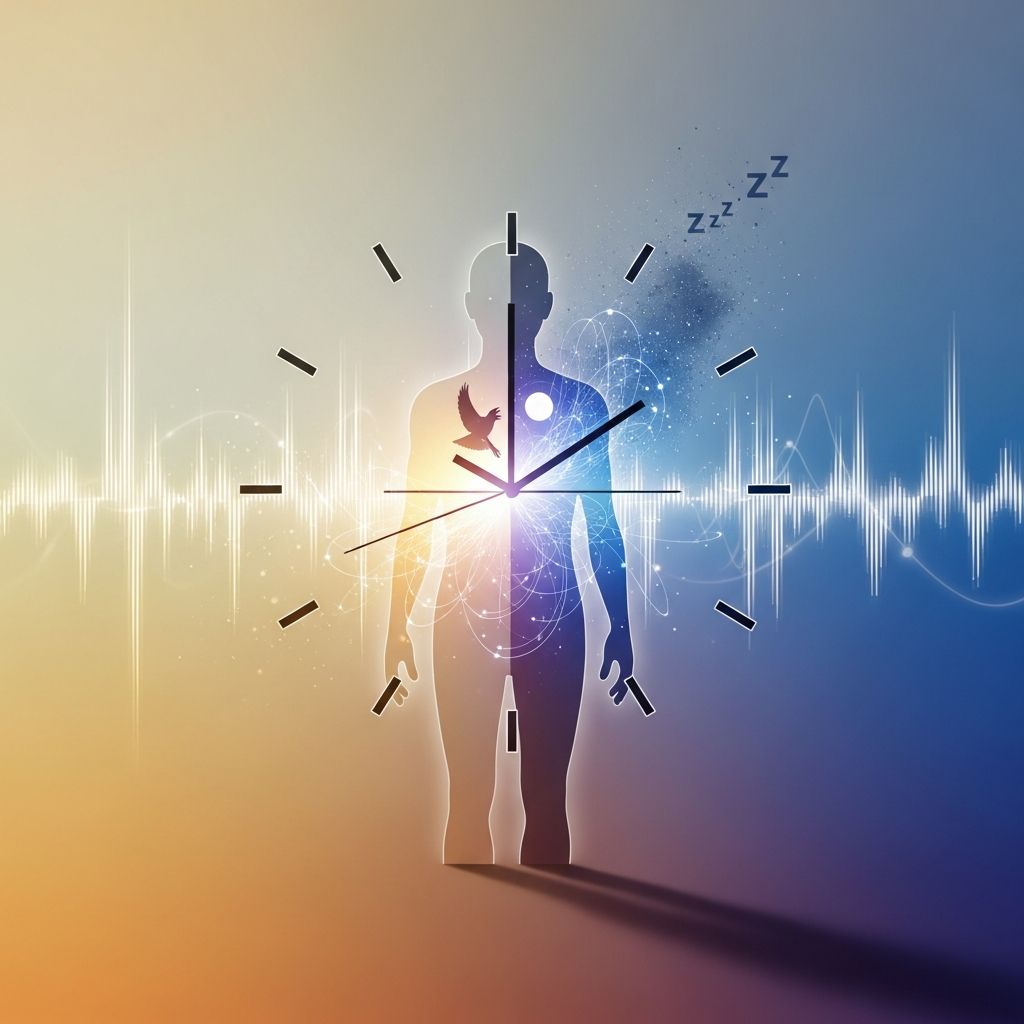
Your chronotype defines your body’s natural preference for sleep and wake times, influencing when you feel most energetic and alert throughout the day. Aligning your schedule with this internal clock can significantly boost energy levels, improve focus, and enhance overall well-being.
What Is a Chronotype?
A
chronotype
is your individual circadian typology, reflecting genetic, hormonal, and neurological rhythms that dictate your peak times for activity, alertness, and rest. It’s more than just being a ‘morning person’ or ‘night owl’—it’s rooted in the suprachiasmatic nucleus, your brain’s master clock, which regulates sleep-wake cycles via genes like PER1, PER2, and CRY.Chronotypes emerge from variations in the intrinsic circadian period: morning types have shorter periods (around 24.1 hours), advancing their phase, while evening types have longer ones (up to 24.3 hours), delaying it. This interacts with sleep homeostasis and external zeitgebers like light, shaping melatonin onset (earlier in morning types) and cortisol peaks.
Genetics play a key role, with GWAS studies identifying 351 loci linked to chronotype, including clock genes. Environmental factors like light exposure also matter—morning types get more bright light (>1000 lux), sensitizing their rhythms further.
The Four Chronotypes: Which One Are You?
Popular frameworks, like those from sleep researcher Michael Breus, categorize chronotypes into four animal archetypes based on the Morningness-Evenness Questionnaire (MEQ) and Munich ChronoType Questionnaire (MCTQ). These help personalize routines for maximum energy.
- Lion (Morning Chronotype): Early risers who peak at dawn. They thrive on 6-7 hours of sleep, waking energized around 5-6 AM. Lions excel in early tasks but fade by evening.
- Bear (Intermediate): The majority (50-55%), aligned with solar cycles. They sleep 7-8 hours, best from 11 PM-7 AM, with steady energy following a biphasic alertness curve.
- Wolf (Evening Chronotype): Night owls peaking post-12 PM. They need 8+ hours, ideally midnight-8 AM or later, struggling with mornings due to delayed melatonin.
- Dolphin (Insomniac Type): Light sleepers with irregular rhythms, often perfectionists. They average 6 hours, fighting sleep despite fatigue, with fragmented rest.
To identify yours, track sleep logs for two weeks or take validated quizzes. Age shifts chronotypes—children lean morning, adolescents evening, adults stabilizing intermediate.
How Chronotype Affects Your Energy and Health
Misaligning with your chronotype causes ‘social jetlag,’ mimicking time zone shifts, leading to fatigue, poor cognition, and health risks. Evening types face higher obesity, diabetes, and psychiatric disorder risks from late eating and stress.
| Chronotype | Peak Energy Time | Health Risks if Misaligned |
|---|---|---|
| Lion | 4-12 PM | Evening burnout, insomnia |
| Bear | 9 AM-2 PM | General fatigue, weight gain |
| Wolf | 12 PM-8 PM / Midnight | Metabolic issues, depression |
| Dolphin | 10 AM-2 PM | Anxiety, chronic sleep debt |
Cognition peaks match chronotype: mornings for larks, evenings for owls. Hormonally, evening types show later melatonin (by ~2 hours) and potential hippocampal atrophy from prolonged cortisol. Productivity soars when scheduling demanding tasks during personal peaks.
General Tips to Boost Energy Regardless of Chronotype
While personalization is key, universal strategies stabilize your circadian rhythm for sustained energy.
- Consistent Wake Time: Rise at the same hour daily, even weekends, to anchor your clock. Use natural light exposure within 30 minutes.
- Strategic Light Management: Morning bright light advances phase; avoid blue light evenings to prevent delays.
- Meal Timing: Eat during high-energy windows; chronotype influences metabolism—morning types handle breakfast better.
- Exercise Sync: Morning workouts for larks, afternoon for owls, boosting endorphins without disrupting sleep.
- Hydration and Caffeine: Hydrate first thing; time caffeine 90 minutes post-wake to align with adenosine clearance.
Naps under 20 minutes before 2 PM recharge without inertia. Track via wearables for insights.
Related Stories



Tailored Routines for Each Chronotype
Lion Chronotype: Rise and Conquer Early
Lions, true early birds, generate 60% of the population’s morning productivity. Sample day:
- 5 AM Wake: 10-min sunlight walk, protein breakfast (eggs, yogurt).
- 6-10 AM Peak Work: Tackle analytics, calls.
- Afternoon Wind-Down: Light tasks post-lunch; gym 4 PM.
- 9 PM Bed: Dim lights, no screens. Energy tip: Batch creative work mornings.
Bear Chronotype: Flow with the Sun
Bears follow daylight, needing routine for balance. Optimal schedule:
- 7 AM Rise: Coffee outdoors, balanced breakfast.
- 9 AM-12 PM Focus: Deep work; post-lunch dip? 10-min walk.
- Evening Social: Exercise 6 PM, dinner by 7 PM.
- 11 PM Sleep: Wind-down ritual. Pro: Versatile energy.
Wolf Chronotype: Own the Night
Wolves combat societal bias against late rhythms. Harness evenings:
- 9 AM Wake: Gradual light exposure, no rush.
- 12-4 PM Ramp-Up: Lighter tasks mornings; creative peaks later.
- Evening Power: Workouts 7 PM, brainstorming post-dinner.
- 1 AM Bed: Melatonin supplement if needed. Health note: Watch late snacking.
Dolphin Chronotype: Tame the Restless Mind
Dolphins fight insomnia; prioritize recovery:
- 6:30 AM Wake: Gentle routine, meditation.
- 10 AM-2 PM Zone: Protected focus blocks.
- Avoid Overstim: No caffeine post-2 PM; yoga evenings.
- 11:30 PM Bed: Sleep hygiene: cool room, white noise. Tip: Journal worries pre-bed.
Common Challenges and Solutions
Social jetlag hits hardest weekends or shift work. Solutions:
- Shift Workers: Anchor sleep with blackout curtains, timed light therapy.
- Parents: Micro-naps, chronotype-matched chores.
- Students: Schedule classes per peak; evening types advocate late starts.
Track progress: Energy journals reveal patterns. Apps quantify chronotype shifts with age or lifestyle.
Frequently Asked Questions (FAQs)
Can I change my chronotype?
No, core chronotype is genetic, but habits like light exposure and consistency can shift it slightly (e.g., 1-2 hours).
What’s the best sleep duration by chronotype?
Lions: 6-7 hrs; Bears/Wolves: 7-9 hrs; Dolphins: 6-7 hrs with quality focus.
Do chronotypes affect mental health?
Yes, evening types link to higher depression/anxiety risks from misalignment.
How does age impact chronotype?
Shifts morning with age: kids morning, teens evening, adults intermediate.
Are chronotype quizzes accurate?
Validated ones like MEQ/MCTQ are reliable; combine with sleep tracking.
Final Thoughts on Harnessing Your Chronotype
By identifying and honoring your chronotype, you minimize energy dips, amplify productivity, and safeguard health. Start with a quiz, experiment with routines, and adjust iteratively—your body will thank you with sustained vitality.
References
- Chronotype, circadian rhythm, and psychiatric disorders — PMC/NCBI. 2022-08-29. https://pmc.ncbi.nlm.nih.gov/articles/PMC9399511/
- What is your sleep chronotype and its impact on productivity — Ultrahuman Blog. 2023. https://blog.ultrahuman.com/blog/what-is-your-sleep-chronotype-and-its-impact-on-productivity/
- Chronotypes: Definition, Types, & Effect on Sleep — Sleep Foundation. 2024. https://www.sleepfoundation.org/how-sleep-works/chronotypes
- Sleep Chronotype: Understanding Your Body’s Ideal Sleep Schedule — Guava Health. 2024. https://guavahealth.com/article/sleep-chronotypes-understanding-ideal-sleep-schedule
Similar Articles








Read full bio of Sneha Tete