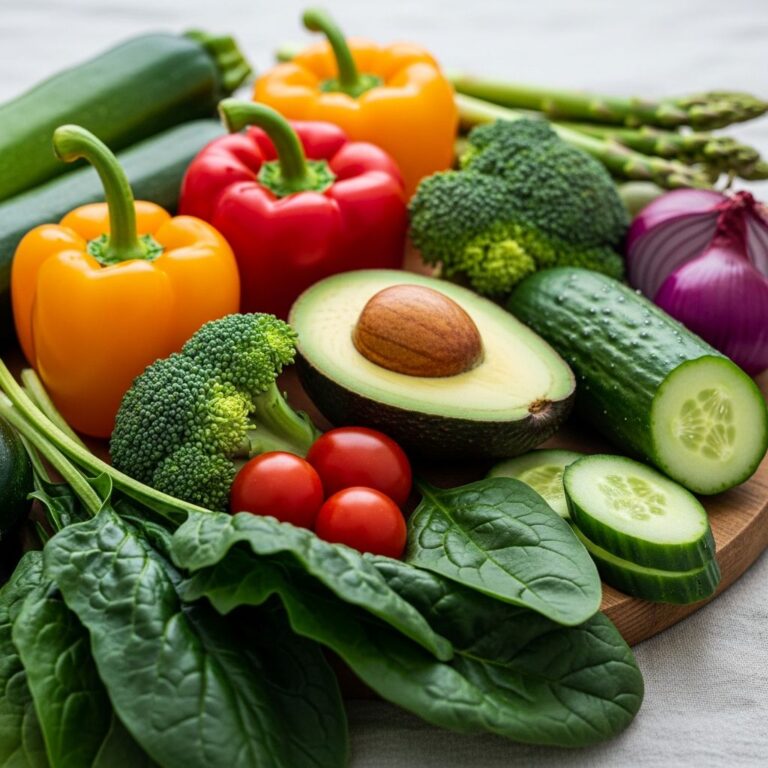
How to Get More Probiotics: A Complete Guide
Discover natural ways to boost your gut health with probiotics from food and supplements.

Probiotics, often referred to as “good gut bugs,” have become increasingly popular among health-conscious consumers seeking to improve their digestive wellness and overall health. These live microorganisms, including beneficial bacteria, viruses, fungi, and other microbes, inhabit our digestive tract and play a crucial role in maintaining a healthy microbiome. Whether you’re interested in boosting your immunity, supporting digestive function, or enhancing your overall wellbeing, understanding how to incorporate more probiotics into your daily routine is an essential step toward better health.
Understanding Probiotics and Your Gut Microbiome
The human gut contains trillions of microorganisms that form a complex ecosystem known as the microbiome. This community of bacteria, viruses, and fungi works together to support various bodily functions, from nutrient absorption to immune system regulation. Probiotics are the beneficial strains within this ecosystem that contribute positively to your health when consumed in adequate amounts.
The relationship between probiotics and health has sparked considerable interest in both scientific research and the consumer market. However, it’s important to distinguish between evidence-based benefits and marketing hype. While probiotics are promoted for treating various health conditions and boosting immunity, the quality of scientific evidence supporting these claims varies significantly across different conditions and bacterial strains.
Natural Food Sources of Probiotics
One of the most effective and sustainable ways to increase your probiotic intake is through fermented foods. Fermentation is an ancient food preservation method that involves the controlled growth of microorganisms, which convert food components through enzymatic processes. This process not only preserves food but also creates an environment rich in beneficial bacteria.
Fermented Foods Rich in Probiotics
Fermented foods offer a natural, whole-food approach to probiotic consumption. The following foods are naturally rich in live cultures:
- Yogurt: One of the most accessible sources of probiotics, yogurt contains live and active cultures. Look for labels indicating “live and active cultures” to ensure the product hasn’t been heat-treated after fermentation.
- Kefir: A fermented milk beverage that typically contains more probiotic strains than yogurt, making it an excellent option for those seeking diverse microbial communities.
- Sauerkraut: Fermented cabbage that provides probiotics along with additional nutrients from the vegetables. Choose unpasteurized varieties to ensure live cultures are present.
- Kimchi: A traditional Korean fermented vegetable dish that combines probiotics with other beneficial compounds from spices and vegetables.
- Tempeh: A fermented soy product that serves as both a probiotic source and a complete protein for vegetarian diets.
- Miso: A fermented soy paste commonly used in Asian cuisine that adds probiotic benefits to soups and dishes.
- Kombucha: A fermented tea beverage that contains probiotics, though the amount varies depending on preparation and storage.
- Pickled vegetables: While many commercial pickles are vinegar-based without probiotics, naturally fermented pickles contain beneficial bacteria.
When selecting fermented foods, it’s crucial to check whether they’ve been pasteurized, as heat treatment can eliminate the live cultures that provide probiotic benefits. Raw, unpasteurized versions are typically more effective sources of active probiotics.
The Role of Prebiotics in Supporting Probiotics
While probiotics are the beneficial bacteria themselves, prebiotics are the food that nourishes these organisms. Prebiotics consist of non-digestible fermentable carbohydrates that pass through the digestive system largely unchanged, serving as fuel for beneficial bacteria in the colon. Understanding prebiotics is essential for maximizing the effectiveness of probiotics in your diet.
Common Prebiotic Foods
Incorporating prebiotic-rich foods into your diet helps create an optimal environment for probiotics to flourish:
Related Stories



- Oligofructose naturally found in wheat, onions, and garlic
- Inulin from chicory root, leeks, and asparagus
- Bananas and other fruits high in resistant starch
- Whole grains and legumes
- Beans and lentils
- Artichokes and other vegetables
The fermentation of prebiotics by gut bacteria may help increase beneficial bacterial strains, prevent pathogenic bacterial growth, reduce constipation, support healthy immune function, and lower blood cholesterol levels. This synergistic relationship between prebiotics and probiotics creates a more effective approach to gut health than focusing on either component alone.
Probiotic Supplements: What You Need to Know
Beyond food sources, probiotic supplements offer another avenue for increasing probiotic intake. However, the supplement market for probiotics is complex and sometimes confusing, with varying degrees of scientific support for different products and strains.
Evaluating Supplement Quality
When considering probiotic supplements, several factors deserve careful attention:
- Strain specificity: Different bacterial strains may have different health effects. Choose supplements that specify the exact strains included rather than generic formulations.
- Colony-forming units (CFUs): This measure indicates the number of viable bacteria in the supplement. Higher CFUs aren’t necessarily better; efficacy depends on the specific strain and health condition.
- Storage requirements: Many probiotics require refrigeration to maintain viability. Check storage instructions carefully.
- Expiration dates: Probiotic viability decreases over time, so purchase supplements with recent manufacturing dates.
Multi-Strain vs. Single-Strain Supplements
A common marketing claim is that multi-strain probiotic supplements (containing more than one bacterial strain) are more effective than single-strain formulations. However, research has not consistently demonstrated that multi-strain supplements are superior to single-strain types. The effectiveness depends more on the specific strains, their viability, and how they interact with your individual microbiome.
Understanding Synbiotics and Postbiotics
As the probiotic market has evolved, supplement manufacturers have developed related products worth understanding:
Synbiotics
Synbiotics are supplements combining both probiotics and prebiotics, designed to provide the beneficial bacteria along with their food source. The theory is that by combining these elements, the bacterial strains will receive nourishment and thrive better in the gut environment. However, at this time, there is limited quality scientific evidence supporting the use of symbiotic supplements to improve health outcomes.
Postbiotics
Postbiotics are the “waste” products produced by gut bacteria after digesting prebiotic fibers. These byproducts include beneficial short-chain fatty acids and vitamin K. While postbiotics have potential health benefits, they are primarily promoted by industry as supplements marketed alongside traditional probiotics. Like synbiotics, scientific evidence supporting postbiotic supplements remains limited.
Health Conditions and Probiotic Evidence
Substantial consumer interest exists regarding probiotic use for various health conditions. However, the American Gastroenterological Association’s 2020 practice guidelines on probiotic supplements noted that only a few conditions show sufficient evidence for their use.
Conditions with Low-Quality Evidence
The following conditions have shown low-quality evidence for probiotic supplementation:
- Severe diarrhea caused by C. difficile bacterial infections
- Diarrhea from antibiotic use
- Infectious diarrhea in children
- Irritable bowel syndrome
- Constipation
- Ulcerative colitis and Crohn’s disease (only in clinical trial settings)
- Prevention of recurrent pouchitis (an inflammatory condition following surgery for ulcerative colitis)
- Non-alcoholic fatty liver disease
While these conditions have shown some promise in research, the evidence remains preliminary, and results are often inconsistent across different studies and probiotic strains. Additionally, many studies are funded by probiotic manufacturers, which can introduce bias favoring the use of these supplements.
Safety Considerations for Probiotic Use
While generally recognized as safe for healthy individuals, probiotic supplements carry specific safety considerations for certain populations.
Generally Safe Strains
Certain species of microbes, such as Lactobacillus and Bifidobacterium, are naturally found in the human colon and are considered safe and non-pathogenic for most people.
At-Risk Populations
Specific groups should avoid probiotic supplements without medical consultation:
- People with weakened immune systems
- Those taking immunosuppressant medications
- Individuals with severe disease conditions
In these cases, probiotics have been associated with harmful overgrowth or other health complications. Therefore, any individual considering probiotic supplementation should discuss this decision with their healthcare provider, who can assess personal risk factors and make informed recommendations.
Building a Healthy Microbiome Through Diet
Research consistently supports that the most effective and safest approach to cultivating a healthy gut microbiome is through dietary patterns rather than supplements alone. A diet rich in fiber from fruits, vegetables, whole grains, and legumes naturally supports the growth of beneficial bacteria.
Dietary Recommendations for Microbiome Health
| Food Category | Examples | Microbiome Benefits |
|---|---|---|
| Fermented Foods | Yogurt, kefir, sauerkraut, kimchi, miso | Direct probiotic supply |
| Prebiotic-Rich Vegetables | Onions, garlic, asparagus, artichokes | Feeds beneficial bacteria |
| Whole Grains | Oats, brown rice, quinoa, barley | Provides fiber for bacterial fermentation |
| Legumes | Beans, lentils, chickpeas, peas | High fiber and resistant starch |
| Fruits | Bananas, berries, apples, pears | Contains both prebiotics and polyphenols |
By implementing a diverse diet rich in these foods, you provide your existing gut bacteria with the resources they need to thrive and flourish naturally. This approach addresses the foundation of gut health rather than attempting to introduce external organisms without supporting them adequately.
Distinguishing Marketing Claims from Scientific Evidence
The probiotic supplement industry is substantial and growing, with manufacturers making increasingly attractive health claims. Consumer awareness of the distinction between marketing language and scientific evidence is essential for making informed decisions.
Many attractive claims on supplement labels lack high-quality scientific support. Factors contributing to this include:
- Industry funding of research, which can bias results in favor of supplement use
- Publication bias, where positive findings are more likely to be published than negative or neutral results
- Small, short-term studies that cannot establish long-term efficacy or safety
- Lack of standardization in supplement quality and bacterial strain potency
The supplement industry remains largely unregulated compared to pharmaceutical products, making it crucial for consumers to approach claims with appropriate skepticism and verify information through credible health sources.
Practical Steps to Increase Probiotic Intake
If you’re interested in incorporating more probiotics into your routine, consider these practical recommendations:
- Start with fermented foods: Begin by introducing one or two fermented foods into your diet weekly, gradually increasing frequency as your palate adapts.
- Choose variety: Consume different fermented foods and sources to maximize bacterial strain diversity in your microbiome.
- Verify fermentation: Look for labels indicating “live and active cultures” or “naturally fermented,” and avoid pasteurized products when possible.
- Combine with prebiotics: Pair probiotic foods with prebiotic-rich vegetables, whole grains, and legumes to support bacterial growth.
- Consult healthcare providers: Discuss probiotic use with your doctor, particularly if you have health conditions or take medications.
- Focus on diet quality: Prior to or instead of supplements, prioritize improving overall diet quality with whole foods.
Frequently Asked Questions About Probiotics
Q: Are probiotics necessary if I eat a healthy diet?
A: For most healthy individuals, a diet rich in fiber and fermented foods provides sufficient probiotic support. Supplements are typically not necessary unless recommended by a healthcare provider for specific conditions.
Q: How long does it take to notice benefits from probiotics?
A: Some people notice changes within days or weeks, while others may take several weeks or months. Individual responses vary significantly based on baseline health and the specific bacterial strains being introduced.
Q: Can I take too many probiotics?
A: While probiotics are generally safe for healthy people, consuming excessive amounts through supplements isn’t necessarily beneficial. Food sources naturally provide appropriate quantities for most individuals.
Q: Do all fermented foods contain probiotics?
A: Not all fermented products contain probiotics. Many commercial fermented foods are pasteurized during processing, which kills the live bacteria. Check labels for “live cultures” or “naturally fermented” indications.
Q: Should I refrigerate all probiotic supplements?
A: Storage requirements vary by product. Always follow manufacturer instructions, as some probiotics maintain viability at room temperature while others require refrigeration to preserve bacterial viability.
Q: Are expensive probiotic supplements better than affordable ones?
A: Price doesn’t necessarily correlate with quality or effectiveness. Look for specific strain identification, CFU counts, and third-party testing rather than relying on price as an indicator of quality.
Bottom Line: A Balanced Approach to Probiotic Intake
Probiotics have undoubtedly captured consumer imagination and market interest, yet the scientific evidence supporting their universal use remains limited and sometimes conflicting. While certain strains show promise for specific conditions in research settings, most healthy individuals would not likely benefit significantly from probiotic supplementation.
The most evidence-based and sustainable approach to optimizing gut health involves implementing a dietary pattern that emphasizes variety and includes fiber-rich fruits, vegetables, whole grains, and legumes. This natural approach “feeds” your existing beneficial gut bacteria and creates an environment where they can flourish. Adding naturally fermented foods to this foundation provides additional probiotic support without the uncertainties associated with supplements.
The World Gastroenterology Organisation recommends that when clinicians do advise probiotic supplements, they should specify the exact strains, doses, and duration that were shown to be beneficial in human trials. For consumers, this translates to being cautious about supplement marketing claims and prioritizing whole-food sources of probiotics as the foundation of gut health strategy.
Remember to always consult with your healthcare provider before starting any new supplement regimen, particularly if you have existing health conditions or take medications. A personalized approach based on your individual health status and needs will serve you better than following general marketing recommendations.
References
- Probiotics for Gut Health — Harvard School of Public Health, The Nutrition Source. 2024. https://nutritionsource.hsph.harvard.edu/probiotics/
- Clinical Practice Guidelines on Probiotic Supplements — American Gastroenterological Association. 2020. https://www.gastro.org
- Guidelines for Probiotic Use — World Gastroenterology Organisation. 2021. https://www.worldgastroenterology.org
- Fermented Foods and the Microbiome — National Institutes of Health, MedlinePlus. 2024. https://medlineplus.gov
- Prebiotics and Digestive Health — Academy of Nutrition and Dietetics. 2023. https://www.eatright.org
Similar Articles








Read full bio of medha deb