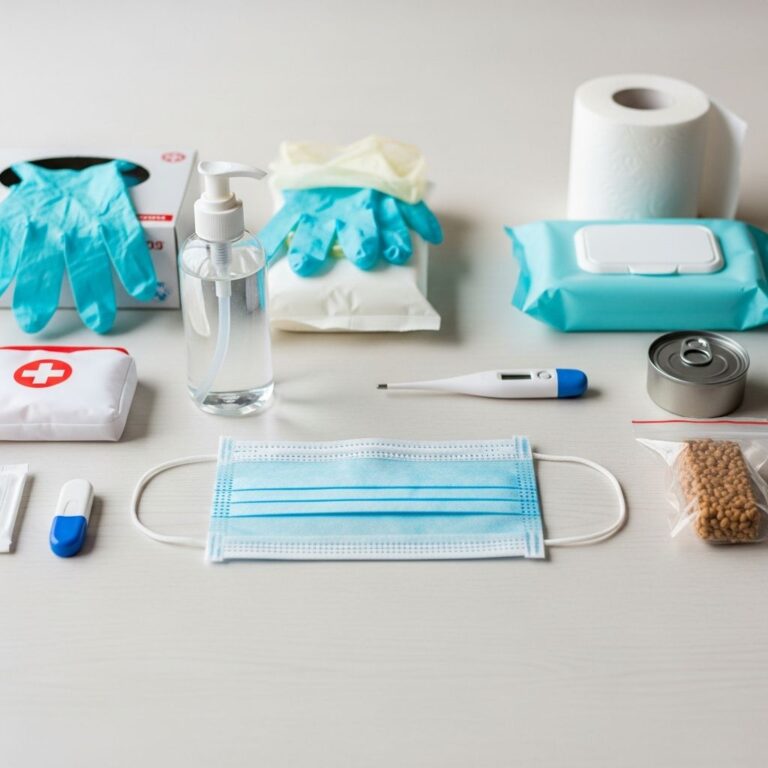
Get Rid Of A Cold Fast: 6 Evidence-Based Remedies
Discover proven strategies to shorten cold duration, ease symptoms, and recover faster with expert-backed remedies.
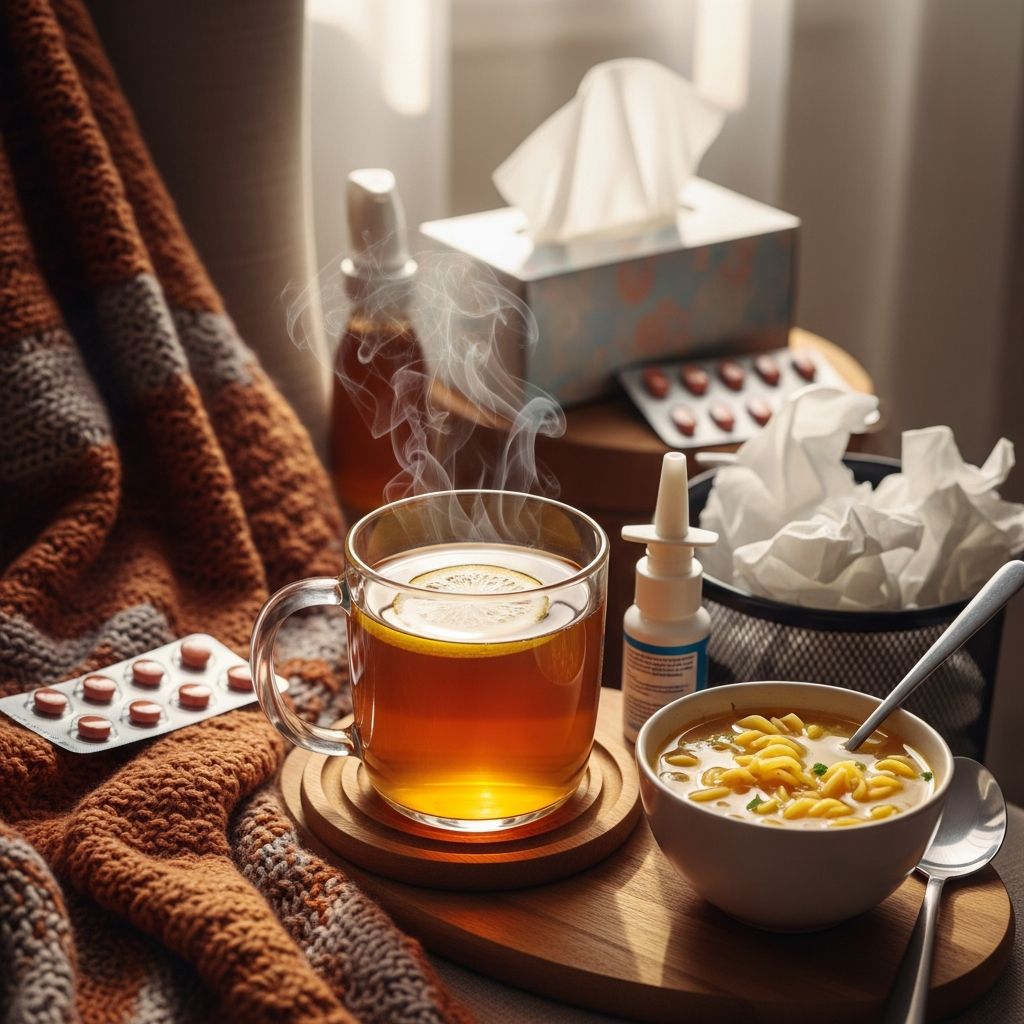
The common cold is an upper respiratory infection typically caused by rhinoviruses or other viruses, affecting adults about 2-3 times per year on average. While there’s no cure for the common cold, since it’s viral and antibiotics won’t help, you can take steps to manage symptoms and potentially shorten its duration from the usual 7-10 days. This article explores evidence-based strategies recommended by health experts to help you recover faster.
What Is a Cold?
A cold, or common cold, is a mild viral infection of the nose, throat, sinuses, and upper airways. It spreads easily through respiratory droplets from coughing, sneezing, or touching contaminated surfaces. Symptoms usually appear 1-3 days after exposure and peak within 2-3 days. Unlike the flu, colds rarely cause severe complications in healthy adults, but they can feel miserable. According to the CDC, colds account for billions of cases annually worldwide.
Common Cold Symptoms
Recognizing symptoms early allows for prompt action. Typical signs include:
- Runny or stuffy nose
- Sore throat
- Cough
- Congestion
- Sneezing
- Mild headache
- Low-grade fever (more common in children)
- Fatigue
- Watery eyes
Symptoms vary by person and virus strain but generally resolve within a week. If symptoms persist beyond 10 days or worsen, consult a doctor to rule out secondary infections like sinusitis or pneumonia.
Prevention Tips for Colds
Preventing a cold is easier than treating one. Key strategies include:
- Wash hands frequently: Use soap and water for 20 seconds, especially after public contact.
- Avoid touching your face: Viruses enter through eyes, nose, or mouth.
- Stay away from sick people: Maintain distance and avoid sharing items.
- Disinfect surfaces: Clean high-touch areas like doorknobs and phones.
- Get enough sleep: Aim for 7-9 hours nightly to bolster immunity.
- Eat a balanced diet: Focus on fruits, vegetables, and whole grains for vitamins.
- Consider flu vaccine: It doesn’t prevent colds but reduces flu confusion.
Vaccines specifically for colds don’t exist due to over 200 virus strains, but good hygiene remains the best defense.
1. Rest
Your body fights the virus best when rested. Sleep allows immune cells like cytokines to ramp up production and combat infection. Studies show sleep-deprived people have reduced antibody responses. Aim for 8-10 hours nightly and nap if needed. Avoid strenuous activity, which can prolong symptoms by diverting energy from healing. Create a restful environment: dark room, cool temperature, and no screens before bed.
2. Hydrate
Drinking plenty of fluids thins mucus, prevents dehydration from fever, and soothes irritated throats. The CDC recommends 8-10 cups daily, more if feverish. Opt for:
- Water
- Herbal teas (chamomile or ginger)
- Broths
- Electrolyte drinks (avoid sugary sodas)
Warm liquids like chicken soup provide additional comfort and may have mild anti-inflammatory effects, per research in Chest journal.
3. Use Over-the-Counter (OTC) Medications Wisely
OTC drugs target specific symptoms without curing the virus. Always follow dosing instructions and consult a pharmacist if you have health conditions.
| Symptom | Recommended OTC | How It Helps |
|---|---|---|
| Congestion | Decongestants (pseudoephedrine, phenylephrine) | Shrinks swollen nasal passages |
| Cough | Dextromethorphan suppressants or guaifenesin expectorants | Reduces coughing or loosens mucus |
| Pain/Fever | Acetaminophen or ibuprofen | Lowers fever and eases aches |
| Runny nose | Dries up secretions | |
| Multi-symptom | Combination products like DayQuil/NyQuil | Addresses several issues at once |
Related Stories



Note: Children under 6 should avoid most OTC cold meds; consult a pediatrician.
4. Try Home Remedies
Time-tested remedies can provide relief:
- Saltwater gargle: Mix 1/4 tsp salt in warm water; gargle to soothe throat.
- Humidifier: Moist air eases congestion; clean daily to prevent mold.
- Honey: 1-2 tsp soothes cough (not for children under 1).
- Steam inhalation: Breathe steam from hot shower or bowl of water.
- Chicken soup: Hydrates and may inhibit neutrophil activity to reduce inflammation.
5. Consider Supplements (With Caution)
Some supplements show promise but aren’t magic bullets:
- Zinc: Lozenges within 24 hours of symptoms may shorten colds by 33%, per Cochrane review. Dose: 75-100mg/day short-term.
- Vitamin C: High doses (1-2g/day) might reduce duration slightly in adults; everyday use prevents via immune support.
- Echinacea/Pelargonium: Mixed evidence; may mildly reduce symptoms.
Consult a doctor before starting, especially if pregnant or on medications.
6. Nasal Irrigation
Neti pot or saline sprays flush mucus and allergens. A 2015 study in Canadian Medical Association Journal found it reduces symptoms by 2-3 days. Use distilled water and clean devices properly to avoid infections.
When to See a Doctor
Most colds resolve without intervention, but seek medical help for:
- Symptoms lasting >10 days
- High fever (>101°F in adults, >102°F in kids)
- Severe headache or sinus pain
- Shortness of breath or wheezing
- Ear pain
- Symptoms in infants or high-risk individuals (e.g., elderly, immunocompromised)
These could indicate flu, strep, or bacterial complications requiring prescription treatment.
Frequently Asked Questions (FAQs)
Can you get rid of a cold in 24 hours?
No, but early intervention with rest, hydration, and zinc can minimize severity and duration.
Does vitamin C cure colds?
It may slightly shorten duration but doesn’t cure; regular intake supports immunity better.
Is it okay to exercise with a cold?
Light activity if symptoms are above the neck; rest if chest congestion or fever.
Can antibiotics treat a cold?
No, antibiotics fight bacteria, not viruses; overuse leads to resistance.
How long is a cold contagious?
Most contagious first 2-3 days; up to a week. Practice hygiene throughout.
In summary, while you can’t instantly eliminate a cold, combining rest, fluids, symptom relief, and preventive habits accelerates recovery. Listen to your body and seek professional advice when needed for the fastest path to feeling better.
References
- Common Colds: Protect Yourself and Others — Centers for Disease Control and Prevention (CDC). 2023-10-12. https://www.cdc.gov/features/rhinoviruses/index.html
- Zinc for the common cold — Cochrane Database of Systematic Reviews. 2023-02-15. https://www.cochranelibrary.com/cdsr/doi/10.1002/14651858.CD001364.pub6/full
- Chicken soup inhibits neutrophil chemotaxis in vitro — Chest Journal (American College of Chest Physicians). 2000-10-01. https://journal.chestnet.org/article/S0012-3692(15)51522-5/fulltext
- Nasal irrigation for acute upper respiratory tract infections — Canadian Medical Association Journal. 2015-10-13. https://www.cmaj.ca/content/187/15/1128
- Vitamins for the common cold — National Institutes of Health (NIH), Office of Dietary Supplements. 2024-05-22. https://ods.od.nih.gov/factsheets/VitaminC-HealthProfessional/
- Upper Respiratory Infection — American Academy of Family Physicians (AAFP). 2023-11-01. https://www.aafp.org/pubs/afp/issues/2023/1100/acute-upper-respiratory-infection.html
Similar Articles








Read full bio of Sneha Tete