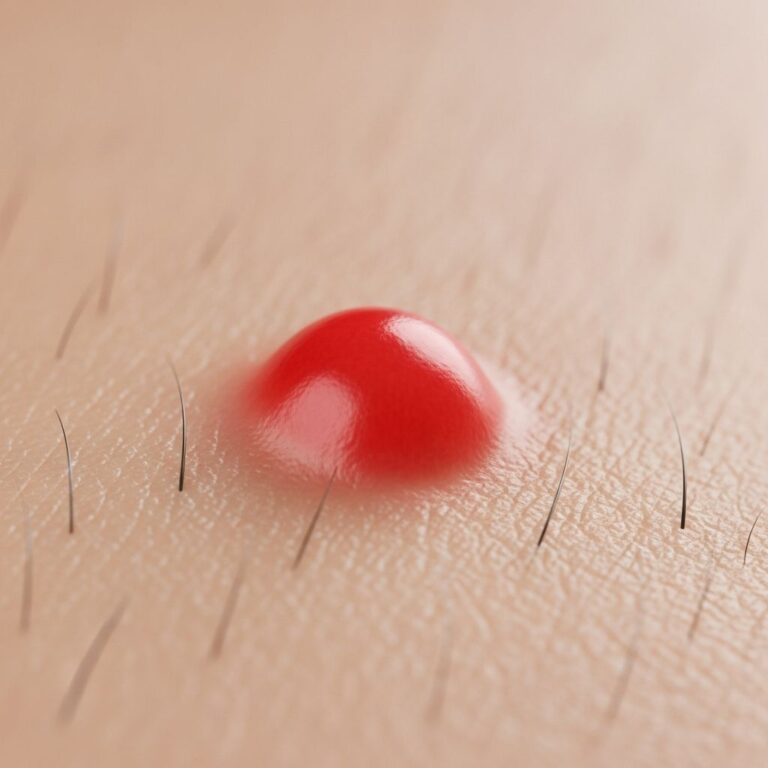
How To Get Rid Of Back Acne: Proven Treatments For 2025
Effective strategies to treat and prevent back acne, from topical remedies to professional interventions for clearer skin.
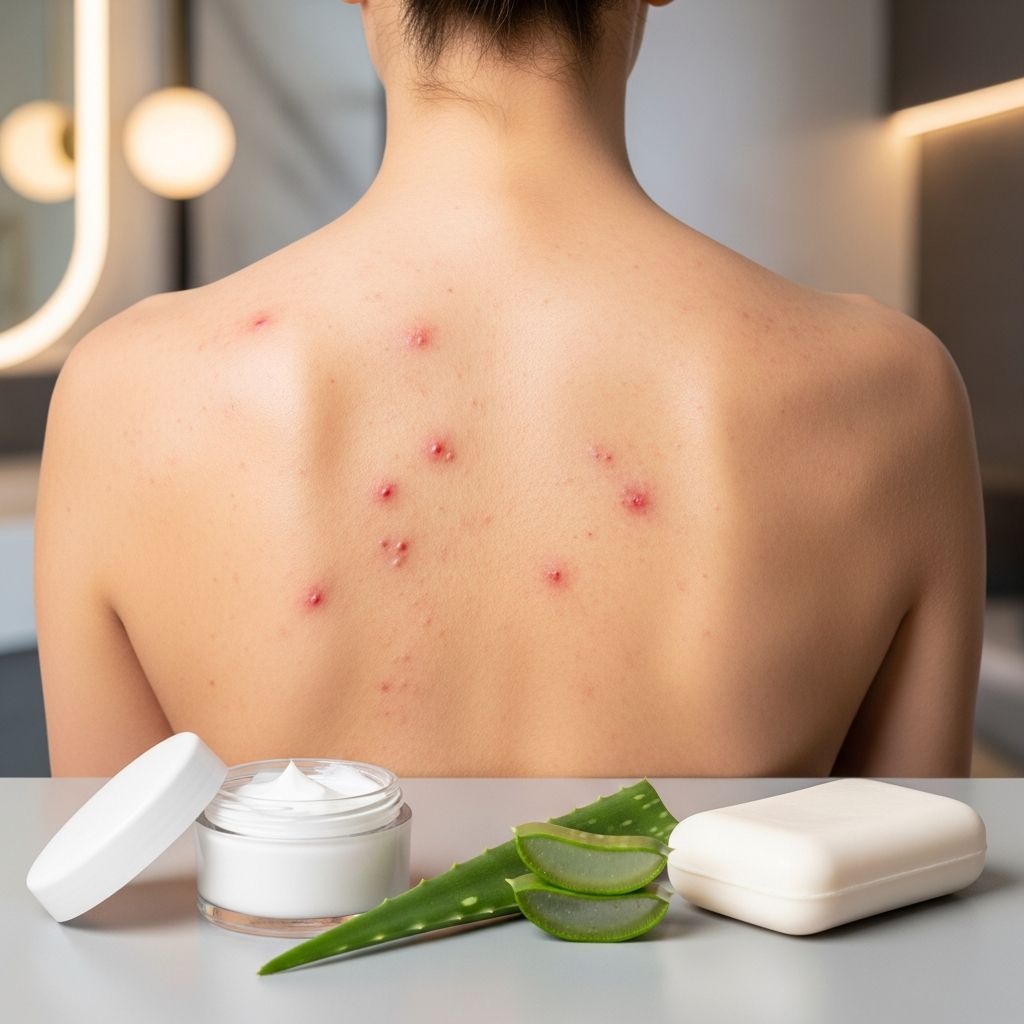
Back acne, commonly known as ‘bacne,’ affects many people and can be challenging to treat due to the area’s size and difficulty in application. Effective management involves a combination of lifestyle adjustments, topical therapies, prescription medications, and professional interventions.
What is back acne?
Back acne is a form of acne vulgaris occurring on the trunk, particularly the back, characterized by pimples, blackheads, whiteheads, cysts, and nodules. It arises from clogged pores due to excess oil (sebum), dead skin cells, and bacteria like Cutibacterium acnes. The back’s thicker skin and sweat glands make it prone to flare-ups, especially with friction from clothing or sweat. Factors like hormones, genetics, and friction exacerbate it, differing slightly from facial acne in treatment approach.
Who gets back acne?
Back acne commonly affects adolescents and young adults during puberty due to hormonal surges increasing sebum production. However, it persists into adulthood for many, particularly women influenced by menstrual cycles, pregnancy, or conditions like polycystic ovary syndrome (PCOS). Men may experience it from sweat and tight clothing during sports. Prevalence is high, with up to 50% of acne patients having truncal involvement.
Reducing friction and sweat
Minimizing irritation is key for back acne prevention. Wear loose-fitting, breathable cotton clothing to reduce friction and allow skin to breathe. Change out of sweaty clothes immediately after exercise or sweating, and shower promptly using a gentle cleanser. Opt for non-comedogenic body washes containing benzoyl peroxide to target bacteria. Avoid backpacks; use shoulder or handheld bags instead. These steps reduce moisture and occlusion that trap bacteria.
- Wear loose, breathable fabrics like cotton.
- Shower after sweating and change clothes.
- Use benzoyl peroxide washes, leaving on for 2-5 minutes for better penetration on thick back skin.
- Avoid heavy bags rubbing the back.
Topical treatments for back acne
Topical therapies are first-line for mild to moderate back acne, applied as creams, gels, lotions, or cleansers directly to affected areas. Consistency is crucial, with results visible in 4-6 weeks. For hard-to-reach spots, use a back lotion applicator or enlist help from others.
Key ingredients include:
- Benzoyl peroxide (2.5-10%): Kills bacteria, reduces inflammation; start with 5% to minimize irritation. Effective in wash-off forms for back use.
- Salicylic acid (0.5-2%): Exfoliates pores, removes dead skin; ideal for blackheads and whiteheads.
- Topical retinoids (adapalene 0.1%, tretinoin): Prevent clogs, promote cell turnover; combine with benzoyl peroxide for synergy.
- Azelaic acid (10-15%): Anti-inflammatory, antibacterial; penetrates well for truncal acne.
- Tea tree oil or alpha hydroxy acids: Natural exfoliants and antibacterials.
Choose non-comedogenic, oil-free products. Apply thinly once daily, building tolerance. Combine benzoyl peroxide with adapalene for optimal results.
Prescription topical treatments
For persistent cases, dermatologists prescribe stronger topicals. Retinoids like tretinoin or trifarotene unclog pores and reduce inflammation. Antibiotic creams (e.g., clindamycin) target bacteria but are combined with benzoyl peroxide to prevent resistance. Fixed-dose combinations of clindamycin, adapalene, and benzoyl peroxide offer high efficacy. Dapsone gel reduces inflammatory lesions. These require medical supervision due to potential irritation.
Systemic treatments for back acne
Widespread or severe back acne unresponsive to topicals may need oral medications. Oral antibiotics (e.g., doxycycline, minocycline) reduce bacteria and inflammation for 3 months maximum. Hormonal therapies like oral contraceptives or spironolactone benefit women with hormonal acne. Isotretinoin (Accutane) is reserved for severe, scarring cases, dramatically reducing sebum and achieving long-term remission but requires monitoring for side effects.
Related Stories



| Treatment Type | Best For | Examples | Duration |
|---|---|---|---|
| Antibiotics | Moderate inflammatory acne | Doxycycline, Minocycline | 3 months |
| Hormonal | Women with hormonal triggers | Spironolactone, OCPs | 6-12 months |
| Isotretinoin | Severe, scarring acne | Accutane | 4-6 months |
Professional dermatological procedures
In-office treatments accelerate clearing for moderate to severe back acne. Chemical peels (glycolic or TCA) exfoliate and unclog pores. Laser and light therapies (e.g., blue light) target bacteria and reduce oil glands. Corticosteroid injections shrink cysts rapidly. Drainage/extraction removes stubborn lesions. Photodynamic therapy combines light with photosensitizers for recalcitrant cases.
- Chemical peels: Improve texture, clear pores.
- Laser therapy: Reduces inflammation, bacteria.
- Microneedling: For scars, boosts collagen.
Treating back acne scars
Post-acne scars like icepick, boxcar, or hypertrophic types require targeted therapies. Laser resurfacing (CO2 or fractional) remodels skin and stimulates collagen. Microneedling with radiofrequency excels for rolling scars. Chemical peels smooth texture. These improve appearance but may need multiple sessions.
How long does it take to get rid of back acne?
Mild cases improve in 4-6 weeks with topicals; moderate may take 8-12 weeks. Severe acne with systemic treatments or procedures can require 3-6 months for clearance, with maintenance to prevent recurrence. Patience and adherence are essential.
What to avoid with back acne
Avoid picking or squeezing pimples to prevent scarring and infection. Skip oily lotions, heavy fabrics, and excessive scrubbing, which irritate skin. Limit dairy and high-glycemic foods if they trigger flares, though evidence varies. Harsh scrubs or unproven home remedies like toothpaste can worsen irritation.
- Do not pick or pop lesions.
- Avoid comedogenic products and tight clothing.
- Steer clear of excessive sun exposure without protection.
Back acne prevention tips
Prevent recurrence with daily gentle cleansing, non-comedogenic products, and prompt sweat management. Exfoliate 2-3 times weekly, moisturize lightly, and maintain a consistent skincare routine. Regular dermatologist check-ins help for prone individuals.
Frequently Asked Questions
What causes back acne?
Back acne results from clogged pores by sebum, dead cells, and bacteria, worsened by sweat, friction, hormones, and genetics.
Can back acne be treated with OTC products alone?
Yes, for mild cases; benzoyl peroxide and salicylic acid washes are effective starters.
How do I apply treatments to my back?
Use long-handled applicators or ask for help; leave washes on 2-5 minutes.
Is isotretinoin safe for back acne?
Effective for severe cases under medical supervision, with monitoring for side effects.
Will back acne scars fade?
They improve with lasers, peels, and microneedling; early treatment prevents them.
References
- Back Acne Treatment: Solutions That Work in 2025 — Beauty Vault Med Spa. 2025. https://beautyvaultmedspa.com/education/back-acne-treatment-science-backed-solutions-that-work-in-2025/
- How to get rid of back acne – DermNet — DermNet NZ. 2023. https://dermnetnz.org/topics/acne/how-to-get-rid-of-back-acne
- All You Need to Know About Back Acne — Dermatology Times. 2023. https://www.dermatologytimes.com/view/all-you-need-to-know-about-back-acne
- Acne management – DermNet — DermNet NZ. 2023. https://dermnetnz.org/topics/acne-treatment
- Acne – DermNet — DermNet NZ. 2023. https://dermnetnz.org/topics/acne
Similar Articles








Read full bio of medha deb