How To Get Rid Of Bad Breath: Practical Tips For Fresh Breath
Effective strategies to eliminate halitosis, from daily hygiene to treating underlying health issues for lasting fresh breath.
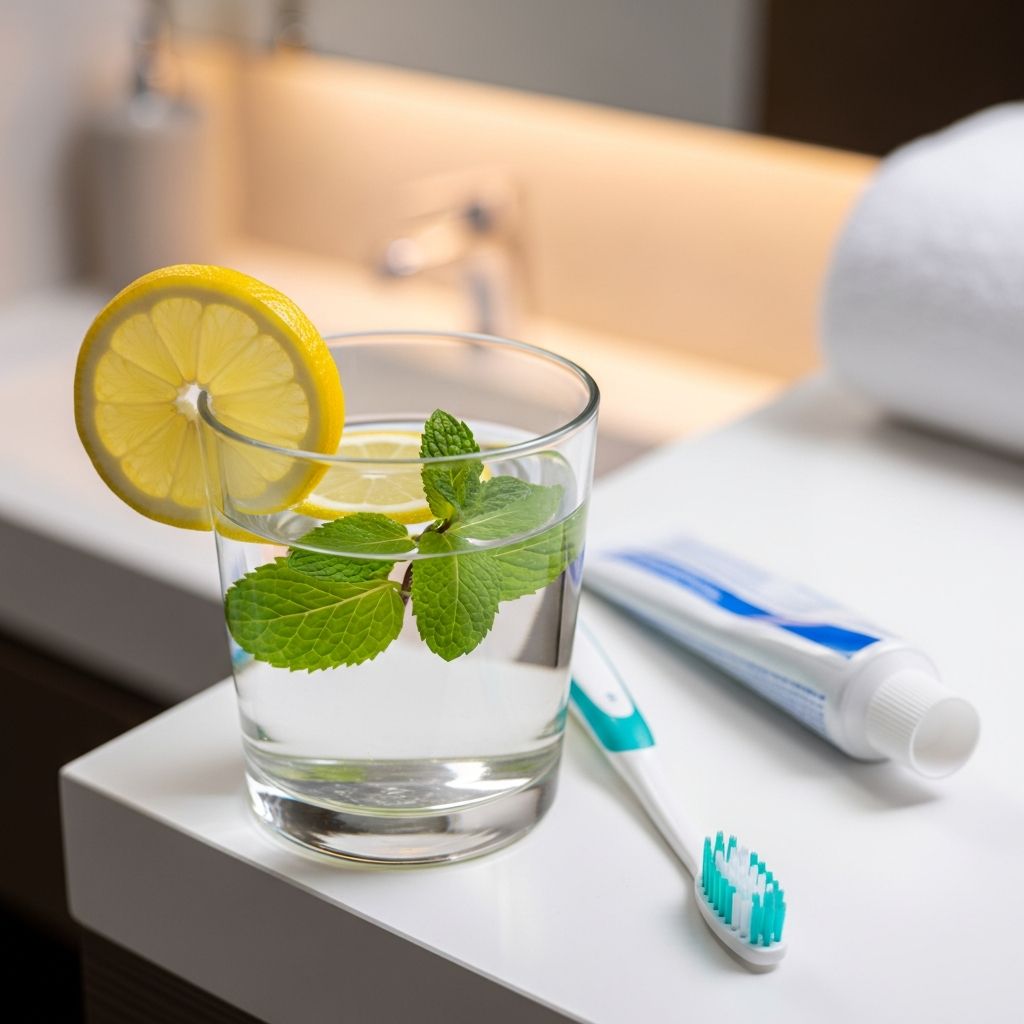
Bad breath, or halitosis, affects millions and often stems from oral bacteria, dry mouth, or underlying health issues. Addressing it involves consistent hygiene and targeted treatments.
What Causes Bad Breath?
Halitosis primarily results from bacteria in the mouth producing volatile sulfur compounds (VSCs) like hydrogen sulfide and methyl mercaptan, especially on the tongue and between teeth. Poor oral hygiene allows plaque buildup, leading to cavities, gum disease, and foul odors.
Dry mouth (xerostomia) is a key contributor, as saliva naturally cleanses the mouth and neutralizes bacteria. Reduced saliva flow lets odor-causing bacteria thrive, producing foul smells.
- Food and habits: Garlic, onions, and spices release sulfur compounds absorbed into the bloodstream and exhaled.
- Tobacco use: Smoking or chewing dries the mouth and stains teeth, worsening breath.
- Medical conditions: Acid reflux, sinus infections, diabetes, liver/kidney issues, or respiratory problems like pneumonia can cause persistent odors.
Extraoral causes account for 15-20% of cases, including tonsil stones or postnasal drip.
How to Tell If You Have Bad Breath
Self-detection is tricky; cupping your hand over your mouth may not reveal true odor. A bad taste often signals halitosis others notice. Lick your wrist, let it dry, and smell it for bacteria residue. Trusted feedback from others is reliable.
Home Remedies for Bad Breath
Quick fixes mask odors temporarily, but combine them with hygiene for best results.
- Chew sugar-free gum or mints: Stimulates saliva to wash away bacteria.
- Hydrate frequently: Water rinses debris and prevents dry mouth.
- Herbal aids: Parsley, mint, or fennel seeds neutralize odors naturally.
Avoid sugary products, as they feed bacteria.
Improve Your Oral Hygiene Routine
Daily habits prevent 80-85% of halitosis cases linked to the mouth.
- Brush twice daily: Use fluoride toothpaste for two minutes, covering all surfaces.
- Floss daily: Removes interdental food particles where bacteria hide.
- Tongue scraping: Bacteria accumulate on the tongue’s posterior; use a scraper or brush back 10-15 times.
- Mouthwash: Antimicrobial rinses kill bacteria; avoid alcohol-based ones that dry the mouth.
Replace brushes every 3 months. Professional cleanings every 6 months remove tartar.
Treat Dry Mouth
Dry mouth exacerbates halitosis by reducing saliva’s cleansing effect. Causes include medications, dehydration, or conditions like Sjögren’s syndrome.
- Sip water regularly: Keeps mouth moist.
- Use saliva substitutes: Over-the-counter sprays or gels mimic natural saliva.
- Chew gum: Xylitol-sweetened options boost saliva without sugar.
- Humidify air: Prevents overnight dryness.
Consult a doctor if medications cause it; alternatives may exist.
Lifestyle Changes to Prevent Bad Breath
Diet and habits play a major role.
| Do | Avoid |
|---|---|
| Crunchy fruits/veggies (apples, carrots) to scrub teeth naturally | Garlic, onions, coffee, alcohol |
| Quit smoking/tobacco | Sugary/acidic foods/drinks |
| Eat yogurt for probiotics | Dry mouth triggers like mouth breathing |
Related Stories



Probiotics reduce sulfur-producing bacteria. Stay hydrated and eat balanced meals.
Medical Treatments for Bad Breath
If hygiene fails, see a dentist. They check for gum disease, cavities, or infections. Treatments include:
- Deep cleanings: Scaling/root planing for periodontitis.
- Antibiotics: For bacterial infections.
- Tonsillectomy: If stones cause odors.
For systemic issues, primary care referral for GERD, diabetes, or sinusitis. Halitophobia, a psychological fear, may need counseling after ruling out physical causes.
When to See a Doctor for Bad Breath
Persistent halitosis despite hygiene warrants professional evaluation. Sudden changes or accompanying symptoms like pain, fever, or weight loss signal issues. Dentists use halimeters or gas chromatography for diagnosis.
Prevention Tips for Long-Term Fresh Breath
Maintain routines:
- Regular dental visits
- Balanced diet
- Hydration and saliva stimulation
- Avoid triggers
Monitor for dry mouth or new meds.
Frequently Asked Questions (FAQs)
Is bad breath always from poor hygiene?
No, while common, it can stem from dry mouth, diseases, or medications. See a pro if persistent.
Does mouthwash cure bad breath?
Antibacterial types help but don’t replace brushing/flossing. Alcohol-free preferred.
Can diet cause chronic bad breath?
Yes, pungent foods temporarily, but poor diet leads to decay. Probiotics aid.
How does dry mouth cause halitosis?
Less saliva allows bacteria to produce VSCs unchecked.
When is bad breath serious?
If ongoing post-hygiene or with health symptoms, it may indicate disease.
References
- Dry Mouth & Bad Breath: Causes, Symptoms, and Prevention — Listerine. Accessed 2026. https://www.listerine.com/bad-breath/causes-of-bad-breath/dry-mouth
- Halitosis (Bad Breath) — Cleveland Clinic. 2023-10-12. https://my.clevelandclinic.org/health/diseases/17771-bad-breath-halitosis
- How to Prevent Bad Breath: A Complete Treatment Guide — Bellingham Dentist. Accessed 2026. https://dentist-bellingham.com/how-to-prevent-bad-breath-a-complete-treatment-guide/
- Bad Breath — MedlinePlus (U.S. National Library of Medicine). 2024-05-15. https://medlineplus.gov/badbreath.html
- Halitosis — StatPearls (NCBI Bookshelf). 2023-07-17. https://www.ncbi.nlm.nih.gov/books/NBK534859/
Similar Articles








Read full bio of Sneha Tete